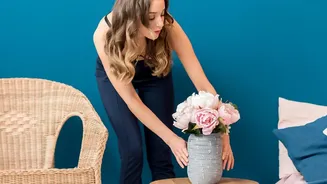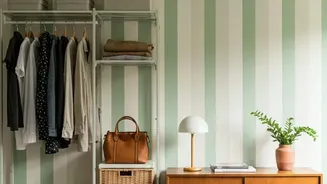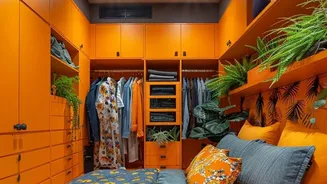




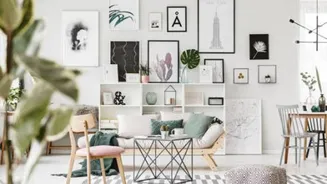
Feeling cramped in a small bedroom? You don't need a bigger budget, just a better plan. A complete refresh is possible without buying a single new item. It all comes down to thoughtful rearrangement and a willingness to see your space differently.
Start With a Clean Slate
Before
you move a single piece of furniture, the first step is always to declutter. A room can't reveal its potential if it's buried under things that don't belong. The fastest way to make a space feel calmer is to clear all surfaces: the floor, nightstands, and the top of your dresser. Sort items into three simple piles: keep, donate, and discard. Be honest about what you truly use and love. The goal isn't just to tidy up for an afternoon but to create a system that works for your actual habits. If clutter keeps returning to the same spot, like a chair piled with clothes, it's a sign that your current system has a flaw, not you. A clutter-free room is the true foundation for any successful layout change.
Rethink the Bed's Position
Your bed is the largest piece of furniture and the anchor of the room; its placement determines everything else. The most common mistake is assuming it only has one possible spot. Experiment with different layouts. Placing the bed against the wall farthest from the door can create a sense of depth and a clear path. While pushing a double bed into a corner can maximize floor space, be aware that it can make accessing it and making the bed more awkward. For square rooms, centering the bed on a wall can create a pleasing symmetry that makes the space feel more settled. Try moving the bed to a new wall for an afternoon—you might be surprised how it instantly changes the room's entire dynamic and flow.
Create Clear Pathways and Zones
A small room feels much larger when you can move through it easily. Once your bed is positioned, ensure you have clear, unobstructed walkways to the door, closet, and windows. This improves functionality and reduces visual clutter. Don't fall into the trap of pushing all your furniture against the walls; sometimes 'floating' a dresser or desk slightly can improve traffic flow. Think about creating distinct zones for different activities, even if they are small. You can define a sleeping zone, a dressing area near your wardrobe, and perhaps a small reading corner. This sense of order and purpose makes the room feel more intentional and less like a single, cramped space.
Use Light and Mirrors Strategically
Light is one of the most powerful tools for making a room feel open and airy. If you have a mirror, don't let it be an afterthought. The best place for a mirror is often opposite or adjacent to a window, where it can capture natural light and reflect it back into the room, creating an illusion of depth. One large mirror generally works better than a collection of smaller ones, which can feel cluttered. Also, assess your lighting. A single overhead bulb can make a room feel flat. Try rearranging your existing lamps. Moving a lamp from a crowded bedside table to a dresser or using a floor lamp to brighten a dark corner can add layers of light, making the entire room feel warmer and more expansive.
Go Vertical with Existing Storage
When floor space is limited, the only way to go is up. Look at your existing shelves and storage units with fresh eyes. Can that bookcase be used more efficiently? Can items currently on the floor be moved onto a wall shelf? You can also maximize the space you already have inside closets and drawers. Consider adding a second hanging rail in your wardrobe if there's room, or use boxes you already own to stack items on the top shelf. The goal is to draw the eye upward, which creates a sense of height and makes the floor feel more open. Even the back of your bedroom door can serve as vertical storage with the addition of simple, repositioned hooks for bags or robes.
'Shop' Your Own Home
The perfect item to complete your newly arranged room might already be in your home. Before you even think about buying something, take a walk through your other rooms. That small side table in the living room might make a better, slimmer nightstand. An unused basket could be perfect for holding magazines or extra blankets. A lamp from another room could provide the softer light your bedroom needs. Swapping artwork, cushions, or even a rug from one room to another can introduce a new colour or texture that refreshes the space at no cost. This approach forces creativity and ensures every piece in your home is being used to its full potential.