

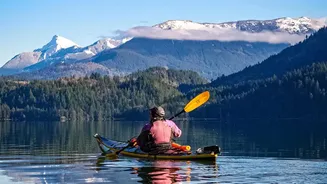
A Classroom of Crystal-Clear Water
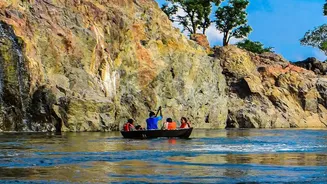
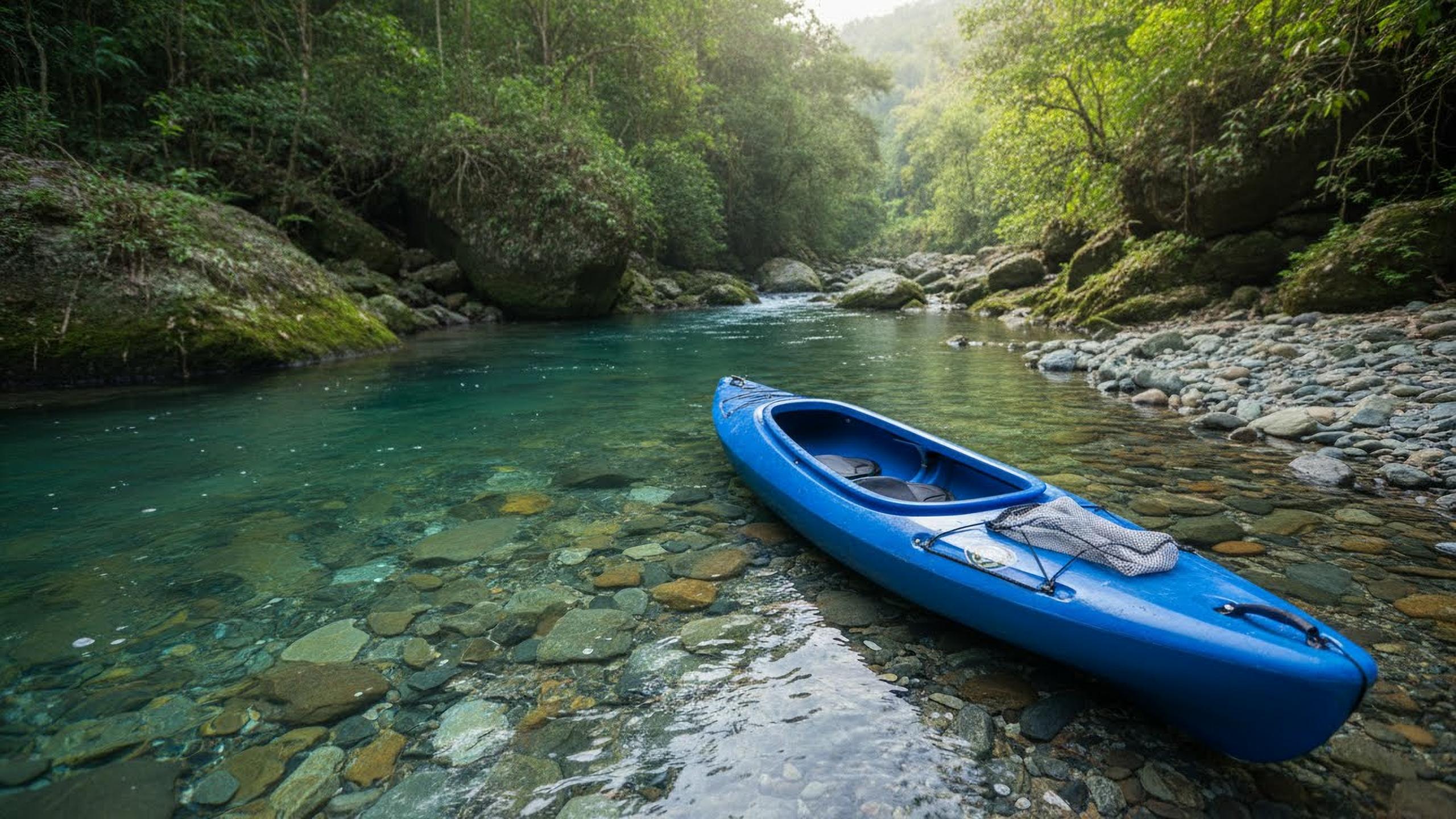
In the villages of Shnongpdeng and Dawki, nestled in the West Jaintia Hills, the Umngot River offers an experience that has become legendary on social media: boats that appear to float in mid-air. The water’s unbelievable transparency is the main draw
for thousands of travellers who come to kayak, swim, and simply marvel at its purity. But beyond the perfect photo opportunity, these kayaking trips serve as a powerful, immersive introduction to what a truly healthy river ecosystem looks like. For many visitors accustomed to the murky waters of urban rivers, the ability to see fish darting between boulders metres below is a revelation. This isn't a lecture in a stuffy room; the river itself is the lesson, and its pristine condition is the core of the curriculum.
Learning from Local Guardians
The guides leading these kayaking tours are not just adventure sport operators; they are local villagers and members of the Khasi community who have become the frontline guardians of this fragile environment. Their knowledge isn't from a textbook. They share stories of the river, point out native birds and fish, and explain the delicate balance that keeps the water so clear. This model of community-based tourism empowers local residents by creating sustainable livelihoods directly linked to the health of the ecosystem. When travelers hire a local guide or stay in a village homestay, their money provides a direct economic incentive for conservation. The educational exchange is a two-way street: visitors learn about the local culture and ecology, while the community gains the resources and reinforcement needed to continue their stewardship.
A Fragile Paradise Under Pressure
The stunning clarity of the Umngot River stands in stark contrast to the growing environmental challenges facing other waterways in Meghalaya. Rivers near urban centres like Shillong, such as the Umkhrah and Umshyrpi, are heavily polluted with untreated sewage and solid waste, rendering their water unsafe. Reports show that rapid, unregulated urbanisation and activities like mining have severely degraded many of the state's water bodies. Even the celebrated Umngot has faced threats, including a proposed hydroelectric dam project that was met with fierce opposition from local villages who feared it would destroy the river and their tourism-based livelihoods. This context is crucial; it transforms a beautiful kayaking trip into an urgent reminder of what is at stake and why preservation efforts are so vital.
Paddling with Purpose
What makes these outings 'eco-friendly' is a philosophy that goes deeper than simply asking tourists not to litter. Responsible operators and local communities champion principles that minimise environmental impact while maximising local benefit. This includes managing waste with bamboo bins, promoting stays in family-run guesthouses, and ensuring that the economic benefits of tourism are distributed within the community. For the traveler, this means their trip contributes positively. Instead of overwhelming local infrastructure, this form of low-impact tourism supports it. The experience encourages a shift in mindset, from being a passive consumer of a beautiful view to an active participant in its protection. It’s about choosing an adventure that leaves the place, and the visitor, better than before.