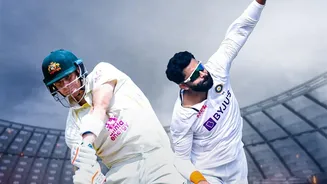





In the heated history of India-Australia cricket, few moments are as infamous as the 'Monkeygate' scandal. It was more than a slanging match; it was an international incident that transcended sport and became a test of power, culture, and diplomacy.
A Rivalry at Boiling Point
The
2008 Sydney Test was the second match of a fiercely contested Border-Gavaskar Trophy. Australia, the dominant force in world cricket, had won the first Test convincingly. The mood was already tense, soured by a series of contentious umpiring decisions that largely favoured the home side. India felt robbed, particularly after Andrew Symonds, who went on to score 162, was given not out on 30 after clearly edging the ball. This backdrop of poor officiating and aggressive on-field conduct set the stage for an explosion. It was a pressure-cooker environment where the intense rivalry was about to boil over into one of cricket's most damaging episodes.
The Flashpoint: Who Said What?
On the third day of the Test, with India batting, Harbhajan Singh and Andrew Symonds exchanged words. The Australian team, led by captain Ricky Ponting, alleged that Harbhajan had called Symonds, who is of West Indian descent, a 'monkey'. Harbhajan vehemently denied this. His defence was that he had used a common North Indian slang phrase, 'teri maa ki', which can be misheard as 'monkey' in a noisy stadium, especially by non-Hindi speakers. Sachin Tendulkar, who was batting at the other end, was the closest player to the exchange. The incident was immediately reported to umpires Mark Benson and Steve Bucknor, setting in motion a formal complaint.
The Verdict and a Tour in Jeopardy
Following the match, which Australia won in the final moments, match referee Mike Procter conducted a hearing. Based on the testimony of the Australian players, he found Harbhajan guilty of a Level 3 racial abuse offence and handed him a three-match ban. The Indian camp was furious. The Board of Control for Cricket in India (BCCI) described the allegation as a 'blatantly false and unfair slur' and announced it would appeal the decision. More dramatically, the BCCI threatened to suspend the tour and recall the team, escalating a cricket dispute into a full-blown diplomatic crisis. The honour of the team and the nation was at stake, the board declared.
An Appeal That Changed Everything
The BCCI's power play worked. An appeals commissioner, New Zealand High Court judge John Hansen, was appointed to rehear the case. This time, the proceedings were different. Sachin Tendulkar's testimony proved pivotal. He stated that he had heard a heated exchange but maintained Harbhajan had used the Hindi phrase, not a racial slur. With no conclusive audio evidence from the stump microphones and a direct contradiction to the Australian players' account, the case for racial abuse weakened. Judge Hansen ultimately downgraded the charge from racial abuse to the lesser offence of using abusive language. The threendatch ban was lifted, and Harbhajan was instead fined 50% of his match fee. The tour continued.
An Uneasy Truce and Lasting Legacy
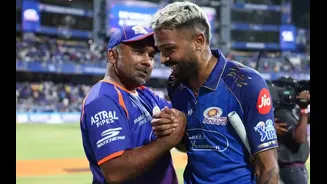
While the series was saved, relationships were shattered. Ricky Ponting later called the scandal the lowest point of his captaincy, feeling he lost control of the situation. For Andrew Symonds, the toll was immense; he later admitted that the fallout from the incident contributed to a downward spiral in his life and career, as he felt let down by the process. The scandal is widely seen as a watershed moment, demonstrating the BCCI's immense financial and political influence in world cricket. It highlighted deep cultural divides and the complexities of policing on-field language. In a strange twist of fate, Harbhajan and Symonds would later become teammates for the Mumbai Indians in the Indian Premier League, forcing an unlikely reconciliation after years of animosity.