


More Than Just Fabric
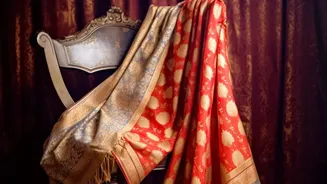
In many Indian households, old sarees are never just discarded fabric; they are vessels of memory and emotion. A mother's Kanjeevaram worn at a wedding, a grandmother's Benarasi saved for special occasions—these textiles are intertwined with family history.
Upcycling these heirlooms is an act of preservation. It honours the past by giving these stories a new form, transforming a garment once tucked away in a trunk into a vibrant part of daily life and festive celebrations. This practice isn't merely about recycling; it’s about weaving personal history into the very fabric of your home.
A Symphony of Silk and Zari
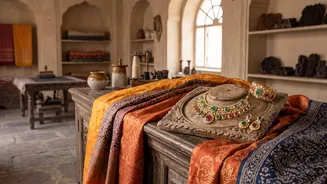
The magic of repurposing sarees lies in the sheer variety of textures and artistry available. Imagine a cushion cover that combines the opulent gold brocade of a Benarasi pallu with the raw texture of tussar silk. Designers and homeowners are turning these fragments into textile mosaics. A single drape could feature panels from a printed chiffon, a rich silk with a zari border, and a colourful Bandhani. The intricate weaves, traditional motifs like paisleys and florals, and the deep jewel tones of these fabrics create decor pieces that are impossible to replicate. Each cushion cover or curtain becomes a unique canvas, showcasing the diversity of India's rich textile traditions.
The Sustainable Celebration
In an era of fast furniture and disposable decor, choosing upcycled textiles is a powerful statement. It's a conscious decision to move away from mass production and reduce waste. By giving a second life to fabrics that already exist, this trend champions a circular economy, respecting the immense resources and labour that went into creating the original saree. It aligns with a growing desire for a more mindful and eco-conscious lifestyle, proving that festive decorating can be both beautiful and responsible. This approach not only reduces landfill waste but also celebrates the longevity and durability of handcrafted textiles.
From Heirloom to Home
The creative possibilities are endless. The heavily decorated pallu of a silk saree, often the most ornate part, can be framed as wall art or become the front panel of a statement cushion. The long, elegant borders are perfect for fashioning into table runners or trimming the edges of curtains. Softer cotton or georgette sarees can be layered to create lightweight, colourful drapes that filter sunlight beautifully. This allows for a thoughtful use of every part of the fabric, ensuring even damaged or worn sections can be salvaged for smaller projects like patchwork or decorative trims.
A Personal Touch for the Festive Season
Festivals are about storytelling and togetherness, and what better way to enhance that atmosphere than with decor that tells a story? A set of cushion covers made from your mother's wedding saree adds a layer of meaning to your Diwali celebrations that no store-bought item ever could. It becomes a conversation starter, a tangible link to family heritage that connects generations. As guests gather, these unique textiles do more than just beautify a space; they fill it with warmth, history, and a profound sense of identity, making the festive season feel even more personal and memorable.