



Understanding the American Monsoon
When you hear “monsoon,” you might picture Southeast Asia. But North America has its own distinct monsoon season, primarily affecting the desert Southwest. From early July through mid-September, a shift in wind patterns pulls moist, tropical air from
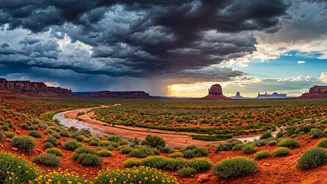
the Pacific Ocean and Gulf of Mexico into Arizona, New Mexico, Utah, and Colorado. The result? A spectacular daily cycle of afternoon thunderstorms, dramatic lightning shows, and a desert landscape transformed. Mornings are often clear and calm, but as the day heats up, massive clouds build into thunderheads, unleashing brief but intense downpours. The air cools, the dust settles, and the landscape smells of wet creosote and earth—a scent so beloved it has its own name, 'petrichor.' This isn’t a season to avoid; it’s one to embrace.
Where to Find the Most Dramatic Skies
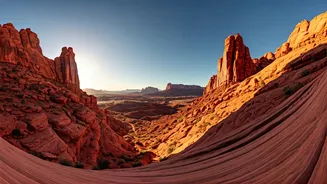
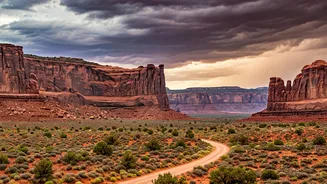
The key is choosing locations where you can safely appreciate the weather's power from a good vantage point. Southern Arizona is a prime target. In Saguaro National Park near Tucson, the iconic cacti are silhouetted against bruised-purple skies in some of the most striking photo opportunities imaginable. The area around Sedona offers dramatic views of storms breaking over the red rock formations. In New Mexico, areas like Santa Fe and Taos provide a perfect mix of cultural activities for the sunny mornings and stunning balcony views for the afternoon storms. For a more rugged adventure, consider the high-elevation plateaus of Utah's Capitol Reef National Park, where you can watch storms roll across the immense landscape from a safe distance. The key is to stay out of low-lying areas and narrow canyons and instead seek expansive vistas.
The Undeniable Crowd-Free Advantage
Summer is typically peak season in the national parks, but the monsoon period exists in a sweet spot. The intense heat of June has often broken, but the perception of “bad weather” keeps many tourists away. This is your advantage. You’ll find more availability in lodges, fewer people on popular trails (especially if you go early in the day), and a general sense of tranquility that’s impossible to find in July at the Grand Canyon’s South Rim. Popular trailheads have parking, scenic viewpoints are serene rather than swarmed, and you can experience a more personal connection with the landscape. This is the Southwest as few get to see it: quiet, contemplative, and pulsing with energy.
Essential Monsoon Packing List
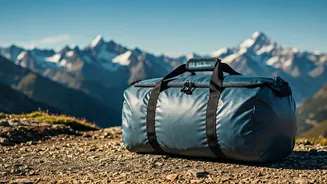
Packing for the monsoon is about versatility. Forget heavy-duty winter gear; think smart layers and quick-drying materials. Your essentials should include a high-quality, lightweight, and breathable rain jacket—not a cheap poncho. Pack non-cotton hiking clothes (synthetics or merino wool) that dry quickly and won’t chafe when damp. Footwear is critical: bring waterproof hiking boots with excellent grip for slick rock and wet trails. A second pair of shoes for evenings is a must. Also, consider bringing a waterproof cover for your backpack and camera. And don't forget the sun essentials for the clear mornings: a wide-brimmed hat, sunglasses, and sunscreen are still non-negotiable.
Safety First: Respect the Power of Water
The beauty of the monsoon comes with real, unavoidable hazards, primarily flash floods and lightning. Never, under any circumstances, enter a narrow slot canyon if there is any chance of rain in the forecast, even miles away. A storm far upstream can send a wall of water rushing through a canyon with no warning. Always check the latest National Weather Service forecast before any activity. If you're hiking and see dark clouds gathering, turn back and seek lower ground away from washes and arroyos. Avoid high ridges and isolated trees during a storm to minimize lightning risk. The rule is simple: when thunder roars, go indoors. Your car is a safe place to wait out a storm. Responsible monsoon travel means planning your adventures for the morning and being prepared to call it a day when the weather turns.