






Jharkhand's New Monsoon Darling: Sevati Valley
Deep within the Kasmar block, approximately 50 kilometres from Bokaro's district headquarters, lies the Sevati Valley. For years, it was a hidden gem, known mostly to locals. However, this monsoon season has seen its popularity surge, turning it into
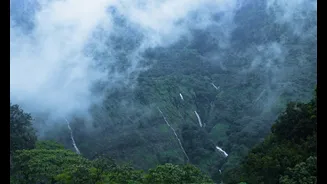
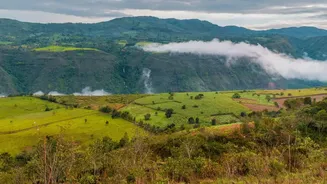
a budding destination for nature enthusiasts and weekend road-trippers. Located along the border between Jharkhand and West Bengal, the valley's appeal lies in its dramatic seasonal transformation. Days of consistent rain have revived its landscape, creating a lush, green canvas that feels a world away from the urban grid.
The Magic of the Monsoon
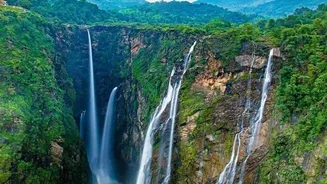
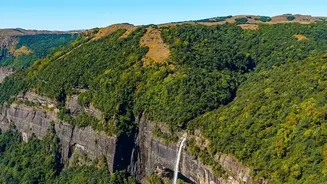
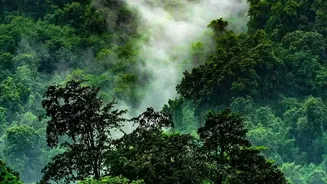
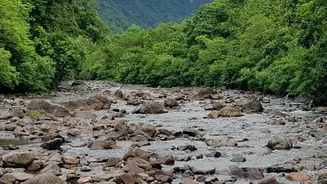
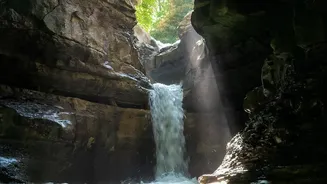
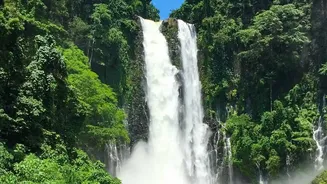
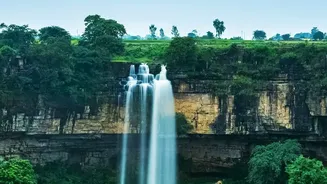
The primary draw of Sevati Valley during the monsoon is its magnificent waterfall. What might be a trickle in drier months becomes a powerful, gushing cascade that cuts through the verdant hills. The sight of this white torrent against the dense, dark green foliage is so captivating that it has become a popular spot for motorists to pull over and soak in the view. The air is thick with mist, clouds often embrace the hilltops, and numerous small streams crisscross the landscape, enhancing the region's raw, natural beauty. According to recent visitors, the rainfall this year has made the scenery particularly spectacular, turning the valley into a picture-perfect backdrop.
More Than Just a Photo-Op
While the valley provides ample opportunities for stunning photographs, its significance runs deeper. The area is part of a larger, culturally rich region. Not far from Kasmar is the Gomia block, home to Lugu Buru, a sacred hill and pilgrimage site for the Santhal community. Lugu Buru, considered a place of immense spiritual importance, is also celebrated for its natural splendour, with hills, forests, and waterfalls that attract trekkers and faithful alike. The emergence of Sevati Valley on the tourist map adds another layer to the region's appeal, blending natural wonder with deep-rooted cultural heritage.
A Call for Responsible Tourism
The newfound attention on Sevati Valley has brought with it a familiar challenge: the need for sustainable infrastructure. Local leaders and residents have voiced the need for basic amenities to manage the influx of tourists. Calls for proper seating areas, clear signboards, sanitation facilities, and enhanced safety measures are growing louder. While the valley is listed on the state's tourism map, the on-ground facilities remain inadequate. The hope is that developing this infrastructure will not only improve the visitor experience but also create livelihood opportunities for the local communities, ensuring that the valley's charm is preserved for years to come. For visitors, this means practising responsible tourism: carrying out what you bring in, respecting the natural environment, and being mindful of the local culture.
Planning Your Visit
Sevati Valley is best reached by road from Bokaro, a journey of about 50 kilometres that offers scenic views of the Chota Nagpur Plateau's countryside. The drive itself is part of the experience, with winding roads and glimpses of rural life. Given the monsoon conditions, it is advisable to travel in a safe, reliable vehicle. Wear sturdy footwear with good grip, as paths can be slippery. Carry rain gear and a change of clothes. Since facilities are minimal, it's wise to pack your own water and snacks. The best time to witness the valley in its full glory is during the peak monsoon months, from July to September, when the waterfalls are at their most powerful and the landscape is at its greenest.