








The Full-Body Workout: A Tale of Two Systems
At a glance, both dancing and rowing provide a full-body workout, but they do so in remarkably different ways. Rowing is a model of efficiency, engaging an impressive 86% of your muscles with every stroke. The movement is a coordinated sequence: the legs
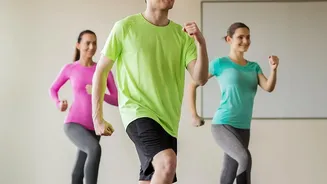
drive, the core stabilizes and transfers power, and the arms and back finish the pull. This makes it exceptional for building functional strength in the posterior chain—your glutes, hamstrings, and back muscles—which are often underworked in modern life. Dancing, on the other hand, engages muscles in a less predictable, more dynamic way. Depending on the style—be it ballet, hip-hop, or salsa—you'll constantly challenge your core for stability, your legs for power in jumps and quick steps, and your hips for rotational movements. While a gym workout often isolates muscles, dance forces them to work together, enhancing coordination, balance, and agility.
Cardio and Calorie Burn: Intensity vs. Expression
When it comes to cardiovascular health, both activities get your heart pumping. The question of which burns more calories is complex. Some research suggests that high-energy dance styles like swing or street dance can burn more calories than steady-state running or cycling. However, other analyses show that vigorous running generally outpaces the caloric burn of general dancing. The key difference lies in the nature of the intensity. Rowing allows you to dial up the intensity for a high-impact cardio session within a low-impact-on-the-joints framework, making it a powerful and joint-friendly tool. You can achieve a very high heart rate efficiently. Dancing’s caloric burn is more variable, tied to the style, choreography, and your personal energy. What it may lack in predictable intensity, it often makes up for in pure enjoyment, which studies show is a key factor in long-term consistency.
Mind and Mood: Cognitive Challenge vs. Rhythmic Focus
Exercise is as much for the mind as it is for the body. Here, dancing truly shines with its significant cognitive benefits. The process of learning steps, remembering choreography, and coordinating movements with music is a powerful workout for the brain. Studies have shown that this can improve memory, boost mental agility, and even delay cognitive decline. The creative and expressive elements of dance also offer a potent emotional release, reducing stress and improving mood. Rowing offers a more meditative mental experience. The repetitive, rhythmic nature of the stroke allows for a focused, almost hypnotic state. It’s an opportunity to tune out distractions and focus on your body's power and breathing. While it may not challenge your brain with new sequences like dance, this focused solo effort can be a powerful tool for clearing your head and managing stress in its own right.
The Social Scene: Community vs. Solitude
Your preferred social environment is a major factor in choosing an activity. Dance is inherently social. Whether you're in a ballroom class, a hip-hop crew, or a salsa club, you're interacting with others. This sense of community provides accountability, motivation, and a support network, which are strong predictors of long-term adherence to a fitness routine. Group classes offer built-in structure and guidance from an instructor. Rowing, conversely, is often a solo pursuit, especially when using a machine at home or in a gym. This provides ultimate flexibility; you can work out whenever you want without coordinating with others. For those who find exercise to be a time for introspection and personal focus, the solitude of rowing is a significant advantage. It allows you to progress at your own pace without comparison or distraction.
Accessibility and Impact: Getting Started
Both activities are quite accessible, but with different considerations. Rowing is celebrated as a low-impact exercise, meaning it's easy on the joints. This makes it an excellent choice for people with joint sensitivities, those recovering from certain injuries, or anyone looking for a high-intensity workout without the pounding of activities like running. A quality rowing machine can be an upfront investment, but it provides a complete workout solution at home. Dance can be high-impact or low-impact depending on the style. A high-energy hip-hop class will involve more jumping than a smooth ballroom routine. One of the greatest things about dance is that it requires minimal equipment to start—just some space and music. Countless online tutorials and local studios offer entry points for every budget and fitness level.