





Start with the Right Onion
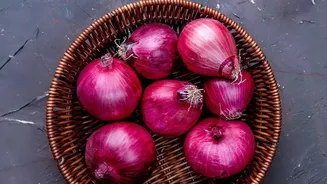
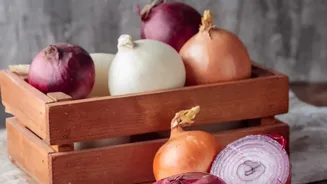
Not all onions are created equal when it comes to shelf life. Your success starts at the grocery store. For long-term storage, choose pungent, dry-cured onions like the common yellow, red, or white varieties. Yellow onions, with their thick, papery skins
and high sulfur content, are the champions of longevity, often lasting for months under proper conditions. Sweeter, high-moisture onions like Vidalia or other 'fresh' varieties have a much shorter shelf life and should be used within a few weeks. When selecting, inspect each onion. It should be firm all over, with a dry, papery outer skin and no signs of soft spots, mold, or sprouting. A heavy, dense onion is a good sign.
The Golden Rules: Cool, Dark, and Dry
Onions have three main enemies: light, moisture, and poor air circulation. To combat them, find a storage spot that is cool, dark, and dry. Ideal temperatures are between 32 and 45 degrees Fahrenheit (around 0-7°C), but a cool room temperature away from heat sources will suffice. Good locations include a cellar, pantry, or an unheated garage. Light can cause onions to think it's time to grow, leading to sprouting and bitterness, so a dark corner is essential. Most importantly, the environment must be dry with good airflow to prevent moisture buildup, which is the primary cause of rot and mold.
Your Container Matters
The plastic bag your onions came in is their worst enemy. Plastic traps moisture and prevents air circulation, creating a perfect breeding ground for mold and rot. Immediately transfer your bulk onions to a container that breathes. Mesh bags, wire baskets, or even an old pair of clean pantyhose work wonderfully, allowing air to move freely around each onion. If using a crate or box, ensure it has ventilation holes. Spread the onions out in a single layer if possible, rather than piling them deep, to maximize airflow and make it easy to spot any that are starting to spoil.
The #1 Storage Mistake: Potatoes
It's a common kitchen practice to store root vegetables together, but keeping onions and potatoes as neighbors is a recipe for disaster. Onions release ethylene gas, a natural ripening agent that causes potatoes to sprout prematurely. In turn, potatoes release a significant amount of moisture, which is absorbed by the onions, causing them to turn soft, slimy, and moldy. For the longest shelf life of both, store them in separate locations, even if it's just on opposite sides of the pantry. A few feet of separation in a well-ventilated area can make a huge difference.
When to Use the Refrigerator
While whole, unpeeled onions should be kept out of the fridge, the rules change once they're cut. The cold, humid environment of a refrigerator will make whole onions mushy and can cause them to sprout. However, once an onion is peeled, sliced, or diced, it must be refrigerated in an airtight container. This prevents contamination and slows down spoilage. A cut onion will last for about 7 to 10 days in the fridge. If you have green onions or scallions, they are the exception to the rule and should always be stored in the refrigerator's crisper drawer.
Check In and Use Up
Make a habit of regularly checking on your stored onions. Gently squeeze them to check for any soft spots. Look for any signs of dark patches, mold, or green sprouts. If you find an onion that is starting to turn, remove it immediately to prevent it from affecting the others. A single bad onion can quickly spoil the whole bunch. If an onion has started to sprout but is still firm, it is safe to eat. The sprout itself can be bitter, so you may want to remove it, but the rest of the onion is fine to use in cooked dishes.