






What are Lotus Stem Chips?
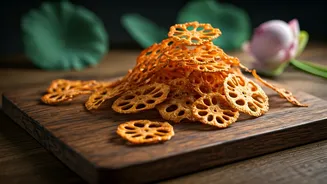
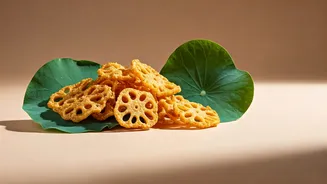
Known in India as *kamal kakdi*, the lotus stem (or more accurately, rhizome) is an aquatic vegetable celebrated for its beautiful pinwheel pattern and delightful crunch. [9] For centuries, it has been a staple in various Asian cuisines, from curries
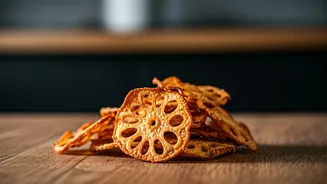
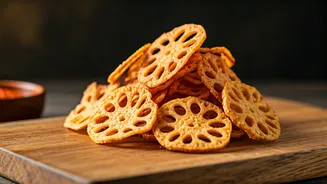
in Kashmir to pickles across the country. [2, 3] When sliced thinly and baked, this humble vegetable transforms into a chip that is not only visually stunning but also incredibly satisfying. Unlike deep-fried snacks, these baked chips offer a lighter, yet deeply gratifying, crunch with a subtly sweet and nutty flavour. [8, 9]
A Healthier Snacking Choice
The primary reason to make the switch is health. Lotus stem is naturally low in calories and cholesterol while being packed with beneficial nutrients. [21, 22] It's an excellent source of dietary fibre, which aids digestion and promotes a feeling of fullness, helping to curb overeating. [1, 4] It is also rich in Vitamin C, which boosts immunity, and minerals like potassium, which helps regulate blood pressure. [2, 7] A 100-gram serving of boiled lotus stem contains about 74 calories, making it a much lighter option compared to its oily potato counterpart. [1] By baking instead of frying, you further reduce the fat content, making it a truly smart snack.
The Taste and Texture Experience
But is it as satisfying as a potato wafer? Many would argue it's even better. The texture of a baked lotus stem chip is remarkably crisp and airy, thanks to its natural channels. [12] The flavour is unique—it's mildly sweet and nutty, with an earthy undertone that is more complex than a simple salted potato. [9] Some compare its raw texture to a water chestnut and its cooked flavour to a potato, but it truly has a character all its own. [8] It also holds seasonings exceptionally well, making it a versatile canvas for your favourite spices, from a simple sprinkle of sea salt to a zesty chaat masala. [15]
How to Bake Your Own Crispy Lotus Stem Chips
Making these chips at home is surprisingly simple. **Ingredients:** * 2 fresh lotus stems (*kamal kakdi*) * 1 tablespoon olive oil or other vegetable oil * Salt to taste * Spices of your choice (e.g., red chilli powder, amchoor, chaat masala, black pepper) [14] **Instructions:** 1. **Prep the Stem:** Wash the lotus stems thoroughly. Use a vegetable peeler to remove the outer skin. Cut off the ends and slice the stem into very thin, uniform rounds. A mandoline slicer works best for this. [11] 2. **Clean and Dry:** Rinse the slices to remove any dirt from the channels and soak them in water with a little vinegar or lemon juice to prevent browning. [8, 13] Pat the slices completely dry with a clean cloth or paper towels; this is crucial for achieving crispiness. [15] 3. **Season:** In a bowl, toss the dry slices with olive oil, salt, and your chosen spices until they are evenly coated. [13] 4. **Bake:** Arrange the slices in a single layer on a baking sheet lined with parchment paper. Do not overcrowd the pan. [16] Bake in a preheated oven at 180-200°C (350-400°F) for 15-25 minutes, flipping them halfway through. [11, 12] Keep a close eye on them, as they can go from golden to burnt quickly. 5. **Cool and Serve:** The chips will continue to crisp up as they cool. [11] Let them cool completely before storing them in an airtight container.
Tips for Perfect Chips Every Time
To ensure maximum crunch and flavour, remember a few key things. First, slice the lotus stem as thinly and uniformly as possible. Inconsistent thickness leads to uneven baking. Second, drying the slices thoroughly before seasoning cannot be overstated—moisture is the enemy of crispiness. Finally, don't be afraid to experiment with seasonings. Smoked paprika, garlic powder, or a sprinkle of coriander powder can add exciting new dimensions to your homemade chips. For a different texture, some recipes suggest a light dusting of cornflour before frying or baking. [19]