







What is the Big Change for Indian Tourists?
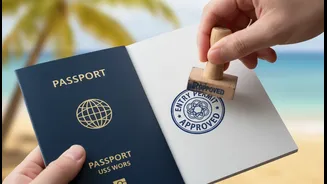
The main update is straightforward: Thailand has adjusted the visa-free stay period for Indian passport holders. After some back and forth, the Thai cabinet has confirmed that Indian tourists can enter without a visa, but the maximum stay is now 30 days.
Previously, a more generous 60-day visa-free stay was in place. This change is part of a broader overhaul of Thailand's visa policies, aimed at balancing tourism growth with national security. For the average Indian tourist planning a two-week vacation to Phuket or Bangkok, this change has very little practical impact, as your trip falls well within the 30-day limit.
So, Is Visa-Free Travel for Indians Gone?
Not at all. This is the most important point to clear up: visa-free entry for Indian citizens remains in place. A proposal in May 2026 caused widespread confusion by suggesting an end to the visa-free scheme, which led to a noticeable drop in bookings from India. Realising the importance of the Indian market—the third largest for Thai tourism—the government quickly clarified its position. The new rule confirms that Indian passport holders do not need to apply for a visa beforehand for short trips. The only change is the duration of that visa-free stay, which has been reset from 60 days back to 30 days.
Why Did Thailand Make This Change?
The Thai government's decision stems from a desire to streamline its immigration system and curb misuse. The extended 60-day visa-free period, introduced to boost post-pandemic tourism, was reportedly being exploited by some foreigners for activities other than tourism, such as working illegally or staying long-term by doing 'border runs'. Officials have stated the goal is to create a more standardized system under a "one country, one entitlement" principle, while preventing transnational crime. By reverting to a 30-day stay, which they believe is adequate for genuine tourists, authorities hope to better manage who enters and stays in the country.
What If You Want to Stay Longer Than 30 Days?
If your travel plans involve a stay longer than 30 days, you still have options, but you'll need to plan ahead. The new rule primarily affects long-stay travellers, not short-term holidaymakers. One common option is to get your 30-day visa-exempt stay extended by an additional 30 days at a local Thai immigration office. This typically involves an application and a fee of 1,900 Baht, but the decision is at the discretion of the immigration officer. Alternatively, for those who know from the outset that they need more time, applying for a proper 60-day Tourist Visa from a Thai Embassy or Consulate before leaving India is the most reliable method.
What Do You Need to Enter Thailand Now?
The key requirements for entry remain largely the same. Your passport must have at least six months of validity from your date of arrival. You will also need to show proof of a confirmed return or onward ticket within the 30-day period. It's also wise to have proof of your accommodation bookings. Additionally, all foreign travellers are expected to complete the Thailand Digital Arrival Card (TDAC) online before arriving. While the visa rules have shifted, these fundamental entry requirements are standard practice and essential for a smooth immigration experience.