





Bread and Baked Goods
Bread is often the first victim of a humid environment. The combination of warmth and moisture creates the perfect breeding ground for mould, which can appear much faster than expected, especially on preservative-free homemade loaves. Plastic bags can trap
moisture, making the problem worse. While storing bread in the fridge might seem like a solution, it can actually cause the bread to go stale faster by drying it out. For best results, store your loaf in a cool, dry place like a bread box, which allows for some air circulation without excess humidity. If you won't eat it within a few days, slicing it and storing it in the freezer is your best bet; you can toast slices directly from frozen.
Crisps, Biscuits, and Other Crunchy Snacks
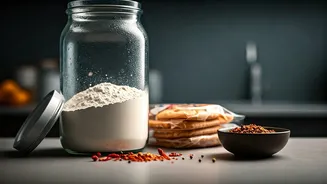
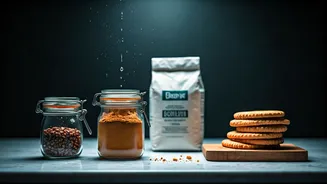
There's nothing more disappointing than reaching for a crunchy snack only to find it has gone soft and stale. This happens because these dry foods are 'hygroscopic,' meaning they naturally absorb moisture from the air. In high humidity, they pull in water vapour, which ruins their texture. The battle against sogginess is won with one simple tool: the airtight container. Once you open a packet of biscuits, crisps, or namkeen, transfer the contents immediately to a glass or steel jar with a tight-fitting lid to keep them fresh and crunchy.
Spices, Salt, and Sugar
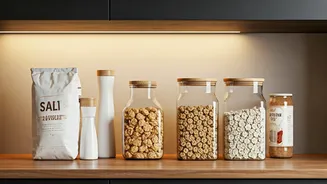
Humidity is the arch-nemesis of a well-organised spice rack. Moisture causes ground spices and salt to clump together, making them difficult to use. Beyond the clumping, humidity can also degrade the essential oils in spices, causing them to lose their flavour and aroma. Storing your spice containers next to the stove is a common but costly mistake, as the steam from cooking introduces constant moisture. Keep your spices in airtight containers in a cool, dark cupboard. For extra protection against clumping in salt or sugar shakers, add a few grains of uncooked rice to absorb any excess moisture.
Flours and Grains
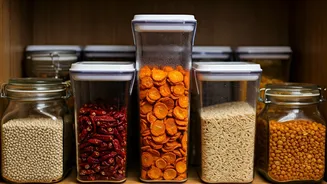
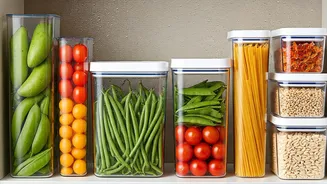
Flour, rice, and other grains are pantry staples that are surprisingly sensitive to moisture. High humidity can cause flour to clump and develop a musty odour, but more alarmingly, it can encourage the growth of mould or attract pests like weevils. The original paper bags that flour comes in offer little protection from humid air. It is essential to transfer flours and grains into large, airtight containers as soon as you bring them home. For an age-old Indian trick, place a few dried bay leaves inside the container to help deter insects.
Coffee and Tea
For many, a morning cup of coffee or tea is non-negotiable, but humidity can ruin the entire experience. Both coffee beans and tea leaves are highly absorbent and can soak up moisture and odours from the air. This not only makes them stale but can also lead to mould. The key is to store them in an opaque, airtight container in a cool, dark place like a pantry, away from any heat sources. Avoid the common myth of storing daily-use coffee in the refrigerator or freezer; the condensation that forms when you take it out can do more harm than good.
Fresh Produce Like Onions and Garlic
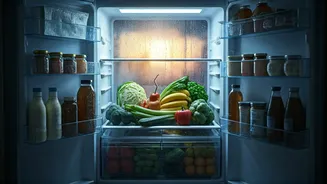
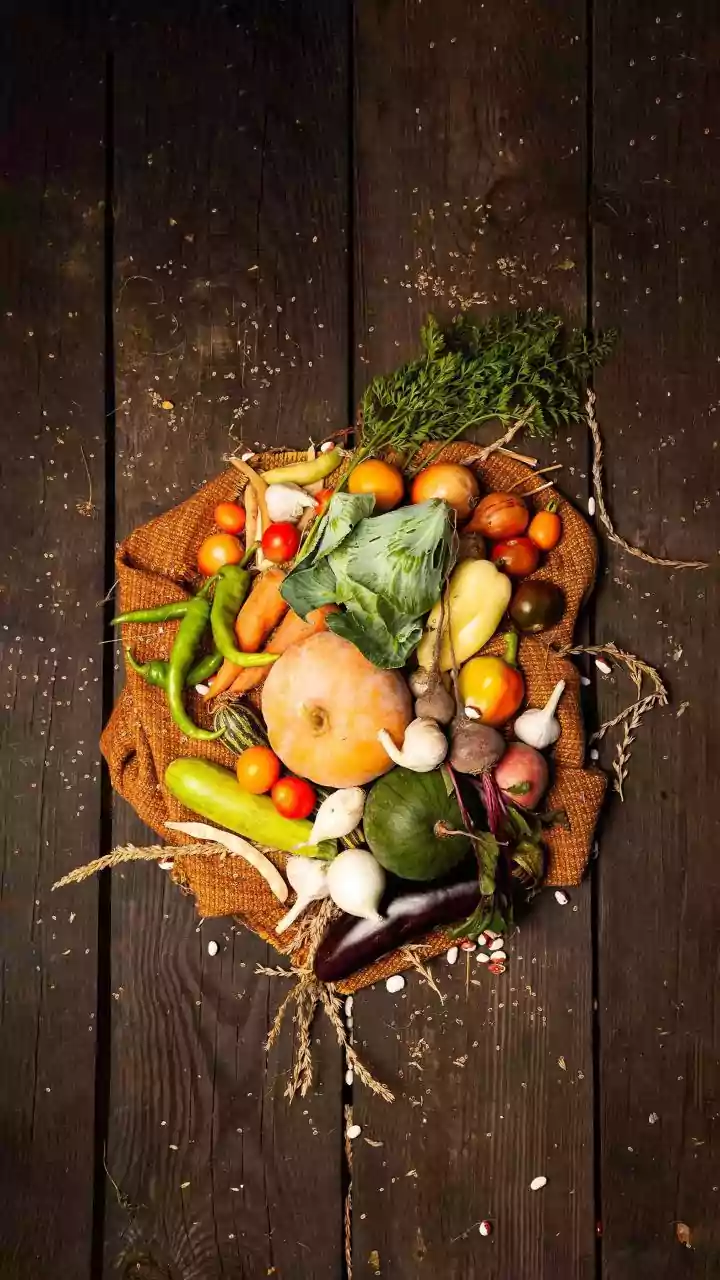
While some fruits and vegetables thrive in humidity, others, like onions and garlic, rot much faster. Moisture encourages them to sprout or develop mould, turning them soft and unusable. Storing them in the refrigerator is not ideal as the cold, moist environment can make them mushy. Instead, these alliums need to be stored in a cool, dark, and dry place with good air circulation. A mesh bag or a basket in a dark corner of the pantry is a perfect home for them, allowing them to breathe and stay dry.