



Rajasthan’s Emerald Awakening
Think of Rajasthan and you might picture arid deserts and sun-baked forts. But the monsoon gifts the region an entirely new personality. In places like Udaipur, the city’s famous lakes, Pichola and Fateh Sagar, swell with fresh rainwater, reflecting the dramatically
cloudy skies. [31] The surrounding Aravalli hills, typically dry and brown, transform into a carpet of vibrant green. [31, 32] It's a rare sight to see Rajasthan so lush and alive. The aptly named Monsoon Palace (Sajjan Garh) offers breathtaking panoramic views of the rain-washed city and misty hills. [30] With fewer tourists and lower hotel rates, it’s a chance to experience the 'City of Lakes' at its most romantic and serene. [32]
Uttarakhand's Valley of Flowers
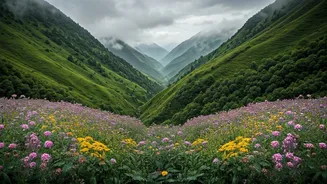
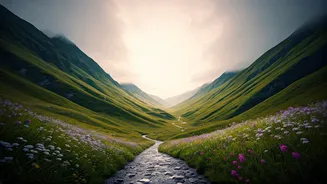
For a truly spectacular monsoon phenomenon, the Valley of Flowers in Uttarakhand is unparalleled. This UNESCO World Heritage Site is only open from June to September, precisely because the monsoon is what brings it to life. [12] During these months, the valley erupts into a vibrant carpet of over 500 flower species, including the rare blue poppy and Brahma Kamal. [10, 16] The rains rejuvenate the landscape, creating emerald green meadows set against mist-covered peaks. [10] August is considered the peak season for blooms, though it comes with heavier rainfall. [9] Trekking here is a surreal experience, walking through clouds and colourful fields. However, given the Himalayan terrain, it's crucial to check weather conditions and trail accessibility before you go, as the rains can make paths slippery and muddy. [9, 18]
Shimla's Misty, Colonial Charm
The former summer capital of British India, Shimla, takes on a different kind of magic during the monsoon. The usual hustle and bustle subsides, replaced by a cool, quiet atmosphere. [34] The dense deodar forests become mystical, draped in thick fog that often rolls right onto the Mall Road. [34] Instead of ticking off a list of crowded tourist spots, the monsoon in Shimla invites you to slow down. Take long walks on less-travelled paths, discover colonial-era architecture half-hidden in the mist, and duck into small, local tea stalls for a hot cuppa. [34] While the risk of landslides in the wider region is real, the main town is relatively accessible, offering a romantic and atmospheric getaway from the plains. [27]
Landour’s Quiet, Literary Retreat
Just a short distance from the often-crowded Mussoorie lies its quieter, more contemplative neighbour, Landour. During the monsoon, this small cantonment town becomes an evergreen paradise. [35] The rain-drenched forests, foggy mornings, and the gentle sound of raindrops create a peaceful, almost magical atmosphere. [35] It’s the perfect place to disconnect. You can take a scenic walk along the ‘Landour Loop,’ a 5km circular road offering stunning views of the mist-filled valleys, or find a cosy corner in one of its famous hillside cafés to read, write, and watch the clouds float by. [35, 36] The town's colonial-era churches and quaint cottages add to its serene, old-world charm, making it an ideal escape for those seeking solitude and inspiration.
Your Monsoon Glow-Up Kit
Travelling during the monsoon requires some smart packing. Prioritise quick-drying synthetic fabrics over cotton and denim. [8] A reliable waterproof jacket or poncho is a must—an umbrella might not withstand hillside winds. [11] Footwear should be waterproof with a good grip; think rubber sandals or anti-skid trekking shoes, not sneakers that will take days to dry. [8, 20] Protect your electronics with waterproof bags or pouches. [11] And don't forget insect repellent, as the monsoon is breeding season for mosquitoes. [11, 20] Finally, always check weather forecasts and road conditions before you travel, and keep a couple of buffer days in your itinerary for potential delays, especially in hilly regions. [18, 21]