





Hold a 'State of the Fridge' Summit
Before you start taping lines inside the fridge, have a conversation. This isn't about accusing someone of being a 'fridge hog'; it's about collaboratively setting up a system that works for everyone. Frame the discussion around fairness and cleanliness.
The goal is to prevent problems before they start. Agreeing on basic principles, like cleaning up spills immediately and not eating food that isn’t yours without asking, lays the groundwork for a more detailed plan. Open and respectful communication is the first step to resolving potential conflicts and building trust in your shared space.
The Art of Zoning: Divide and Conquer
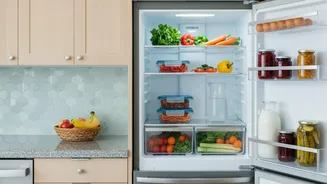
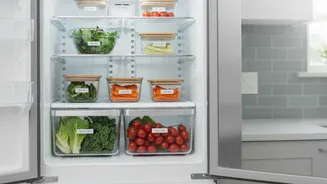
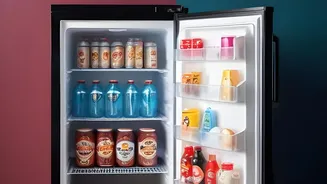
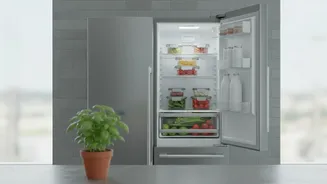
The most effective way to prevent fridge-related disputes is to designate space. Depending on the number of roommates, this can be done by shelf or by section. For instance, if there are two of you, you can split the fridge vertically. With more people, assigning a shelf each is a practical approach. Clear plastic bins can also be a game-changer, creating individual, labeled zones within a single shelf. The crisper drawers can be assigned, and the door is often best designated as a communal space for shared items like condiments, milk, or butter. This not only keeps things organised but makes it easy to find your own items without rummaging through others' groceries.
The Golden Rule: Label Everything
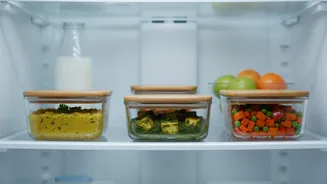
In a shared fridge, ambiguity is the enemy. A simple roll of masking tape and a marker can prevent countless misunderstandings. Label your food items, especially leftovers, with your name and the date. This makes ownership clear and helps everyone keep track of what's still fresh and what needs to be tossed. It’s not about being distrustful; it’s about creating a clear, easy-to-follow system. If you have something special that you absolutely don't want to be shared, labeling it is the clearest way to communicate that without any awkwardness.
Establish a 'Free-for-All' Shelf
While personal zones are important, a communal area can foster a spirit of sharing and reduce waste. Designate one shelf or a specific bin for items that are 'free for all'. This is the perfect spot for leftovers you won't finish, near-expiry items you want someone to use, or communal condiments that everyone chips in for. Clearly labeling this zone as “Communal” or “Fair Game” prevents confusion and encourages roommates to share rather than let food go bad. It’s a simple way to manage items that don't neatly fit into one person's grocery list.
The Weekly Purge Protocol
A fridge can get dirty and overcrowded quickly. To combat this, establish a regular cleaning schedule. A weekly 'purge' is a good routine to get into. This involves everyone going through their designated section to throw out expired food and mouldy leftovers. A more thorough clean, where shelves and drawers are wiped down, should be rotated among roommates. You can set up a rotating schedule and post it on the fridge. Holding everyone accountable for their own food waste and contributing to the overall cleanliness is key to maintaining a hygienic and pleasant kitchen environment.
Handling Fridge Felonies
Even with the best agreement, issues can arise. Someone might consistently 'borrow' food without asking or neglect their cleaning duties. Instead of letting resentment build, address it directly and calmly. Remind them of the agreement you all made. If food theft is a persistent issue, it might be a sign of a larger communication breakdown. Revisit your 'State of the Fridge' summit to reinforce the rules. The key is to handle these moments as a breach of the agreed-upon system, not a personal attack, ensuring the conversation remains productive.