




More Than Just Planting Trees
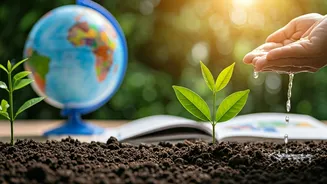
When we hear “green education,” it’s easy to picture students planting saplings on Van Mahotsav. While important, the concept today is far more holistic. It’s a three-pronged approach that integrates sustainability into the curriculum, the campus infrastructure,
and the surrounding community. This isn’t just about teaching environmental science; it’s about creating an entire ecosystem where students live and breathe sustainability. The goal is to move from passive learning—reading about climate change in a textbook—to active participation, where students engage with waste management systems, energy conservation projects, and biodiversity conservation right on their school grounds.
The Push from Policy
This shift isn't happening in a vacuum. It's being actively encouraged by national policy. The National Education Policy (NEP) 2020 places significant emphasis on environmental education, calling for it to be integrated across all stages of schooling. It advocates for a curriculum that builds a deep respect for the natural world and fosters knowledge about conservation, sustainable development, and climate change. The Central Board of Secondary Education (CBSE) has also been proactive, encouraging affiliated schools to adopt eco-friendly practices. This includes everything from mandatory rainwater harvesting and energy audits to promoting 'eco-clubs' that drive student-led green initiatives. This top-down push provides the framework and legitimacy for schools to invest resources in going green.
The Campus as a Classroom
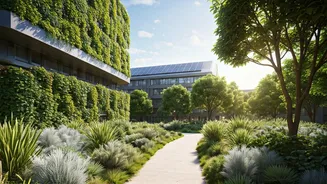
The most visible aspect of this trend is the transformation of the school campus itself. A growing number of institutions across India are becoming models of sustainable infrastructure. Think schools powered by solar panels, campuses with zero-liquid discharge systems, and buildings constructed with eco-friendly materials that maximize natural light and ventilation. Canteens are ditching single-use plastics and managing their own food waste through composting, which is then used to fertilize school gardens. These gardens, in turn, become outdoor classrooms for lessons in biology and nutrition. By turning the campus into a living laboratory, schools demonstrate that sustainability isn't an abstract concept but a practical, everyday reality.
Preparing for a Green Economy
This educational pivot is also deeply pragmatic. The world is moving towards a green economy, and India is no exception. Jobs in renewable energy, sustainable agriculture, waste management, and environmental consulting are on the rise. A green education equips students with the knowledge and skills needed for this future workforce. They learn critical thinking, problem-solving, and systems thinking by tackling real-world environmental challenges. Students who participate in designing a rainwater harvesting system or conducting an energy audit for their school are not just learning science—they are developing practical engineering and management skills that will be highly valued in the job market of tomorrow.
Challenges on the Path
Despite the momentum, the road to universal green education is not without its obstacles. The most significant challenge is inequity. While well-funded private and international schools in urban centres are leading the way, many government and rural schools lack the resources to install solar panels or advanced water treatment systems. There's also a critical need for comprehensive teacher training. Educators need to be equipped with the right tools and pedagogical techniques to teach these complex subjects effectively and move beyond rote learning. Bridging this gap will require concerted effort and investment from both government and civil society to ensure that every child, regardless of their background, has access to an education that prepares them for a sustainable future.