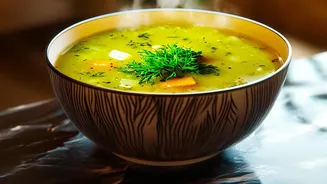

It’s a familiar story: the workday is done, but the 'second shift' of making dinner has just begun. The only thing less appealing than the cooking itself is the mountain of dishes waiting afterward. Enter one-pot vegetarian cooking.
More Than Just Fewer Dishes
The phrase 'one-pot
meal' often conjures images of simply dumping ingredients into a single vessel. While the minimal cleanup is a major perk, true one-pot cooking is a technique, not just a shortcut. It’s about building a complete, flavorful meal in stages within a single pan or Dutch oven. The magic lies in the way flavors are layered and compounded. When ingredients cook together, their flavors meld in a way that separate pots and pans can never achieve, creating a dish that is often more delicious and complex than its simple preparation suggests. Every ingredient contributes to a shared, flavor-infused liquid that gets absorbed by grains, pasta, and vegetables.
The Real Ways You Save Time
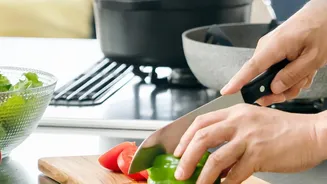
The most obvious time-saver is the cleanup, which is dramatically reduced. But the efficiencies start long before you turn on the sink. One-pot meals streamline the entire cooking process. You aren't juggling multiple pans on different burners, trying to coordinate several different cooking times. Everything happens sequentially in one place, which reduces the mental load and stress of cooking. Prep can also be simpler; since ingredients will soften and meld, you can often get away with a rougher chop. The total active time in the kitchen is often much shorter, giving you back precious minutes on a hectic evening.
Why Plants and Pots Are a Perfect Match
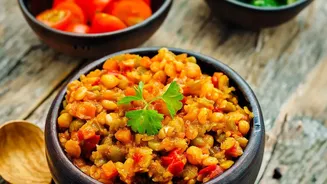
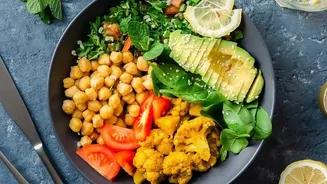
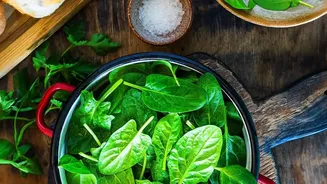
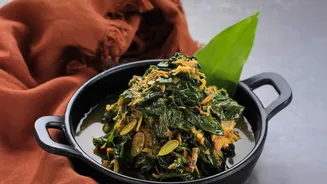
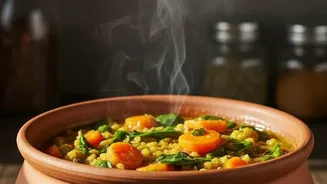
Vegetarian cooking is uniquely suited to the one-pot method. Ingredients like lentils, beans, whole grains, and pasta are designed to soak up liquid, becoming vehicles for the very sauce they are cooked in. This makes them perfect candidates for absorbing the rich, layered broth that develops. A pot of vegetarian chili, a creamy pasta, or a fragrant curry all benefit from this infusion of flavor. Vegetables like onions, carrots, bell peppers, and mushrooms release their sweetness and savory notes, forming the backbone of the dish, while leafy greens like spinach or kale can be wilted in at the very end for a burst of freshness and nutrition.
Keys to a Delicious Outcome
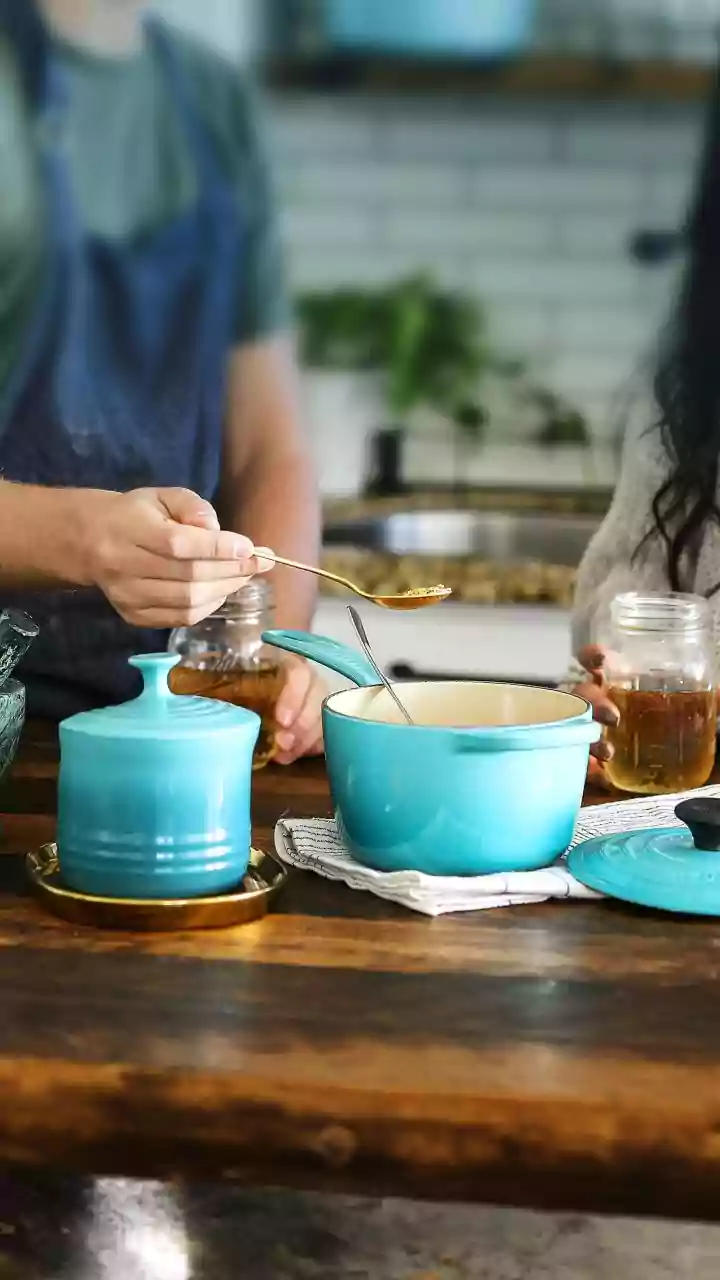
A great one-pot meal doesn’t happen by accident. It relies on a few key techniques to build deep flavor. Start by sautéing aromatics like onions, garlic, or ginger in oil until they soften and their fragrance fills the kitchen. This creates a savory foundation. Next, add spices and toast them for a minute to bloom their flavors before adding any liquid. When you add liquid (like broth or wine), use a wooden spoon to scrape up any browned bits from the bottom of the pan—a technique called deglazing that adds immense flavor. Be strategic about adding ingredients based on their cooking time; hardy vegetables like carrots go in early, while quick-cooking pasta or greens are added toward the end. Finally, finish with a touch of brightness. A squeeze of lemon juice, a splash of vinegar, or a handful of fresh herbs can lift and balance the entire dish.