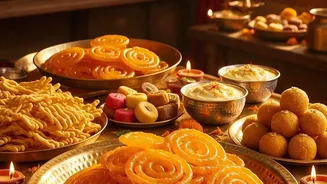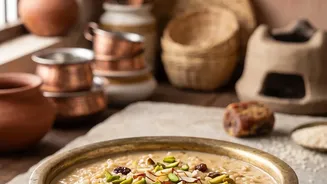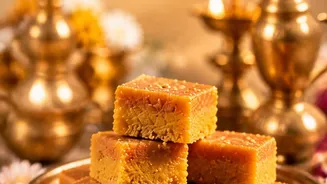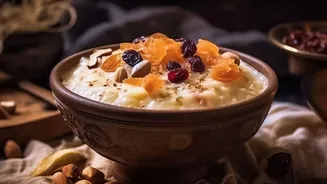


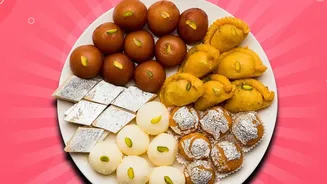
From the glistening sheen on a gulab jamun to the crisp sweetness of a jalebi, sugar syrup is the soul of many Indian sweets. In an era of refrigeration and artificial preservatives, why does this ancient technique not just survive, but thrive?
The Science of Sweet Preservation
The magic
of sugar syrup as a preservative lies in a simple scientific principle: osmosis. A high concentration of sugar creates an environment where water is drawn out of microbial cells, like bacteria and mould, effectively dehydrating them. Without sufficient water, these microorganisms cannot grow or multiply, preventing spoilage. This process, known as reducing 'water activity', is an age-old method used long before refrigerators became a kitchen staple. Essentially, the sugar binds with water molecules, making them unavailable for the microbes that would otherwise cause the sweet to go bad. It’s a natural and effective way to extend the shelf life of everything from fruity murabbas to milk-based mithai.
The Art and Precision of 'Chaashni'
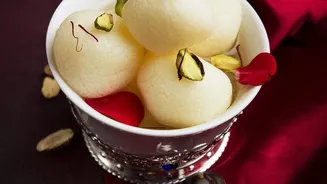
Making the perfect sugar syrup, or 'chaashni' as it's known in Hindi, is considered an art form in Indian culinary traditions. It’s not just about dissolving sugar in water; it's about achieving the precise consistency required for each specific sweet. Halwais (traditional sweet makers) master the stages of syrup, often described by a 'thread' consistency. A 'one-thread' (ek taar) syrup is lighter and perfect for sweets like gulab jamun or rasgulla, allowing the syrup to be fully absorbed and make them soft and spongy. A 'two-thread' (do taar) syrup is thicker and used for sweets like barfi or shakarpara, where the syrup needs to coat the exterior and help the sweet set. A three-thread consistency is even thicker, used for making sweets like chikki. This level of precision demonstrates that chaashni is far more than a simple preservative; it is a foundational ingredient that defines the final product.
More Than Just Shelf Life
While preservation is the scientific basis, the role of sugar syrup in Indian sweets goes much deeper. It is a multi-functional ingredient that is critical to texture, flavour, and appearance. For a gulab jamun, the syrup is what transforms a fried dough ball into a melt-in-your-mouth delicacy. For a jalebi, it provides the essential sweetness that complements the fermented tang of the batter and creates its signature syrupy crunch. Furthermore, the syrup is an excellent carrier for aromatic flavours. Spices like cardamom, saffron, or essences like rose water are infused into the chaashni, which then permeates the entire sweet, delivering a complex and layered taste experience that modern preservatives simply cannot replicate. The glossy, appealing finish on many sweets is also thanks to this sugary glaze.
A Taste of Tradition and Nostalgia
In modern times, we have access to a wide range of chemical preservatives and advanced refrigeration. Yet, the traditional chaashni method endures because it is deeply woven into the cultural fabric of India. The flavour and texture imparted by sugar syrup are authentic and tied to generations of culinary heritage. For many, the taste of a particular sweet is inseparable from the way it was prepared during festivals and family celebrations. Opting for a gulab jamun soaked in a carefully prepared syrup over one with artificial additives is a choice for authenticity and flavour. It connects the consumer to a history of craftsmanship and a time when food preservation was a natural, intuitive process rooted in the kitchen.