








The Real Story Isn't a Cool Summer
While the headline suggests a widespread chill, the dominant weather story across much of India is the exact opposite. Vast swathes of the northern and central plains have been battling a severe and prolonged heatwave, with temperatures soaring to dangerous
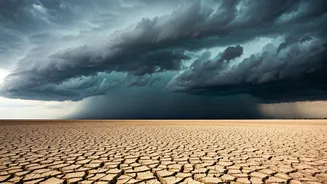
levels. [23] Cities across Uttar Pradesh, Delhi, Rajasthan, and Punjab have experienced scorching conditions, prompting advisories for residents to avoid sun exposure. [23] This intense heat, rather than a gentle, cool spell, is the primary force dictating the movements and plans of millions. The narrative isn't one of a calm, cool season dampening enthusiasm; it's about extreme heat making normal life unbearable and forcing people to seek refuge wherever they can find it.
A Desperate Escape to the Hills
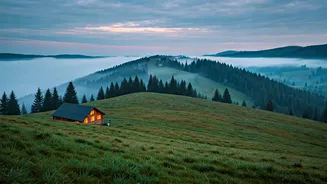
The “cool weather” of the season is not a national phenomenon but a regional escape valve. This has triggered an unprecedented tourism boom in India's hill stations. As plains-dwellers flee the heat, mountain destinations are witnessing a massive surge in visitors. [6, 7] One hospitality chain, Zostel, reported that bookings for properties in Shimla surged by 76% year-on-year in June. [3] Similarly, destinations like Srinagar, Gangtok, and Nainital have seen footfall grow by nearly 95% compared to the previous year, with hotels reporting occupancy rates as high as 70-80%. [3, 4, 7] This isn't the typical peak-season hype; it's a frantic migration driven by a climate emergency, with nearly half of these bookings being made spontaneously within three days of travel. [4]
When Hype Overwhelms a Hill Station
This concentrated rush is placing immense strain on the infrastructure of these mountain towns. Popular destinations like Manali, Mussoorie, and even Chikkamagaluru in Karnataka are struggling with the consequences. [6, 8] Roads leading to these getaways are choked with heavy traffic, creating long jams and logistical nightmares for local authorities. [6, 8] While the influx provides a significant boost to local economies—benefiting hotel owners, restaurants, and shopkeepers—it also pushes resources to their limits. [7] The very peace and cool air that tourists are seeking is being compromised by overcrowding and congestion, highlighting a growing challenge of balancing economic opportunity with sustainable tourism in an era of climate volatility.
The Unpredictable Monsoon Factor
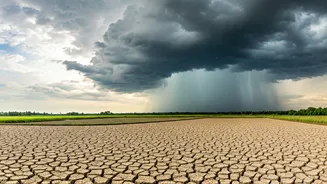
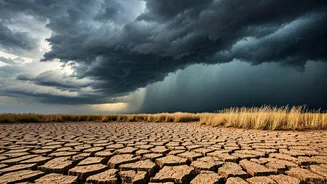
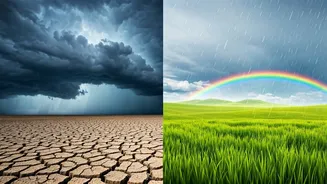
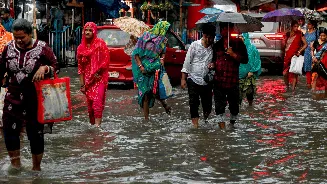
Adding another layer of complexity is the behaviour of the 2026 monsoon. Forecasts from the India Meteorological Department (IMD) have pointed towards a weaker-than-normal monsoon, potentially influenced by a developing El Niño phenomenon. [5, 15] Reports in late June noted that monsoon rains were significantly below average, raising concerns for agriculture, which relies on these seasonal rains. [19] This doesn't translate to a simple, pleasant coolness but to a pattern of unpredictability. Some regions may face prolonged dry spells, while others could experience sudden, intense downpours leading to flight delays and local flooding. [5, 9] This underlying volatility means the entire country is navigating a season of sharp contrasts, a far cry from a simple case of 'cool weather'.