





1. Find Your Sunlight
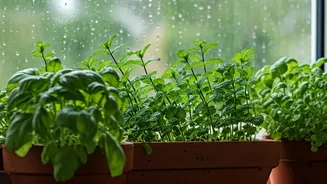
Before you buy a single seed, observe your space. Most vegetable plants need at least 4-6 hours of direct sunlight each day to thrive. A south- or west-facing balcony or terrace is ideal. If you only have a windowsill, you can still grow herbs and some
leafy greens. Watch the light patterns for a day or two to identify your sunniest spots. This simple step is the most crucial for a successful harvest. Remember that the intense Indian summer sun can also scorch delicate plants, so having an option to provide partial shade during peak afternoon hours can be a lifesaver.
2. Choose Your Containers
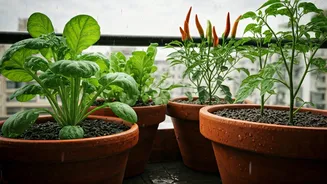
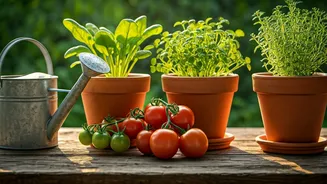
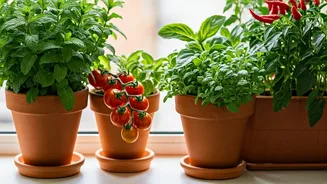
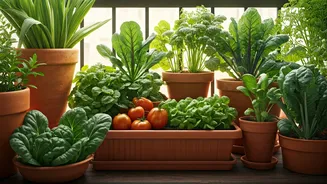
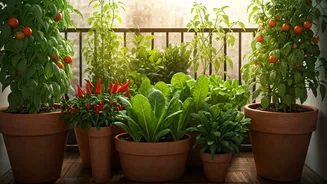
You don't need fancy, expensive pots. Terracotta pots (gamlas), UV-treated grow bags, paint buckets, and even old plastic bottles can be transformed into homes for your plants. The most important rule is drainage. Whatever container you choose, ensure it has holes at the bottom to let excess water escape, preventing root rot. The size of the container matters, too. Leafy greens and herbs can manage in smaller pots (6-8 inches), while fruiting plants like tomatoes (tamatar) and brinjal (baingan) need larger containers (12-18 inches) to support their root systems.
3. Create the Perfect Soil Mix
Simply scooping soil from a nearby park won't work. Garden soil is often heavy, compacts easily in pots, and can carry pests and diseases. Instead, create or buy a lightweight, nutrient-rich potting mix. A classic recipe for Indian conditions is a mix of equal parts red soil (or regular garden soil), cocopeat (which helps retain moisture), and compost or vermicompost (which provides nutrients). This blend ensures good aeration, drainage, and a steady supply of food for your plants, setting them up for healthy growth from day one.
4. Pick Beginner-Friendly Vegetables
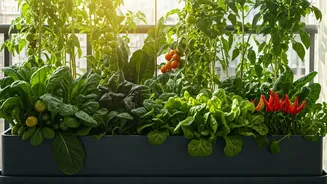
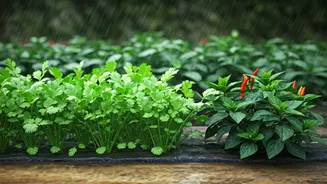
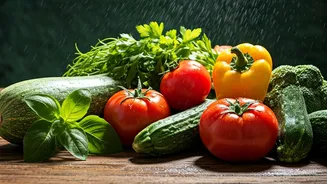
Start small and simple to build confidence. Some of the easiest vegetables to grow in containers in India include: * **Herbs:** Coriander (dhania), mint (pudina), and basil (tulsi) are incredibly rewarding and can grow in small pots. * **Leafy Greens:** Spinach (palak) and fenugreek (methi) grow quickly and you can harvest them multiple times. * **Fruiting Vegetables:** Cherry tomatoes, chillies (mirchi), and certain varieties of brinjal and okra (bhindi) do surprisingly well in large pots and love the sun. * **Root Vegetables:** Radish (mooli) can be grown in deeper pots and offers a quick harvest. Choose seeds or saplings from a local nursery, as they will be best suited for your specific climate.
5. Water Wisely
Overwatering and underwatering are the most common mistakes new gardeners make. There's no fixed schedule; the key is to check the soil. Poke your finger about an inch into the potting mix. If it feels dry, it's time to water. If it's damp, wait another day. Water thoroughly until you see it draining from the bottom holes. This encourages deep root growth. In the peak of summer, you may need to water daily, while during monsoon or winter, you can reduce the frequency. Always water the soil, not the leaves, to prevent fungal diseases.
6. Feed Your Plants Regularly
Plants in containers have limited access to nutrients, as they use up what's in the pot. You'll need to replenish this regularly. About a month after planting, start feeding your plants every 2-3 weeks. Organic options are best for edible gardens. A handful of vermicompost or well-rotted cow dung manure scratched into the topsoil works wonders. You can also make a 'compost tea' by soaking compost in water for a day and using the liquid to water your plants. This provides a gentle, consistent boost of nutrition.
7. Manage Pests Naturally
Pests are a part of gardening, but you don't need harsh chemicals. Regularly inspect your plants for common pests like aphids and mealybugs, especially on the underside of leaves. Most can be dislodged with a strong spray of water. For more persistent issues, a simple solution of neem oil mixed with water and a few drops of liquid soap can be sprayed on the plants. This organic solution disrupts the life cycle of many pests without harming your vegetables or the environment.