

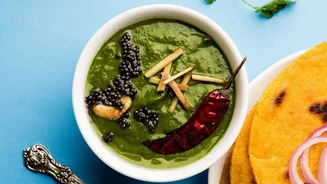
As the winter chill arrives, our bodies crave warmth and nourishment. Embracing seasonal eating is an intuitive and powerful way to support your health, boost immunity, and align your diet with what nature provides in abundance.
The Wisdom of Winter Eating
Eating seasonally isn't
a new trend; it’s a timeless practice rooted in traditional wisdom. During winter, our metabolism can slow down, and our bodies work harder to stay warm. Nature provides us with foods that are perfectly suited for this task. Winter produce is often denser and more nutrient-rich, offering the exact vitamins and minerals needed to bolster our immune systems against seasonal illnesses. Foods harvested in winter are typically warming and grounding, helping to support digestion, which can become sluggish in colder weather. By choosing what's in season, you're not only getting produce at its peak freshness and nutritional value but also supporting a natural dietary rhythm that benefits overall well-being.
Your Winter Produce Guide
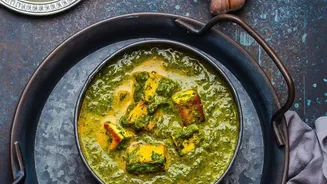
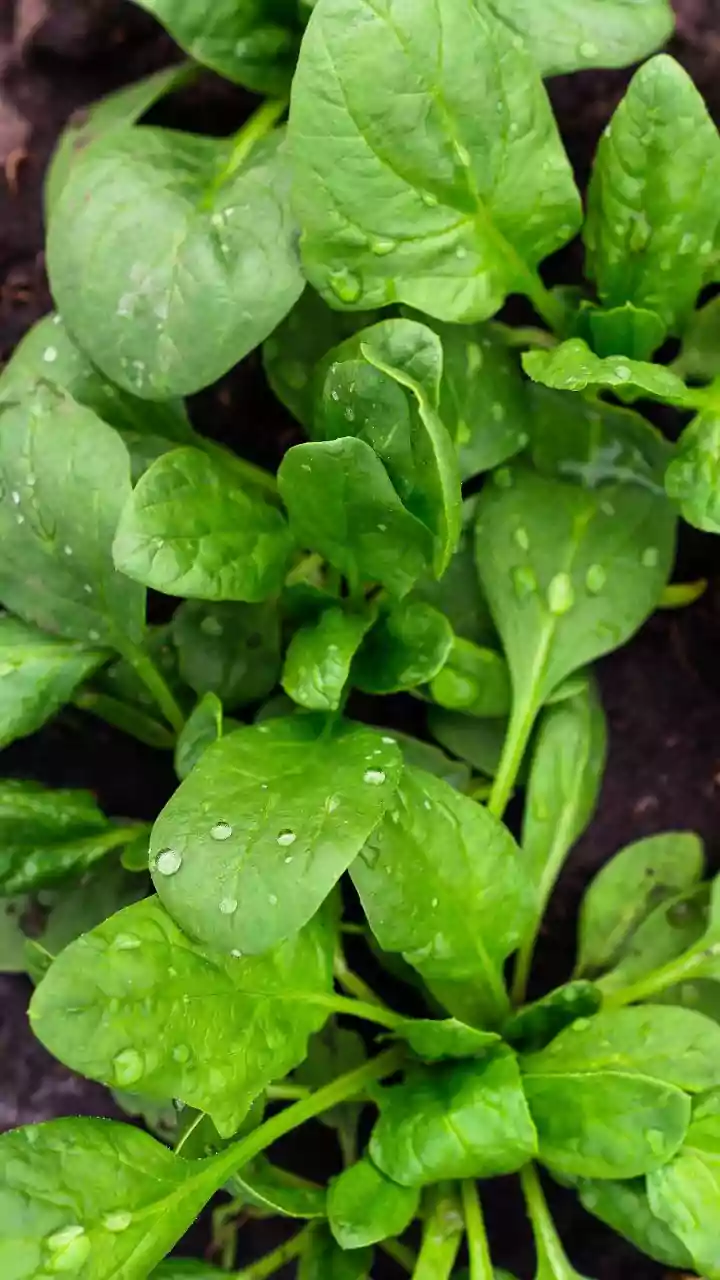
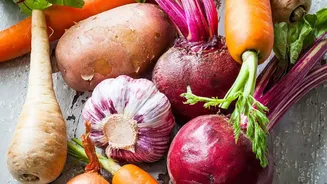
Indian markets are brimming with vibrant and nutritious produce during the winter months. Building your meals around these seasonal stars is the first step to a balanced plate. Look for leafy greens like spinach (palak), fenugreek (methi), and mustard greens (sarson), which are packed with iron, calcium, and vitamins A, C, and K. Root vegetables are another winter staple; carrots, beetroot, radishes, and turnips are abundant and loaded with antioxidants, beta-carotene, and essential minerals that improve blood flow and skin health. For fruits, reach for citrus like oranges and amla (Indian gooseberry), which are exceptional sources of immunity-boosting Vitamin C. Guava, apples, and pomegranates are also at their best, providing fibre and antioxidants.
Warming Grains and Millets
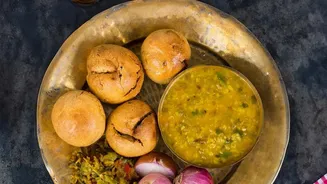
Winter is the perfect time to incorporate heartier grains that provide sustained energy and warmth. Traditional Indian millets like bajra (pearl millet) and jowar (sorghum) are excellent choices. Bajra is known for its warming properties and is rich in iron, protein, and fibre, which aids digestion and keeps you feeling full. Jowar is a gluten-free powerhouse of protein, B vitamins, and magnesium, helping to support your metabolism and immunity. Incorporating rotis made from these flours, or enjoying them in porridges and khichdi, is a simple way to make your meals more winter-appropriate and incredibly nourishing.
Building Your Balanced Winter Plate
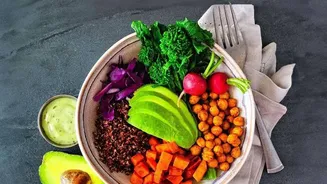
Creating a balanced plate is a simple visual exercise that ensures you get a healthy mix of macronutrients. Follow the 50/25/25 rule for a perfectly proportioned meal. First, fill half of your plate with nonstarchy vegetables. This is where your seasonal stars like spinach, carrots, cauliflower, and peas shine, providing essential vitamins, minerals, and fibre. Next, fill onequarter of your plate with a lean protein source such as dal, lentils, beans, tofu, or eggs. Protein is crucial for muscle repair and keeping you satiated. The final quarter of your plate should be reserved for complex carbohydrates. This includes your winter millets like bajra or jowar, brown rice, or a hearty sweet potato. Finally, don't forget to add a small amount of healthy fat, like a drizzle of ghee or a few nuts, to aid nutrient absorption and provide warmth.
The Power of Warming Spices
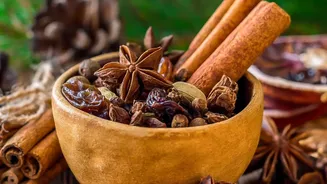
No Indian winter meal is complete without the aromatic and therapeutic power of spices. Spices like ginger, turmeric, cinnamon, and black pepper are known for their thermogenic properties, meaning they naturally help to generate heat in the body. Ginger is excellent for digestion and soothing sore throats, while turmeric is a potent antiinflammatory agent. Cinnamon can help regulate blood sugar, and black pepper not only adds warmth but also enhances the absorption of nutrients from other foods, including the curcumin in turmeric. Incorporating these spices into your daily cooking,, whether in a cup of chai,, a simmering dal,, or a vegetable stirfry,, is an easy way to boost both flavour and wellness.