
The Building Blocks of Health
Protein is essential for nearly every function in the body, from building and repairing tissues like muscle to creating enzymes and hormones. Proteins are made of smaller units called amino acids. There are 22 amino acids in total, nine of which are considered
'essential' because our bodies cannot produce them. We must get these nine from our diet. A food source that contains all nine essential amino acids in sufficient quantities is called a 'complete protein'. While animal products like meat, eggs, and dairy are well-known complete proteins, most plant-based foods are 'incomplete', meaning they are low in one or more essential amino acids. This is where smart food pairing becomes crucial for those on a plant-based diet.
A Perfect Partnership: Grains and Legumes
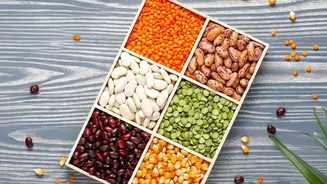
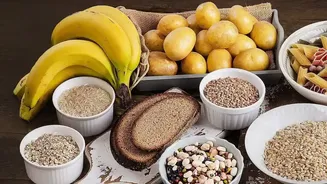
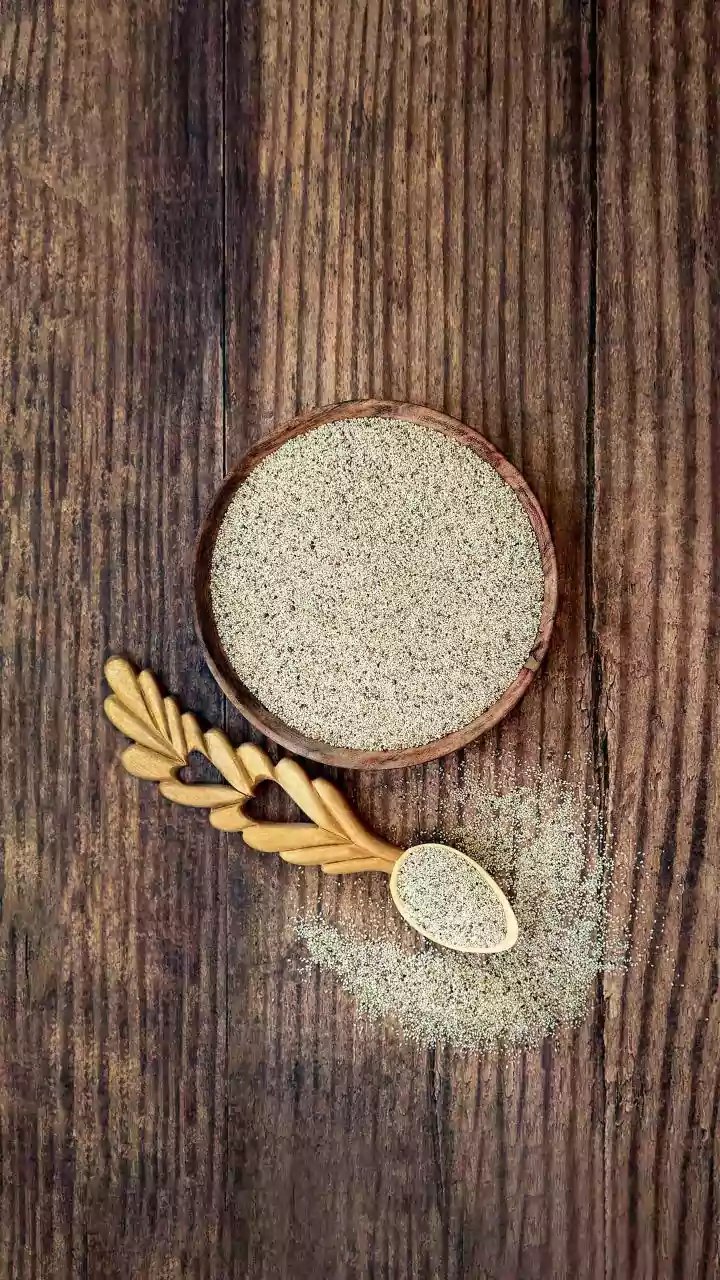
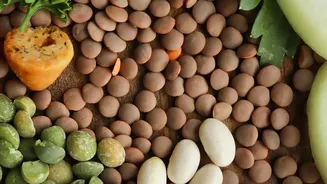
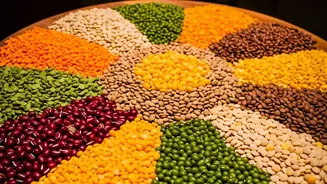
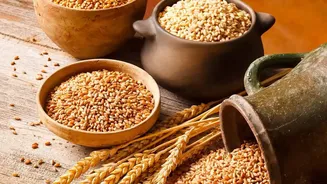
The good news is that what one plant food lacks, another often provides. This is the principle of complementary proteins. Whole grains (like wheat, brown rice, and millets) are typically low in the essential amino acid lysine but contain adequate amounts of methionine. Legumes (like dal, chickpeas, and rajma) are the perfect partner—they are rich in lysine but low in methionine. When you eat them together, their amino acid profiles complement each other, creating a complete protein that provides all the building blocks your body needs. This synergy is fundamental to many traditional diets around the world, and especially in India.
An Old Myth with a Modern Update
For decades, it was believed that vegetarians needed to eat these complementary proteins in the very same meal to get the benefit. However, modern nutrition science has shown that this is not strictly necessary. The body maintains a pool of amino acids, so as long as you consume a variety of protein sources throughout the day, your body can combine them as needed. So, while a meal of dal and rice is a perfect protein combination, you don't need to stress about meticulous pairing at every single meal. The key is a varied diet rich in both whole grains and legumes over the course of the day.
Powering Muscle Repair and Growth
The headline's mention of 'optimal muscle repair' is particularly relevant for active individuals. After exercise, muscles undergo a process of breakdown and repair, which requires a ready supply of amino acids to rebuild stronger. Consuming a protein-rich meal after a workout helps kick-start this muscle protein synthesis. Plant-based combinations of grains and legumes are excellent for post-workout recovery. They not only provide the necessary amino acids but also deliver complex carbohydrates, which are essential for replenishing the energy (glycogen) stores used during exercise.
Classic Indian Pairings You Already Love
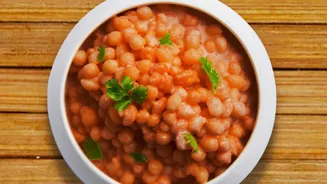
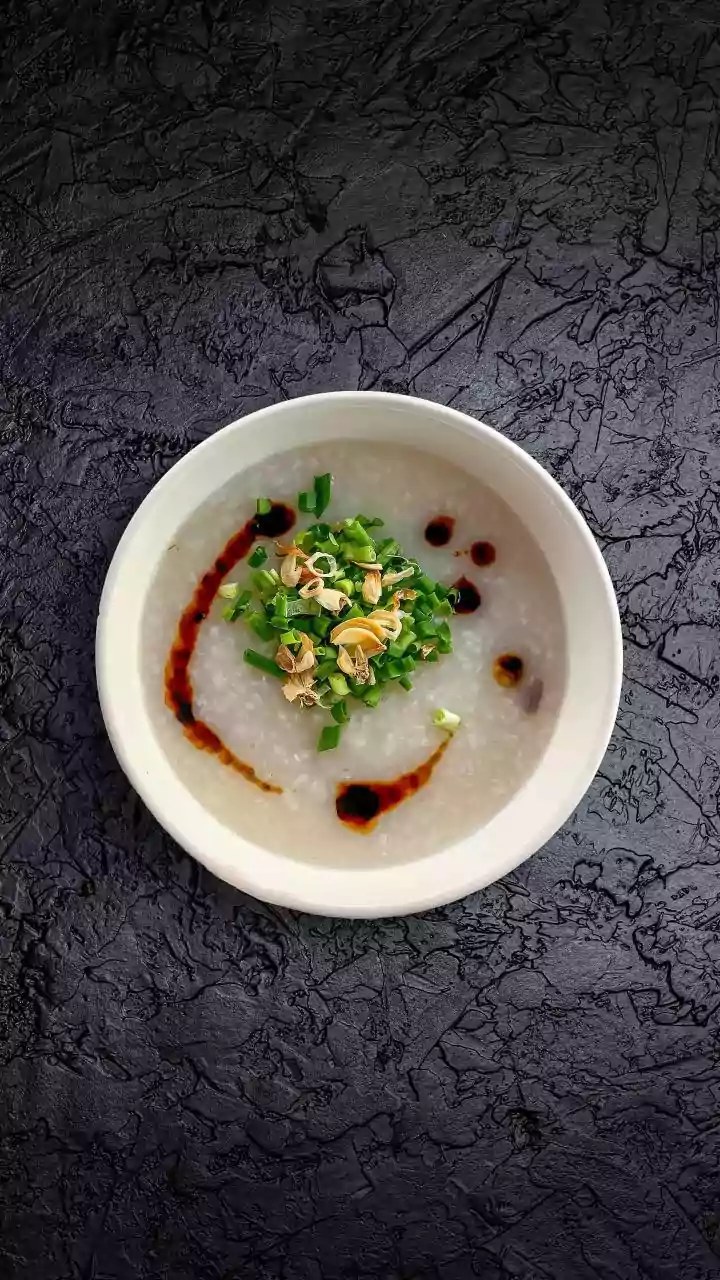
The beauty of this nutritional strategy is that it's already embedded in Indian cuisine. Many of our most beloved comfort foods are perfect examples of complete protein pairings. Think of a comforting bowl of Rajma Chawal, where kidney beans complement rice. The daily staple of Dal and Roti combines lentils with wheat. In the south, Dosa and Idli are made from a fermented batter of rice and urad dal, creating a complete protein before they even hit your plate. And of course, there's Khichdi, the ultimate one-pot meal of rice and moong dal that has nourished generations.
Modern Twists on a Timeless Combo
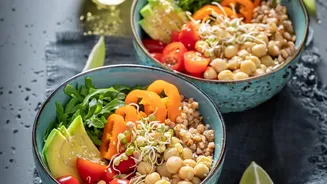
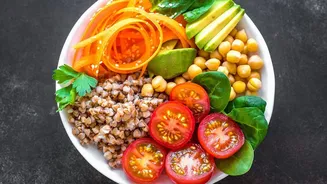
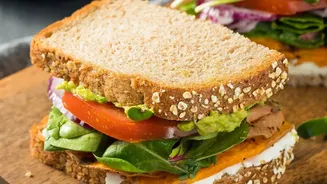
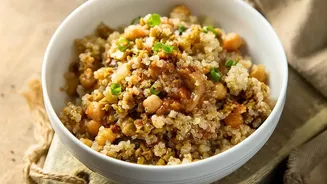
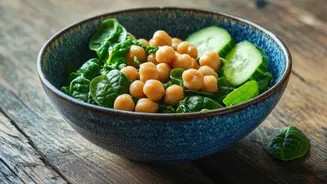
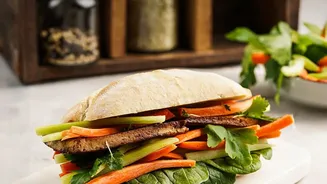
While the classics are classics for a reason, you can easily apply this principle to modern meals. Start your day with oatmeal (a whole grain) topped with nuts and seeds. For lunch, a hummus (made from chickpeas, a legume) sandwich on whole wheat bread works perfectly. A salad featuring quinoa (a complete protein itself) with black beans and corn offers a powerful nutritional punch. Even snacks can be optimised—think a handful of roasted chana or a multigrain cracker with peanut butter. The possibilities are endless and prove that a robust vegetarian diet is both delicious and effective.