

Why Vague Labels Cost You Money
A well-stocked freezer is a cornerstone of a well-run kitchen, saving you time and helping you make the most of leftovers and batch cooking. Yet, without a proper labeling system, it can quickly become a graveyard for forgotten meals. The primary benefit
of clear labeling is the reduction of food waste. When you can clearly see what something is and when it was frozen, you are far more likely to use it before its quality deteriorates. This simple habit preserves the flavour and texture of your food and directly translates into savings on your grocery bill. Furthermore, effective organisation helps you find what you need quickly, preventing you from buying an ingredient you already have buried in the icy depths of your freezer.
The Two Unbreakable Rules of Labeling
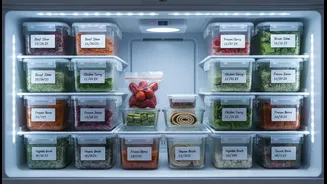
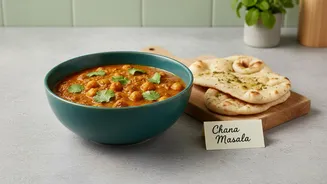
If you only write two things on your freezer label, make them the name of the dish and the date it was frozen. These are the non-negotiables for an organised freezer. The name seems obvious, but specificity is key. Instead of just “Chicken,” write “Spicy Chicken Curry.” This avoids confusion, especially when you have multiple similar-looking dishes. The date is equally critical. Food stored in a freezer at 0°F or below will remain safe indefinitely, but its quality declines over time. The date allows you to follow the “First-In, First-Out” (FIFO) principle, ensuring you use older items first. For example, ground meats are best within 3-4 months, while soups and stews should ideally be used within 2-3 months to maintain their best taste and texture.
Level Up Your Labels With Extra Details
Once you have the basics down, adding a few more details can make your future self very grateful. Consider including the number of servings or portions, which is incredibly helpful for meal planning. Another pro tip is to add brief reheating instructions, such as “Thaw overnight, reheat on stove.” This removes any guesswork when you're in a hurry. For those who want to be extra organised, adding a “use-by” date based on general quality guidelines can provide an at-a-glance prompt to use an item soon. This system turns your freezer from a simple storage space into a dynamic part of your meal planning strategy.
Choosing the Right Tools for the Job
The extreme cold and moisture in a freezer can render many labels and pens useless. Adhesives on regular labels can become brittle and fail, causing them to peel off. Likewise, the ink from standard pens can smudge or fade. For best results, invest in supplies designed for the task. Many people find that simple masking tape and a permanent marker work well; it's a cost-effective method used in many restaurant kitchens. For reusable containers, grease pencils (or china markers) are an excellent option, as they write clearly on plastic and glass but can be washed off. If you prefer dedicated labels, look for ones with a freezer-grade adhesive that remains flexible in the cold. Oil-based permanent markers often perform better than standard alcohol-based ones in low temperatures. Whatever you choose, the key is to apply the label to a clean, dry, room-temperature container before filling and freezing it for the strongest bond.
Common Mistakes to Avoid
The most common mistake is simply not labeling at all, trusting that you’ll remember what’s inside. This rarely works. Another pitfall is using vague descriptions like “meat” or “sauce.” You’ll have no idea if it’s beef bolognese or a vegetarian chili. Also, avoid applying labels to already frozen or wet containers, as the adhesive won't bond properly. When organising your freezer, place newly frozen items at the back and move older items to the front. This simple rotation makes it easy to grab the oldest item first and minimises the chance of anything getting lost and freezer-burned in the back.