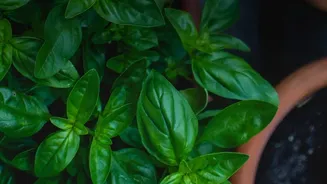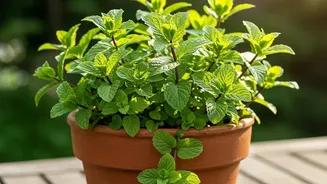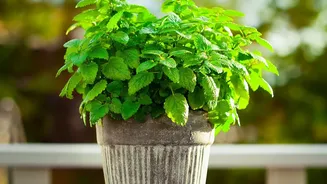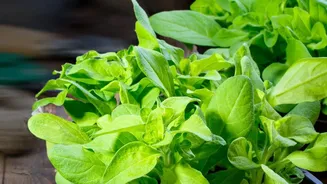

Mint (Pudina): The Shade-Loving Champion
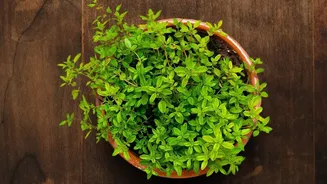
If you can only grow one herb in a low-light space, make it mint. This famously aggressive grower is one of the most shade-tolerant herbs you can find. In fact, in hot climates, a bit of shade protects it from scorching and can lead to healthier leaves.
Plant pudina in its own container; its roots are invasive and will quickly take over any pot they share. It prefers consistently moist, well-draining soil. Water whenever the top inch of soil feels dry. Harvest the leaves regularly for everything from morning chai and chutneys to refreshing summer drinks. Regular trimming will encourage the plant to become bushier and more productive.
Parsley: The Versatile Kitchen Staple
Both flat-leaf and curly parsley varieties are surprisingly adaptable and do well with partial sun. They thrive with morning sun and some afternoon shade, which prevents their leaves from getting tough or bitter. Parsley is a great choice for container gardening and can be grown near a window indoors or on a balcony that gets at least 3 to 4 hours of light. This herb prefers rich, moist soil. While it can tolerate short dry spells, consistent watering will yield the best results. Use its fresh, peppery leaves as a garnish for dals and curries or chop it into salads for a burst of green flavour.
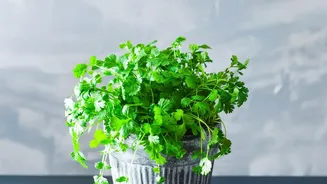
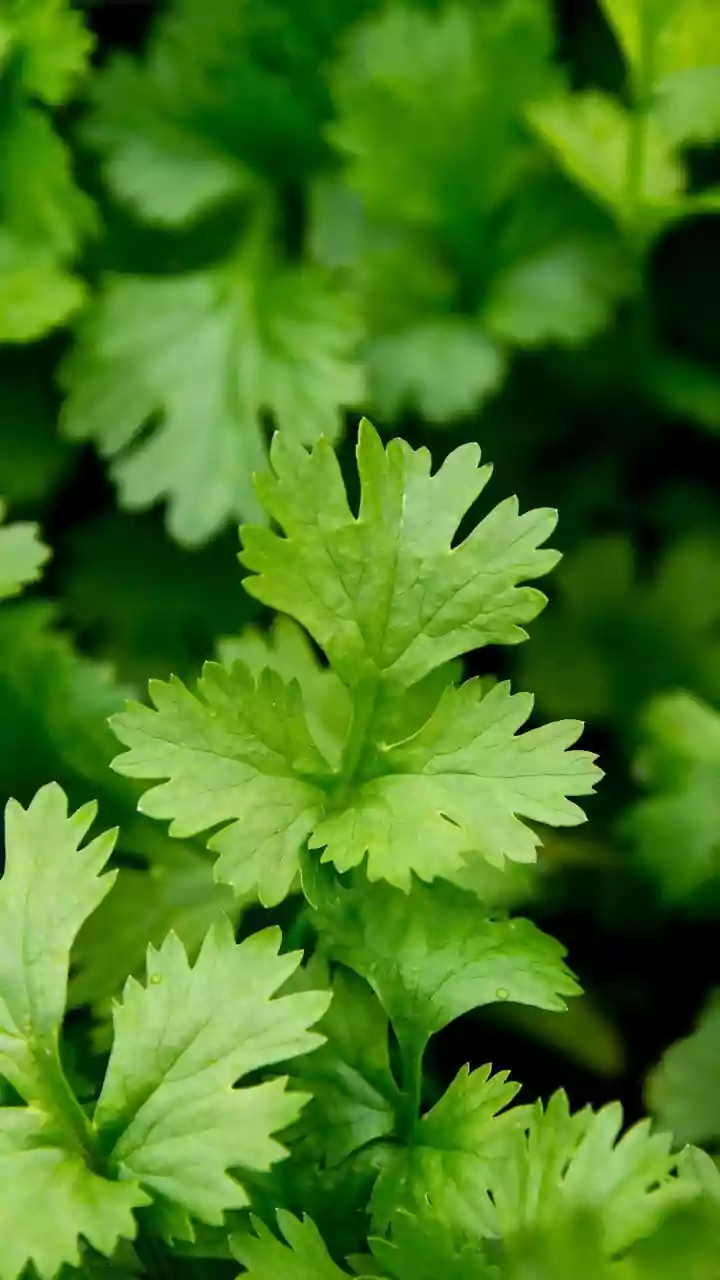
Coriander (Dhania): The Cool-Weather Favourite
Coriander, a cornerstone of Indian cooking, actually appreciates some shade. Too much direct, hot sun can cause the plant to 'bolt'—meaning it flowers and sets seeds prematurely, ending its leafy growth. Growing it in a spot with partial sun helps prolong the harvest season. Dhania can be grown directly from seeds in a pot. It develops a long taproot, so it doesn't like to be transplanted. Keep the soil consistently moist but not waterlogged to prevent bolting. By planting a new batch of seeds every few weeks, you can ensure a continuous supply for all your culinary needs.
Chives: The Subtle Onion Kick
Related to onions and garlic, chives are incredibly forgiving and will tolerate partial shade. While they perform best with at least six hours of sun, they can still grow successfully with less, though perhaps not as vigorously. Their slender, grass-like leaves offer a mild onion flavour that's perfect for a final sprinkle over eggs, potatoes, or soups. Chives are perennials, meaning they'll come back year after year. They grow in clumps and are well-suited to pots. Water them regularly, but allow the soil to dry out slightly between waterings to prevent any issues.
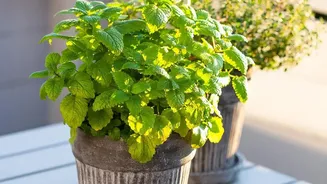
Lemon Balm: The Aromatic Tea Herb
A member of the mint family, lemon balm shares its relative's tolerance for shade. It grows best with protection from intense, direct sun, which can scorch its leaves. This herb has a lovely, citrusy scent and its leaves can be used to make a calming herbal tea or add a zesty note to salads and fish dishes. Like mint, lemon balm can be an enthusiastic grower, so planting it in a container is a good way to keep it under control. It prefers moist soil and a spot where it can get bright, indirect light or a few hours of gentle morning sun.
Success in the Shade
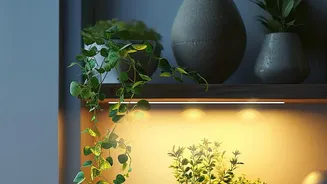
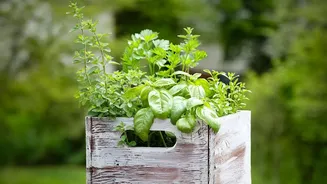
Growing herbs in lower light requires a few adjustments. Shady spots have less air circulation and moisture evaporates more slowly, so be careful not to overwater, as this can lead to root rot. Ensure every pot has excellent drainage. Also, herbs grown in shade may not be as dense or grow as quickly as their full-sun counterparts. They might stretch a bit toward the light, a condition known as becoming 'leggy'. Regular harvesting and pruning can help encourage bushier growth. Don't be afraid to experiment with different locations on your balcony to see which spots get the best-quality indirect light throughout the day.