



More Than Just an 'Eco Vibe'
The buzz around Thimphu isn't just about a few eco-friendly cafes or a ban on plastic bags. It’s the tangible result of a national philosophy that has been in place for decades: Gross National Happiness (GNH). Unlike countries that chase Gross Domestic
Product (GDP), Bhutan prioritises the collective happiness and well-being of its people. This isn't just a feel-good slogan; it's a constitutional mandate that guides all policy-making. Environmental conservation is one of the four key pillars of GNH, placing it at the core of the nation's identity. So, when you feel that clean, serene 'vibe' in Thimphu, you're experiencing the outcome of a deliberate, long-term national strategy to live in harmony with nature.
The Price of Preservation
Let’s address the elephant in the room for many travellers: the cost. A trip to Bhutan requires paying a daily Sustainable Development Fee (SDF). For years, this fee made Bhutan an exclusive, high-end destination. While the fee has been adjusted post-pandemic, it remains a significant investment. But here’s the crucial reframe: the SDF isn’t a barrier; it's the very mechanism that protects the 'eco vibe' everyone is talking about. The funds are channelled directly into preserving the nation's pristine environment, maintaining its carbon-negative status, funding free healthcare and education for its citizens, and preventing the kind of over-tourism that has degraded so many other beautiful places. It’s a bold 'high value, low volume' tourism model that asks visitors to become partners in preservation.
A Capital Without Traffic Lights
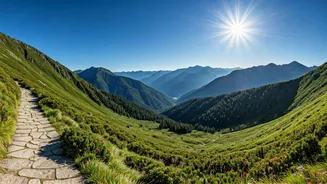
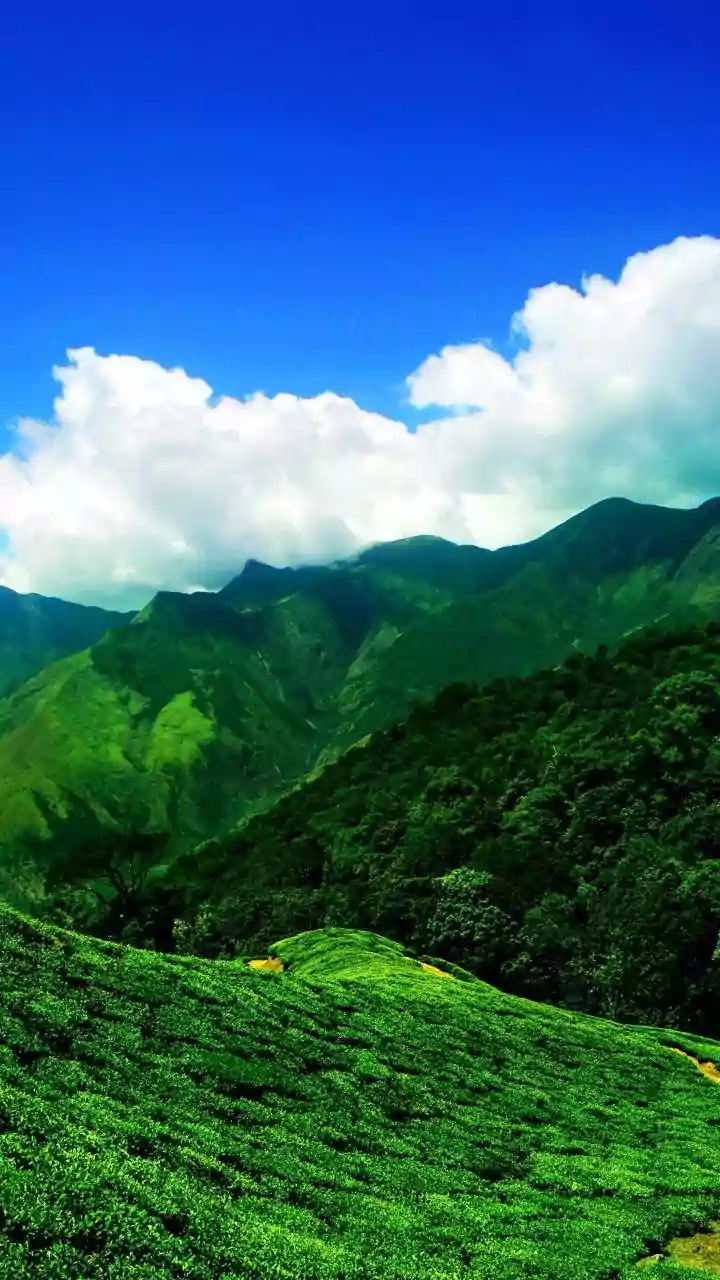
What does this philosophy look like on the ground? For starters, Thimphu is famously one of the only world capitals without a single traffic light. A brief experiment with one was abandoned after public outcry, with citizens preferring the graceful, human choreography of a traffic officer. The city is remarkably clean, with strict anti-littering laws and a complete ban on plastic bags since 1999. Vast areas of the city and its surroundings are green, thanks to a constitutional requirement that at least 60% of the country remains under forest cover for all time. The air feels crisp and clean, a stark contrast to many other South Asian capitals. Pedestrian-friendly zones and a culture of walking further contribute to a sense of calm and human scale.
The New Backpacker Ethos
The term 'backpacker' has evolved. It no longer exclusively means a shoestring budget and party hostels. Today, it increasingly describes a mindset: a traveller who seeks authenticity, cultural immersion, and leaves a minimal footprint. For this new generation of traveller, value isn't measured in the cheapest bed but in the richness and integrity of the experience. This is why Thimphu resonates so strongly. It offers a genuine alternative to the hyper-commercialised tourist trail. The SDF, while a financial hurdle, acts as a filter, attracting visitors who are genuinely interested in Bhutan's culture and environment. They see the fee not as a cost, but as an investment in the very thing they came to experience: a truly sustainable destination.
Eating and Shopping with Intention
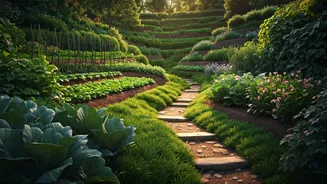
The eco-vibe extends to the local economy. Markets in Thimphu are a celebration of local, seasonal produce, much of it organic. The national cuisine leans heavily on what can be grown in the Himalayan landscape, reducing food miles and supporting local farmers. When it comes to souvenirs, you won’t find endless rows of mass-produced trinkets. Instead, the focus is on traditional craftsmanship. Zorig Chusum, the 'thirteen arts', are actively promoted by the government. Visitors are encouraged to buy high-quality, handmade items like woven textiles, intricate woodwork, and traditional paintings directly from artisans, ensuring that tourist money supports the preservation of cultural heritage and provides a sustainable livelihood for local communities.