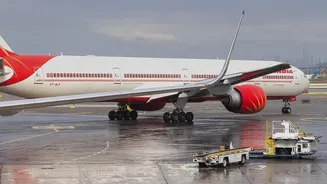







The Direct Hit: Your Flight Ticket
The most significant and immediate impact of oil prices on your travel budget is airfare. Aviation turbine fuel (ATF), or jet fuel, is a direct derivative of crude oil and represents one of the largest operating expenses for any airline, often accounting
for 20-40% of their total costs. When crude oil prices rise on the global market, the cost to produce jet fuel follows suit. Airlines are businesses, and to protect their profitability, they pass this increased cost on to passengers. This often appears on your ticket as a 'fuel surcharge' or 'carrier-imposed surcharge', sometimes listed with the code YQ or YR. This fee is a buffer that airlines use to manage the volatile price of oil without constantly changing their base fares. So, when you see reports of oil prices climbing, you can expect these surcharges, and consequently your total ticket price, to increase in the following months.
Not Just a Surcharge
The impact of fuel costs on an airline ticket can be substantial. For long-haul international flights, fuel can account for as much as 35-45% of the ticket's total price. This is because longer flights consume significantly more fuel. For shorter domestic flights, that figure is typically lower, around 25-35%. This means that sustained high oil prices will have a more noticeable effect on your dream trip to Europe or the United States than on a quick flight from Delhi to Mumbai. However, airlines don't always raise fares immediately. Many use a strategy called 'fuel hedging,' where they purchase fuel months in advance at a fixed price. This can delay the impact of a price spike for six to nine months, but if prices remain high, fare increases are almost inevitable.
On the Ground: Cabs, Buses, and More
The influence of oil prices doesn't stop once you land. Every form of ground transportation, from the airport taxi to the inter-city bus service, runs on fuel derived from crude oil. When oil prices go up, so does the cost of petrol and diesel. This directly increases the operating costs for taxi drivers, ride-hailing services, and bus companies. These costs are eventually passed on to the consumer through higher fares. Even rental car prices can be indirectly affected, as the companies factor in the overall economic environment, including fuel inflation, into their pricing models. A high-oil-price environment makes the entire chain of getting from point A to point B more expensive, adding an often-underestimated cost to your travel budget.
The Invisible Costs: Hotels, Food, and Tours
Beyond transportation, oil prices seep into nearly every corner of the tourism industry. Hotels have significant energy costs, from heating and cooling to running their kitchens and lighting common areas. Much of this energy is generated from sources whose prices are linked to the oil market. Furthermore, the food served in the hotel restaurant, the fresh linens in your room, and the supplies for the swimming pool all have to be transported there, a cost that rises with fuel prices. The same logic applies to tour operators who run buses, boats, and other vehicles. Even the price of a souvenir in a remote tourist spot is influenced by the cost of transporting it there. These are the hidden costs that contribute to a general inflation in travel-related expenses during periods of high oil prices, making your entire vacation more expensive.
Planning a Smarter Trip
While you can't control the global oil market, understanding its impact can make you a smarter traveler. If you hear that oil prices are on a sustained upward trend, it’s wise to book your flights sooner rather than later to lock in fares before airlines fully adjust their pricing. When budgeting, be sure to account for potentially higher costs in ground transportation and daily expenses, not just the flight. Pay attention to the breakdown of your airfare; a high fuel surcharge might explain why a ticket seems expensive even if the base fare is low. In times of falling oil prices, the reverse can be true. Savings may not appear immediately due to hedging, but it can embolden low-cost carriers to offer more competitive fares, creating opportunities for budget-conscious travelers.