


A New Chapter in Flavour
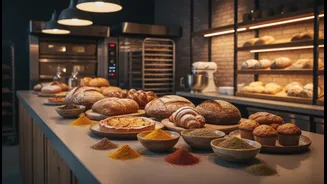
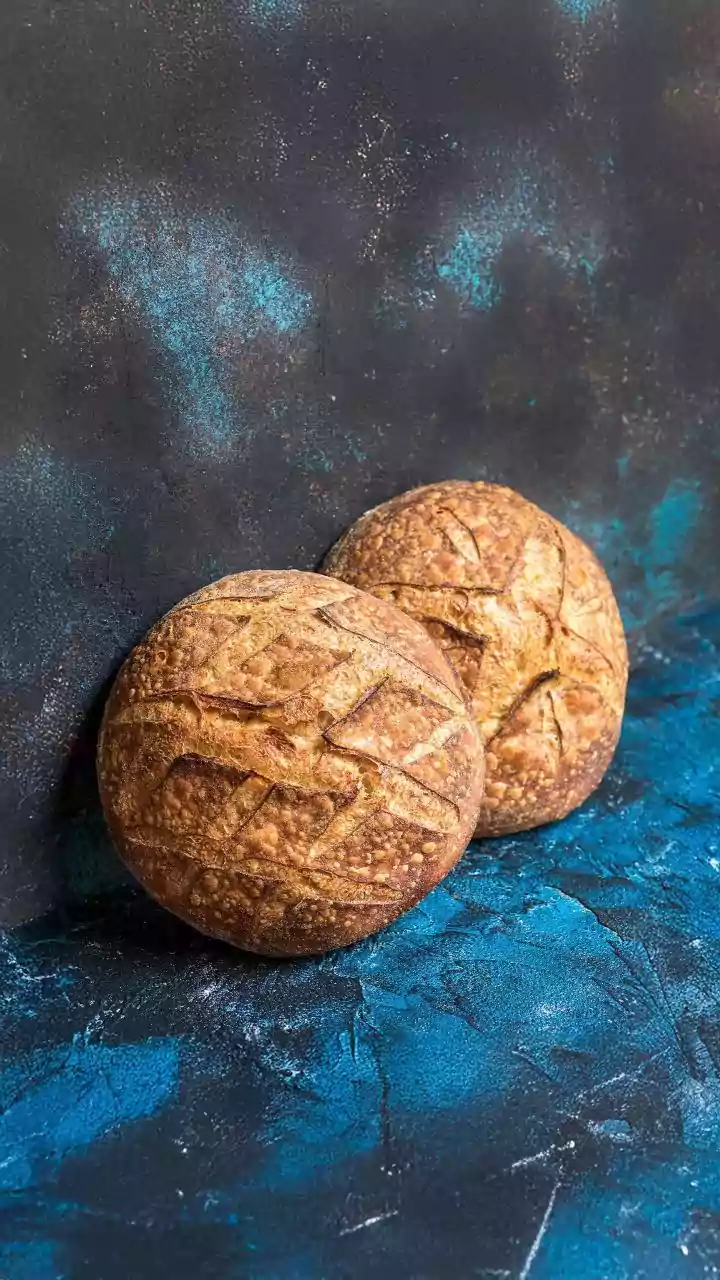
The modern Indian bakery is undergoing a fascinating transformation. While croissants, sourdough loaves, and cupcakes still line the shelves, their flavour profiles are becoming distinctly Indian. We're seeing cardamom-infused coffee cakes, chai masala
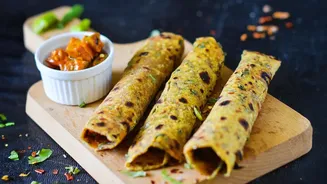
cookies, garam masala spiced bread, and even turmeric-laced loaves. This isn't just a novelty; it's a deliberate move away from the synthetic, often one-dimensional liquid essences and flavour powders that have long been staples of commercial baking. Instead, a growing number of bakers are turning to traditional, stone-ground spice blends. They are rediscovering that these masalas offer a depth and complexity that bottled flavourings simply cannot replicate. This shift brings a new identity to Western-style baked goods, creating a unique fusion that feels both global and deeply rooted in Indian culinary heritage.
The Science of Stone-Grinding
So, what makes stone-ground masalas so different? The magic lies in the method. Traditional stone grinding, using a 'chakki', is a slow, low-RPM process that generates minimal heat. In contrast, industrial machine grinding uses high-speed metal blades that create significant friction and heat, which can reach over 80°C. This heat is the enemy of flavour. It causes the volatile essential oils, which are responsible for a spice's unique aroma and taste, to evaporate. Stone grinding, sometimes called cold grinding, preserves these delicate oils. The result is a spice powder that is not only more aromatic but also retains more of its nutritional and medicinal properties, such as curcumin in turmeric or piperine in black pepper. The slightly coarser, more varied particle size of stone-ground spices also allows flavour to release more gradually during baking, creating a more layered and nuanced taste experience.
Driven by the 'Clean Label' Movement
This embrace of traditional masalas is closely tied to a powerful consumer trend: the demand for 'clean labels'. Urban Indian consumers are more health-conscious than ever, actively reading ingredient lists and rejecting products with artificial additives, preservatives, and chemical-sounding names. They want food made with simple, natural, and easily understandable ingredients—the kind you would find in your own kitchen. Industrial flavourings often come with carriers and additives that don't fit this clean profile. Traditional masalas, on the other hand, are the epitome of a clean ingredient. For bakeries, using authentic spice blends is a powerful marketing tool. It signals transparency, quality, and a commitment to natural ingredients, building trust with a customer base that is increasingly wary of 'health-washing' and ultra-processed foods.
Reclaiming Culinary Identity
Beyond health and flavour, this trend is also about cultural identity. For years, baking in India largely mimicked Western traditions. Now, bakers are using familiar Indian flavours to create products that resonate more deeply with the local palate. Using Goda masala from Maharashtra or a Bengali Bhaja Moshla isn't just about creating a new taste; it's about telling a story and connecting with a shared culinary memory. This approach allows bakeries to differentiate themselves in a crowded market. A sourdough spiced with black pepper and cumin or a cookie infused with the flavours of 'Veppilakatti' from Kerala offers a unique selling proposition that a standard vanilla cookie cannot. It is a celebration of India's diverse spice heritage, reimagined in a modern, accessible format that appeals to a new generation of consumers.
Navigating the Challenges
Of course, making the switch isn't without its challenges. Sourcing high-quality, consistently ground masalas can be more difficult and expensive than buying bulk industrial flavourings. The flavour profile of natural spices can also vary slightly from batch to batch, requiring bakers to be more adaptive. However, the benefits are seen to outweigh the hurdles. The superior flavour, the health appeal, and the authentic story behind the products create a stronger brand and more loyal customers. Some high-end producers are even exploring advanced techniques like cryogenic grinding, where spices are frozen with liquid nitrogen before being milled to preserve even more of their volatile compounds. This fusion of ancient ingredients with modern technology shows the commitment to delivering the best possible flavour.