







Running: The Pavement vs. The Belt
The classic debate for runners often comes down to the road versus the treadmill. Outdoor running offers varied terrain, from hard pavements to softer trails. This variety forces your stabiliser muscles to work harder to adapt to uneven surfaces, potentially
building greater resilience. However, hard surfaces like concrete can increase the stress on your joints. In contrast, a treadmill provides a cushioned, lower-impact surface, which can be a relief for those with joint concerns or those recovering from injury. The machine-driven belt also helps maintain a consistent pace, making treadmills excellent tools for structured speed work and interval training. But this consistency can be a drawback, as it doesn't fully prepare you for the variable conditions of an outdoor race.
The Mental Race: Stimulation vs. Focus
Beyond the physical, the mental game differs significantly. Running outdoors provides a constant change of scenery, fresh air, and exposure to natural light, which studies suggest can boost mood, reduce stress, and increase energy levels. This connection with nature can make exercise feel less like a chore and more like an escape. On the other hand, treadmill running can feel monotonous, with many runners citing boredom as a major downside. However, the indoor environment offers a different kind of mental space—one free from distractions like traffic or changing weather. This allows for a focused, meditative state where you can concentrate purely on your form, breathing, and the data on the console, such as pace and heart rate.
Swimming: Open Water vs. The Pool Lane
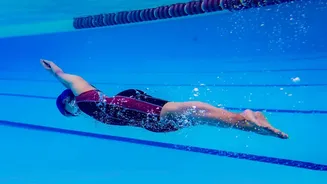
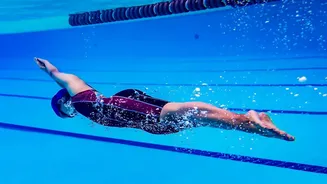
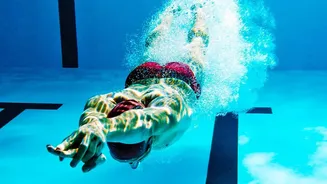
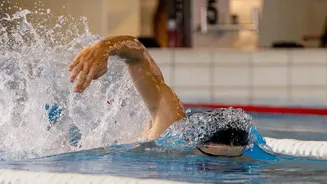
For swimmers, the choice between open water and a pool is a tale of two completely different worlds. A swimming pool is a controlled environment: the water is clear, the temperature is consistent, and the black line on the bottom provides a constant guide. This makes it the ideal setting for refining technique, practicing turns, and building foundational endurance. Open water—be it a lake, river, or the sea—is defined by its unpredictability. You'll contend with waves, currents, and variable water temperatures, all of which demand greater stamina and adaptability. Saltwater provides more buoyancy, making it easier to float, but freshwater is less buoyant, requiring more effort to stay on top of the water. This wild environment trades the precision of the pool for an unparalleled sense of freedom and connection with nature.
Technique, Safety, and Sighting
The differences in setting demand different skills and safety precautions. In open water, there are no walls to push off from or rest at, meaning swims are often longer and uninterrupted, building immense stamina. The key skill is 'sighting'—periodically lifting your head to spot a landmark to stay on course, as there's no black line to follow. Safety is also a major consideration. Open water can hide hazards like rocks, currents, and boat traffic, and cold water can be a shock to the system. It is always recommended to swim with a buddy, use a brightly coloured tow float for visibility, and enter the water gradually. In contrast, pools are significantly safer, often monitored by lifeguards and free of hidden dangers, making them the perfect place for beginners to build confidence.
Which Environment Is Right for You?
Ultimately, the best environment depends entirely on your personal goals and preferences. If you are training for a 10K race, spending time running outdoors is essential to prepare your body for the specific demands of the event. If your main goal is cardiovascular fitness in a controlled, low-impact setting, the treadmill is an excellent choice. Similarly, if you're a competitive swimmer or focused on perfecting your stroke, the pool is indispensable. But if you crave adventure and want to build mental resilience and endurance for a triathlon, open water is where you'll thrive. Many athletes find that a hybrid approach offers the best of both worlds: using indoor settings for structured, focused workouts and heading outdoors for variety, mental release, and real-world conditioning.