




Cosmic Debris from a Famous Comet
The Orionid meteor shower is an annual event that occurs when Earth passes through the stream of debris left behind by Comet 1P/Halley. While Halley's Comet itself only visits the inner solar system every 76 years—its next appearance isn't until 2061—it
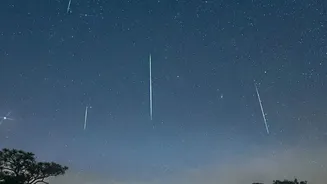
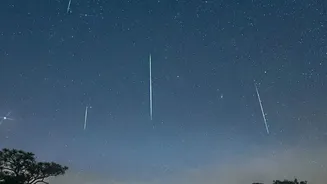
leaves behind a trail of ice and dust. When these tiny particles, some no bigger than a grain of sand, hit our atmosphere at tremendous speeds, they burn up and create the spectacular streaks of light we call meteors. The Orionids are known for being particularly fast, and can sometimes leave glowing 'trains' that linger for a few seconds after the meteor has vanished.
Peak Viewing Dates and Times
In 2026, the Orionid meteor shower will be active from early October to early November. The peak, when the most meteors are expected, will occur on the night of October 21-22. Under ideal conditions, viewers in a dark location can expect to see around 15 to 20 meteors per hour. The best time for viewing is typically in the hours before dawn. This is because after midnight, your location on Earth is rotating into the direction of the meteor stream, meaning you're hitting the debris field head-on.
The Forecast: Moon vs. Meteors
This is where checking a forecast becomes critical. For the 2026 peak, the Moon will be in a waxing gibbous phase, meaning it will be bright and visible for much of the night. This bright moonlight will wash out the fainter meteors, significantly reducing the number you can see. However, all is not lost. On the peak mornings of October 21-22, the bright moon is expected to set around 3 a.m. local time. This creates a crucial, dark window of opportunity between moonset and the beginning of dawn twilight. Your best chance for a great show is to plan your viewing for these pre-dawn hours.
Finding the Right Spot and Looking Up
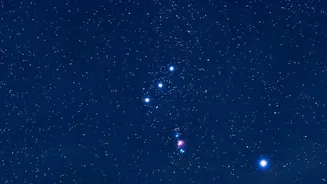
The most important 'forecast' to check after the Moon is your local weather. A clear, cloudless sky is essential. Your next task is to escape light pollution. The bright glow from cities and towns can obscure all but the brightest meteors. Try to find a location at least a 30-minute drive away from city limits, such as a large park or rural area with a wide-open view of the sky. The meteors will appear to radiate from the constellation Orion, but they can streak across any part of the sky. You don't need a telescope or binoculars; your naked eyes are the best tool. Simply lie back on a blanket or reclining chair and look up.
Your Stargazing Checklist
A little preparation goes a long way. First, give your eyes about 20-30 minutes to fully adjust to the darkness; avoid looking at your bright phone screen. Next, think about comfort. October nights can be chilly, so dress in warm layers and bring blankets or even a sleeping bag. A reclining lawn chair is more comfortable than craning your neck for long periods. Consider packing a thermos with a warm beverage and some snacks. Finally, the most important item to bring is patience. Meteor watching is a waiting game. There can be lulls in activity followed by several streaks in quick succession. Relax and enjoy the quiet grandeur of the night sky.