




The Dark Matter: What is Charcoal Ice Cream?
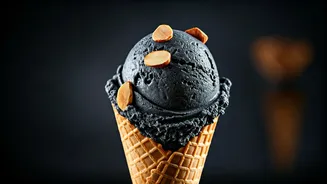
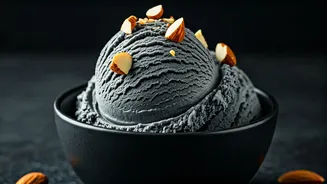
At its core, charcoal ice cream is a standard frozen dessert given a gothic makeover with one key ingredient: activated charcoal. [2, 13] This isn't the same stuff you'd find in your barbecue. The ingredient used in food is 'activated,' meaning it's been
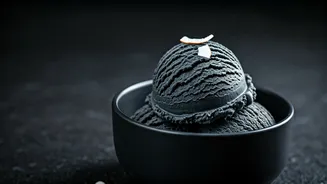
heated at very high temperatures, often with steam, to increase its surface area and create millions of tiny pores. [15, 24] Most often, the source is natural materials like coconut shells, which are burned into a fine, black, odorless powder known as coconut ash. [2, 17, 22] This powder is then mixed into an ice cream base, turning it a deep, inky black without needing artificial dyes. [11]
An Instagram Sensation
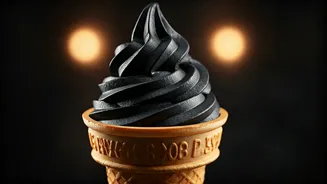
The primary driver of charcoal ice cream's viral fame is its stunning visual appeal. [2, 19] In a food culture dominated by social media, a dessert that is naturally jet-black is an instant scroll-stopper. [11] It’s a dramatic statement, often marketed as the 'goth' alternative to the colourful unicorn and rainbow food trends that have also populated platforms like Instagram and TikTok. [14, 16] Ice cream shops from New York to Los Angeles quickly found that the unique, moody aesthetic of black ice cream served in a black cone was a powerful marketing tool, drawing in customers eager to capture the perfect, shareable photo. [2, 19]
What Does It Actually Taste Like?
Despite its intense appearance, activated charcoal is virtually tasteless and odorless. [2] Its main purpose in ice cream is for color, not flavor. [13] This allows the actual flavor of the ice cream base to take center stage. Popular pairings include coconut, vanilla, and black sesame. [2, 13] Some people report a very subtle, slightly gritty or chalky texture, but for the most part, the experience is that of the base flavor. [5, 2] One of the first viral versions, from a shop in New York, was a coconut-ash flavor made with coconut cream, coconut milk, and coconut flakes, creating an intense coconut taste where the ash was purely for visual effect. [18]
The Big Health Question: Is It Safe?
This is where the trend gets complicated. Activated charcoal has a long history of use in medical settings, specifically in emergency rooms to treat certain types of poisoning and drug overdoses. [3, 6] Its incredibly porous surface works through a process called adsorption, where it effectively traps certain toxins and chemicals in the gut, preventing them from being absorbed into the bloodstream. [3, 21] The charcoal itself isn't absorbed by the body; it passes through and is excreted. [3, 6] However, its binding power isn't selective. It can’t tell the difference between a toxin, a nutrient, or a vital medication. [4]
A Warning Before You Indulge
The main risk of eating activated charcoal is its potential to interfere with medications. [1, 7] It can bind to a wide range of drugs—including antidepressants, blood pressure medication, and even oral contraceptives—and reduce their effectiveness by preventing your body from absorbing the proper dose. [1, 10] For this reason, experts advise against consuming activated charcoal within a few hours of taking any medication. [8] While the amount in a single scoop of ice cream is likely small and generally considered safe for occasional consumption by healthy individuals, it's not a health food. [4, 7] Claims of it being a 'detox' in food are largely unsubstantiated, as our liver and kidneys already do that job effectively. [4, 15]