




The Sweet Spot of Accessibility
A major driver of this trend is simply getting there. India's rapidly expanding highway network has drastically cut down travel time between cities. An Uber Intercity travel report from summer 2026 highlighted that while major metro routes remain popular,
the fastest growth is coming from regional corridors connecting Tier 2 cities and leisure destinations. Routes like Delhi-Dehradun, Chennai-Puducherry, and Bengaluru-Mysuru are booming. This improved infrastructure makes a spontaneous three-day trip not just possible, but convenient, turning what was once a tiring overnight journey into a smooth drive. For young professionals juggling tight schedules, the ability to leave on a Friday evening and be back by Sunday night without the hassle of airports is a significant draw.
Affordable Luxury and Smarter Spending
Let's face it: budgets matter. Getaways near Tier 2 cities offer a compelling value proposition. Travellers are finding that they can access high-quality experiences, from boutique stays to artisanal food, at a fraction of the cost of major tourist hubs like Goa or Shimla. The rise of luxury homestays and curated villas in these areas provides a taste of exclusivity without the five-star price tag. Accommodation in a heritage haveli or a well-appointed villa near cities like Udaipur, Mysuru, or Nashik can be surprisingly affordable, allowing young planners to enjoy premium experiences more often. This aligns with a broader shift where millennials and Gen Z prioritise spending on experiences over material goods.
Escaping the Over-Tourism Trap
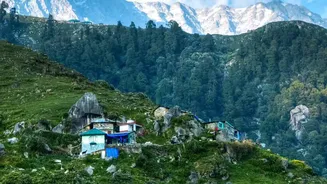
There's a growing fatigue with overcrowded destinations. The endless traffic jams, packed viewpoints, and long queues at popular spots in mainstream tourist towns are leading many to seek quieter alternatives. Destinations around Tier 2 cities offer a respite from this chaos. Places like Tirthan Valley in Himachal Pradesh, Gokarna in Karnataka, or Majuli in Assam provide a more serene environment. A 2025 travel prediction report noted that over 45% of Indian travellers are now actively prioritising unique and less crowded destinations. This quest for peace and quiet is a direct reaction to the 'tourist trap' phenomenon, pushing explorers towards undiscovered gems where they can genuinely relax and disconnect.
The Search for Authentic Experiences
Modern travel is increasingly about connection and authenticity. Young Indians are moving beyond sightseeing to engage meaningfully with the local culture, food, and people. This is where 'micro-tourism'—short, localised, and immersive travel—shines. Instead of generic hotel buffets, they're exploring local food trails in Lucknow or trying authentic Karimeen Pollichathu in a Kumarakom homestay. The rise of experiential stays, such as farmhouses and heritage properties, allows travellers to participate in artisan workshops or learn about local traditions firsthand. This desire for a genuine connection to a place is something that smaller, less commercialised destinations are perfectly positioned to offer.
The 'Work from Anywhere' Revolution
The normalisation of remote and hybrid work has been a game-changer for travel. An estimated 4.8 million Indians now work remotely full-time, blurring the lines between work and leisure. This has fuelled the 'workation' trend, where professionals extend their stays, combining workdays with exploration. Tier 2 locations, with their improved digital infrastructure and peaceful settings, are ideal for this. Travel platforms have seen a significant increase in long-stay bookings (7+ nights) in places like Coorg and Nainital, as digital nomads set up temporary offices with a view. This flexibility allows for more frequent getaways, making the long weekend trip a regular part of their lifestyle rather than a rare treat.