






What is the Monsoon Retreat?
The monsoon retreat, or withdrawal, is a gradual process where the moisture-laden southwesterly winds that bring rain to the subcontinent begin to pull back. The India Meteorological Department (IMD) officially declares the withdrawal based on a specific
set of criteria. These include a cessation of rainfall for five consecutive days, a significant drop in moisture content in the atmosphere, and the establishment of an anticyclone—a high-pressure system that brings stable, dry air—in the lower atmosphere. This process doesn't happen all at once; it's a staggered retreat that typically starts in the northwestern parts of the country and moves southeast over several weeks.
The 2026 Withdrawal Forecast
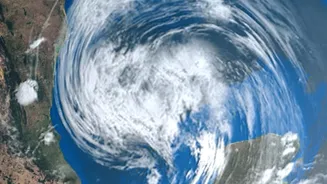
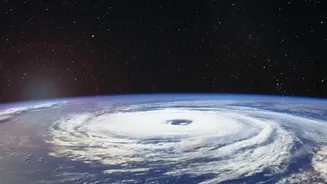
While satellite images on September 8th showed strikingly clear skies over much of northwest and central India, the IMD has clarified that the official withdrawal has not yet begun. Forecasts from multiple weather models, including the European Centre for Medium-Range Weather Forecasts (ECMWF), suggest that conditions will become increasingly favorable for the retreat in the second half of September. The formal process is expected to start from parts of northwest India after September 15th, with a key feature—the monsoon withdrawal anticyclone—likely strengthening over the region around September 21. This timeline aligns with earlier predictions that the withdrawal would be near-normal, potentially starting around September 17.
Clearer Skies for North and West India First
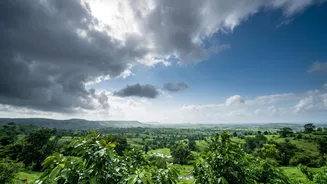
The first regions to experience this shift will be in North and Northwest India. States like Rajasthan, Punjab, Haryana, Gujarat, and the Delhi-NCR are expected to see a significant reduction in rainfall. Strong, dry northwesterly winds are forecast to move into the region, pushing out the moist monsoon air. This will lead to a noticeable change in daily weather, bringing back clear blue skies, bright sunshine, and lower humidity. While days might feel warmer, nights are expected to become cooler, creating the pleasant post-monsoon climate that this region is known for from October to March.
What This Means for Your Outdoor Plans
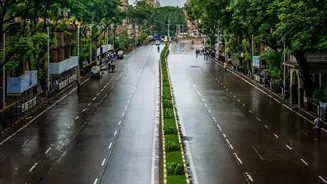
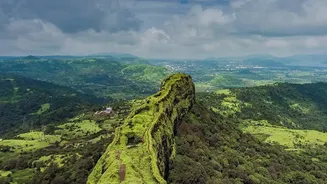
For residents in these areas, the change is a welcome signal to resume outdoor activities. The unpredictable downpours that can disrupt travel and events will become far less frequent. It’s an ideal time for weekend getaways, trekking in freshly green landscapes, and visiting parks and monuments. The clearer, less humid weather is perfect for everything from simple nature walks and boating to more adventurous activities like camping. With the festive season approaching, the stable weather also provides a more reliable backdrop for outdoor celebrations and gatherings that are a hallmark of Indian culture in the autumn months.
A Word of Caution: Not a Total Dry-Out
It's important to remember that the monsoon's retreat from one area doesn't mean the end of rain for the entire country. The withdrawal is a staggered process. While the north and west become drier, eastern and central states like Uttar Pradesh, Bihar, and Madhya Pradesh may still experience heavy rainfall. Furthermore, the complete withdrawal from the southern peninsula often doesn't happen until after October 1st. This period also marks the transition to the Northeast Monsoon (or 'retreating monsoon'), which brings significant rainfall to southeastern states like Tamil Nadu. So, while many can look forward to sunnier days, it’s always wise to check local forecasts before making plans.