

Panch Phoron: The Five-Seed Blend of the East
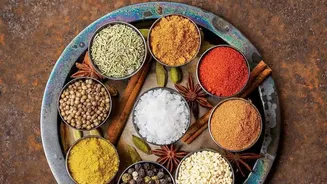
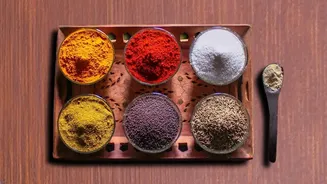
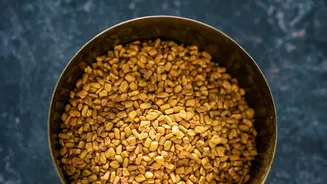
Panch Phoron, meaning 'five spices' in Bengali, is a unique whole-seed blend from Eastern India and Bangladesh. It typically contains equal parts fenugreek, nigella, cumin, black mustard, and fennel seeds. Unlike powdered masalas, these seeds are left
whole and are usually the first thing to hit the hot oil in a pan, a technique called tempering or 'tadka'. As they pop and sizzle, they release a complex aroma—bitter from fenugreek, sweet from fennel, pungent from mustard, and earthy from cumin. This blend is the soul of many Bengali dishes, including dals, vegetable curries like 'shukto', and pickles. Its beauty lies in the way the five distinct flavours meld into a harmonious whole without being ground together.
Sambar Powder: The Heart of South Indian Stews
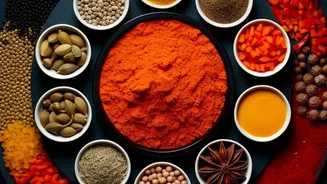
No South Indian kitchen is complete without Sambar Powder, the foundational spice mix for the iconic lentil and vegetable stew, sambar. While recipes are treasured and vary by household, the core ingredients are roasted lentils (like chana and urad dal), coriander seeds, red chillies, cumin, black pepper, fenugreek, and turmeric. The spices are carefully roasted until aromatic before being ground into a fine powder. This process creates a robust, earthy, and fragrant blend that gives sambar its signature depth and colour. Beyond sambar, this versatile powder adds a distinctive South Indian flavour to other vegetable preparations, stir-fries, and rice dishes.
Chaat Masala: The Tangy Finishing Touch
If you've ever wondered what gives Indian street food, or 'chaat', its addictive, lip-smacking quality, the answer is often Chaat Masala. This is a finishing spice, sprinkled on dishes right before serving for maximum impact. Its dominant flavour profile is tangy and a little funky, thanks to its key ingredients: amchur (dried mango powder) and kala namak (black salt). These are balanced by cumin, coriander, black pepper, and sometimes mint or ginger. The name itself comes from 'chaatna', meaning 'to lick'. A pinch of Chaat Masala can transform anything from a simple fruit salad to fried snacks, dahi (yogurt), and grilled dishes, providing a burst of sour, salty, and spicy notes all at once.
Goda Masala: The Gentle 'Sweet' Blend of Maharashtra
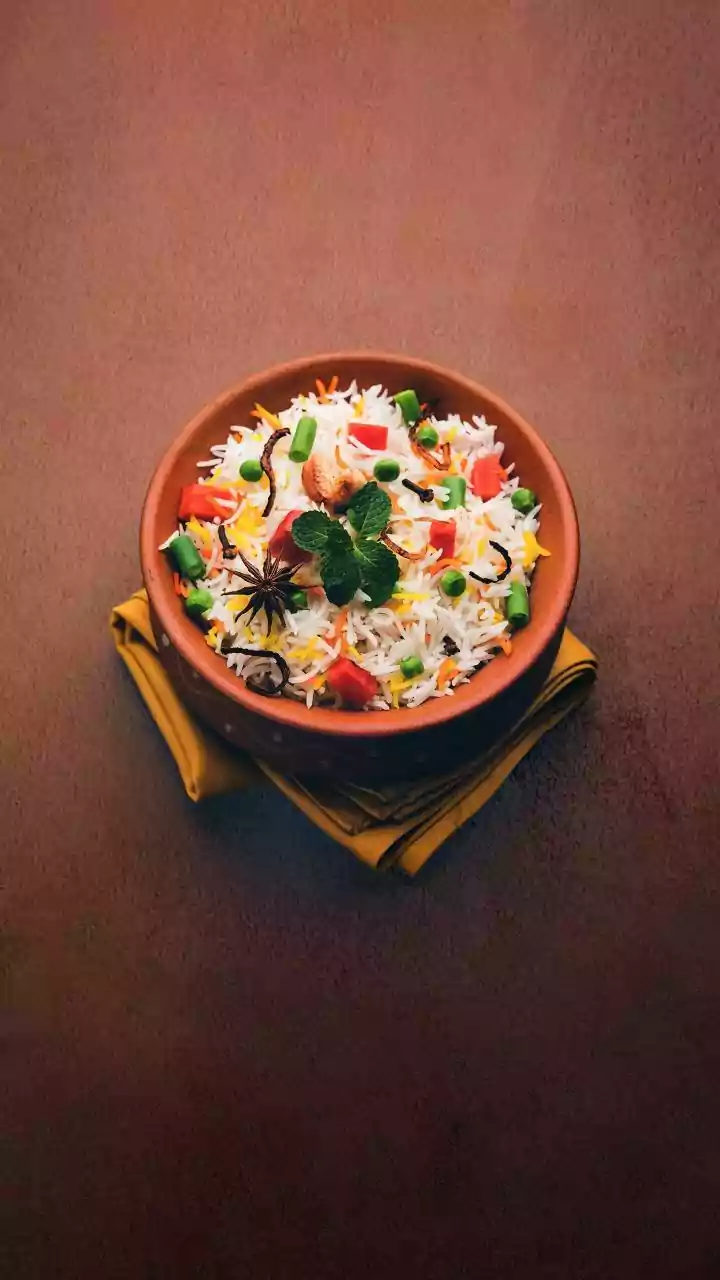
From the western state of Maharashtra comes Goda Masala, a deeply aromatic and complex blend that is more about fragrance than fire. The word 'goda' means sweet in Marathi, but this refers to its mild, rounded flavour profile, not a sugary taste. It's made by slow-roasting a long list of spices, which often includes coriander, cumin, sesame seeds, and dried coconut, along with distinctive ingredients like 'dagad phool' (stone flower) and 'nagkesar' (cobra's saffron). The slow roasting gives it a nutty, slightly smoky character. Goda Masala is the signature flavour in many classic Maharashtrian dishes such as masale bhaat (spiced rice), amti (a tangy dal), and various vegetable curries.
Garam Masala: The Quintessential Warming Blend
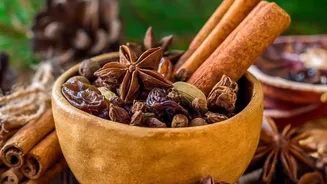
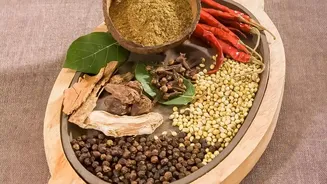
Perhaps the most famous Indian spice blend, Garam Masala translates to 'warm spice mix'. This name doesn't refer to spiciness but to the traditional Ayurvedic belief that its component spices generate warmth in the body. The blend varies dramatically across regions and households, but it is typically a finishing spice, added at the end of cooking to preserve its potent aroma. Common ingredients include cinnamon, mace, cloves, cardamom, nutmeg, and black pepper, which are toasted and ground. Unlike many other masalas, it doesn't usually contain coriander or cumin as a base. It's a highly concentrated blend used in small quantities to add a final layer of fragrant complexity to North Indian curries, lentil dishes, and soups.