





Choose Your Destination Wisely
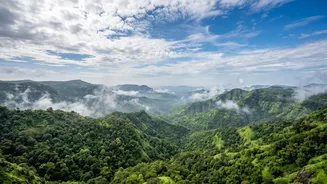
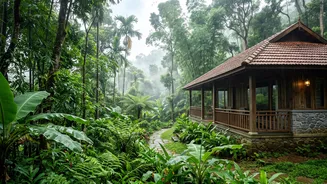
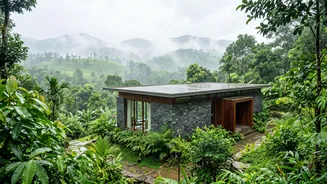
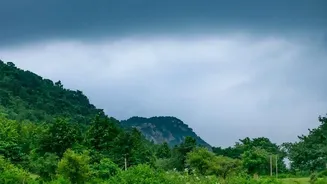
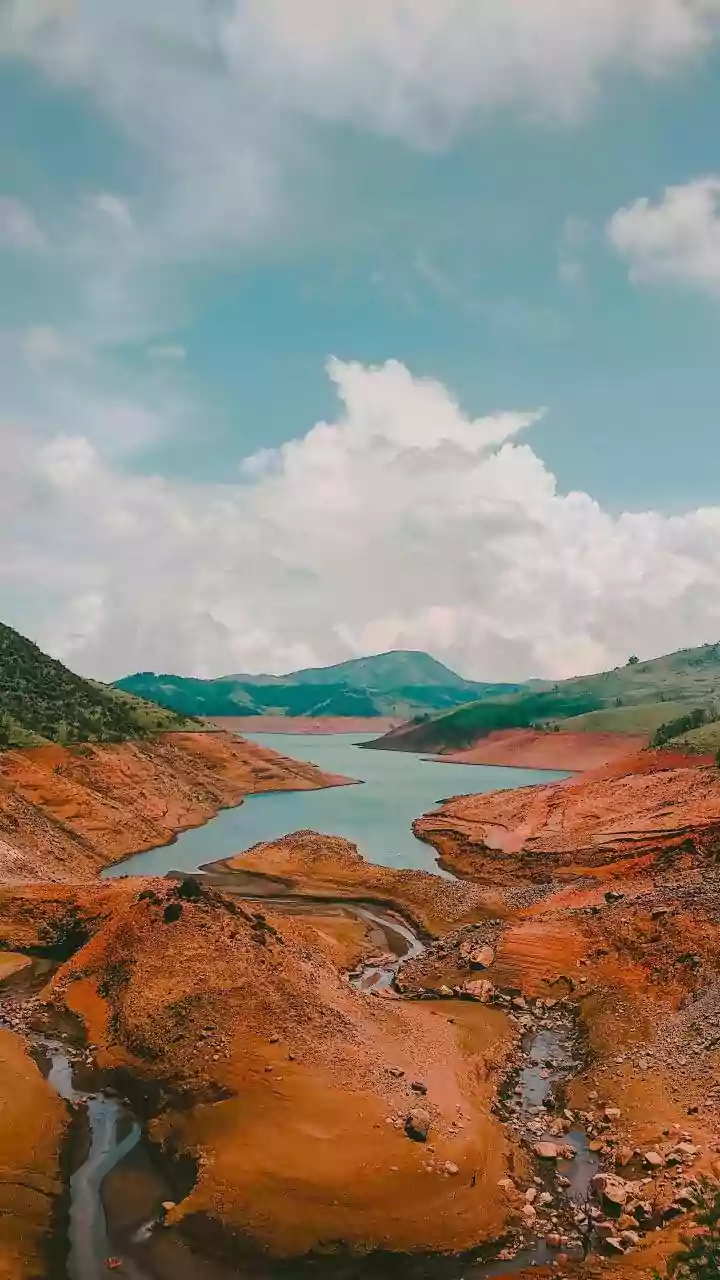
Not all destinations are created equal during the monsoon. While some regions become prone to landslides and flooding, others come alive. Consider the Western Ghats, where places like Coorg, Munnar, and Wayanad burst into vibrant green. The coffee plantations
in Coorg are a sensory delight, and the tea gardens of Munnar are shrouded in romantic mist. Rajasthan, which receives minimal rainfall, offers a chance to see its majestic forts and palaces without the usual crowds and scorching heat. However, it's wise to avoid trekking in the higher Himalayas, as many trails become unsafe. Always check local weather advisories and avoid areas with active heavy rainfall alerts before booking.
Pack Smarter, Not Heavier
Monsoon packing is a strategic exercise in staying dry and comfortable. Leave the cotton jeans and canvas shoes at home; they absorb moisture and take ages to dry in the high humidity. Instead, opt for lightweight, quick-drying synthetic fabrics like polyester. A reliable waterproof rain jacket is more practical than an umbrella, which can be useless against strong winds. For footwear, waterproof sandals with a good grip are ideal for navigating wet and slippery streets. Other essentials include a waterproof cover for your backpack, dry bags or zip-lock pouches to protect electronics and documents, and a powerful insect repellent to guard against mosquitoes.
Embrace a Flexible Itinerary
The single most important rule of monsoon travel is to expect the unexpected. Heavy downpours can lead to sudden flight delays, waterlogged roads, and train cancellations. Treating the rain as a minor inconvenience is a mistake; it's a core factor that can change your plans in an instant. Build buffer days into your schedule to accommodate potential disruptions. Avoid packing your itinerary too tightly. Booking flights and hotels with flexible or refundable options is a smart investment, even if it costs slightly more upfront. This gives you the freedom to change your plans based on weather conditions without losing money.
Prioritise Health and Safety
The rainy season brings an increased risk of water-borne and mosquito-borne diseases like dengue and malaria. Prioritise hygiene by drinking only bottled or purified water and avoiding street food, especially items that have been sitting out. Carry a basic first-aid kit with essentials like antiseptic wipes, bandages, and medication for stomach upsets. Antifungal powder can also be a lifesaver in the humid conditions. When on the road, exercise extra caution. Avoid driving at night during heavy rain, maintain a safe distance from other vehicles, and never attempt to cross flooded roads.
Find the Silver Lining in Delays
A delayed train or a rainy afternoon spent indoors doesn't have to be a wasted day. The slower pace is part of the monsoon experience. Use downtime to your advantage. It’s the perfect opportunity to read a book, plan the next leg of your journey, or simply enjoy a hot cup of tea while watching the rain. Many travellers find that the monsoon season allows for a more authentic experience, with fewer crowds and lower prices for accommodation. A flexible mindset allows you to appreciate these quieter moments, turning a potential frustration into a peaceful and memorable part of your trip.