







Why the Balcony is the New Farm
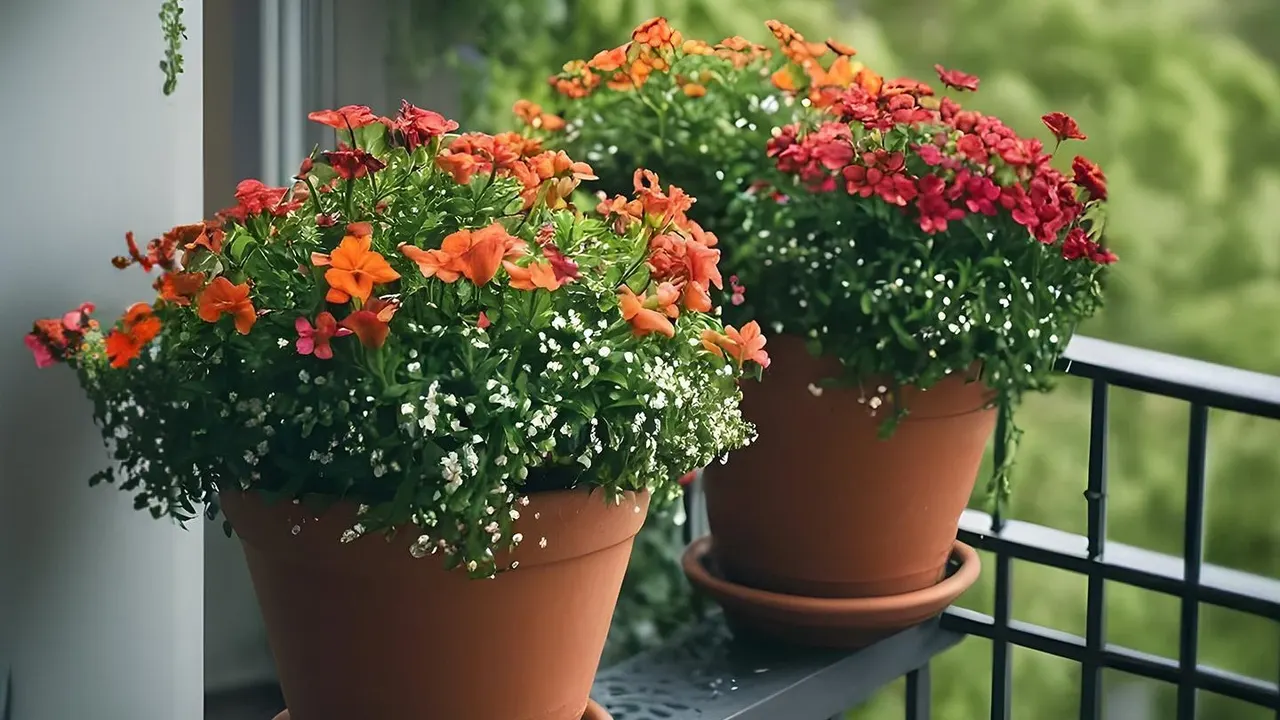
The desire for a deeper connection with our food, combined with the therapeutic joy of gardening, is driving this urban trend. A balcony kitchen garden offers a simple solution to several modern-day concerns. It provides easy access to fresh, pesticide-free
herbs and vegetables, which are often more nutritious than their store-bought counterparts. This practice reduces reliance on packaged goods, lowers your carbon footprint by eliminating food miles, and offers a significant mental health boost. The act of nurturing a plant from seed to harvest is known to reduce stress and provides a rewarding sense of accomplishment. During the monsoon, the cooler temperatures, abundant natural water, and high humidity create a perfect, forgiving environment for many plants to thrive, making it an ideal time for beginners to start.
Your Monsoon Starter Pack: What to Grow
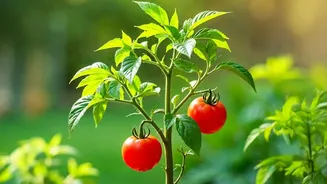
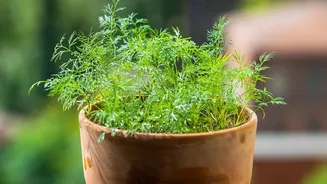
The monsoon is particularly kind to leafy greens and fast-growing vegetables. For a beginner’s balcony garden, it’s best to start with plants that love moisture and don't require intense sunlight. Excellent choices include herbs like mint (pudina), holy basil (tulsi), and coriander (dhania), which grow vigorously this season. For vegetables, consider planting okra (bhindi), spinach (palak), amaranth (chauli), and various gourds like ridge gourd or bottle gourd if you have space for them to climb. Climbing plants like butterfly pea (aparajita) not only add beauty but also provide edible flowers. Even tomatoes and chillies can do well, provided you protect them from very heavy downpours. Starting with a few of these resilient plants can build your confidence as a gardener.
Essential Tips for a Thriving Monsoon Garden
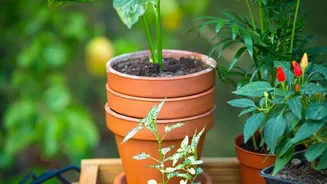
Success during the monsoon hinges on managing one key element: water. While the rains are a blessing, too much can be a problem. The single most critical factor is ensuring excellent drainage. Choose pots with plenty of drainage holes and consider placing a layer of broken terracotta pieces or gravel at the bottom before adding soil. Elevating pots on stands or bricks can also prevent them from sitting in puddles of water. It is a common mistake to continue a regular watering schedule; always check if the top inch of soil is dry before watering. High humidity can also invite pests and fungal diseases. Ensure there's good air circulation between your plants by not overcrowding them and regularly prune any yellowing leaves or overgrown stems. A light, well-aerated soil mix, perhaps with added sand or coco peat, will keep the roots healthy and prevent compaction from heavy rains.
Reaping the Delicious Rewards
The payoff for your efforts extends far beyond a decorative balcony. There is a unique satisfaction in snipping fresh mint for your evening chai or tossing a salad with lettuce harvested just moments earlier. Home-grown produce is not only fresher but often tastes more flavourful. This hands-on connection to your food source can transform your relationship with cooking and eating, encouraging healthier habits for the whole family. Furthermore, your green corner acts as a natural air purifier and cools the immediate surroundings. It’s a small but powerful way to bring a slice of nature into your urban life, creating a personal oasis of calm and a constant supply of the freshest ingredients for your kitchen.