



What Exactly Is Sattu?
Sattu is a flour made from roasted grains, most commonly Bengal gram (chana). This isn't the same as besan (gram flour), which is made from raw, unroasted chickpeas. The roasting process gives sattu a distinct nutty flavour, a longer shelf life, and makes
it easier to digest. For generations, it has been a staple in parts of India, particularly Bihar and Uttar Pradesh, valued for being an affordable and nutrient-dense source of energy. Often called the 'poor man's protein', its impressive nutritional profile is now gaining attention from the global health and wellness community.
The Science of Post-Workout Recovery
After a strenuous workout, your body needs to accomplish two main things: repair the microscopic tears in your muscle fibres and replenish its energy stores (glycogen). This is where protein and carbohydrates come in. Protein provides the essential amino acids needed for muscle repair and growth, while carbohydrates are crucial for refilling depleted glycogen levels, ensuring you have energy for your next session. A post-workout meal that combines both of these macronutrients within a reasonable time after exercise can significantly enhance recovery, reduce muscle soreness, and support fitness gains.
Sattu: A Post-Workout Powerhouse
Sattu is uniquely suited for post-workout nutrition. A 100-gram serving can contain an impressive 20-26 grams of plant-based protein, making it comparable to many commercial protein powders. This protein, which includes crucial amino acids, aids directly in muscle synthesis and repair. Alongside protein, sattu is rich in complex carbohydrates, which provide a steady release of energy to replenish glycogen stores without causing a sudden blood sugar spike, thanks to its low glycemic index. It is also packed with dietary fibre for better digestion and essential minerals like iron, magnesium, and potassium, which help with everything from oxygen transport to preventing muscle cramps.
How to Build the Perfect Sattu Bowl
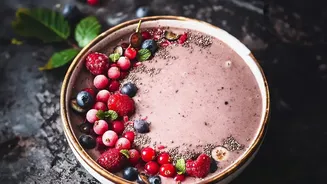
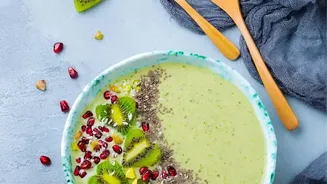
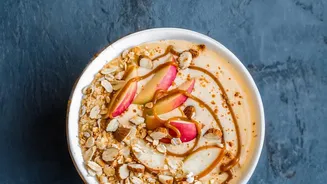
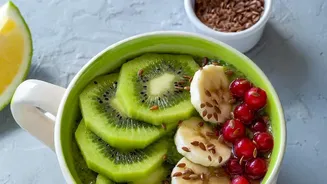
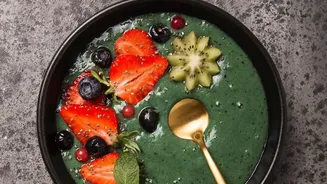
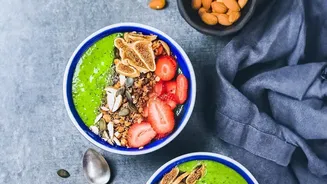
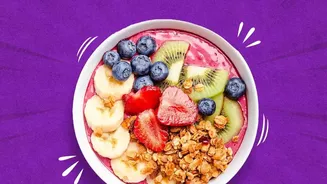
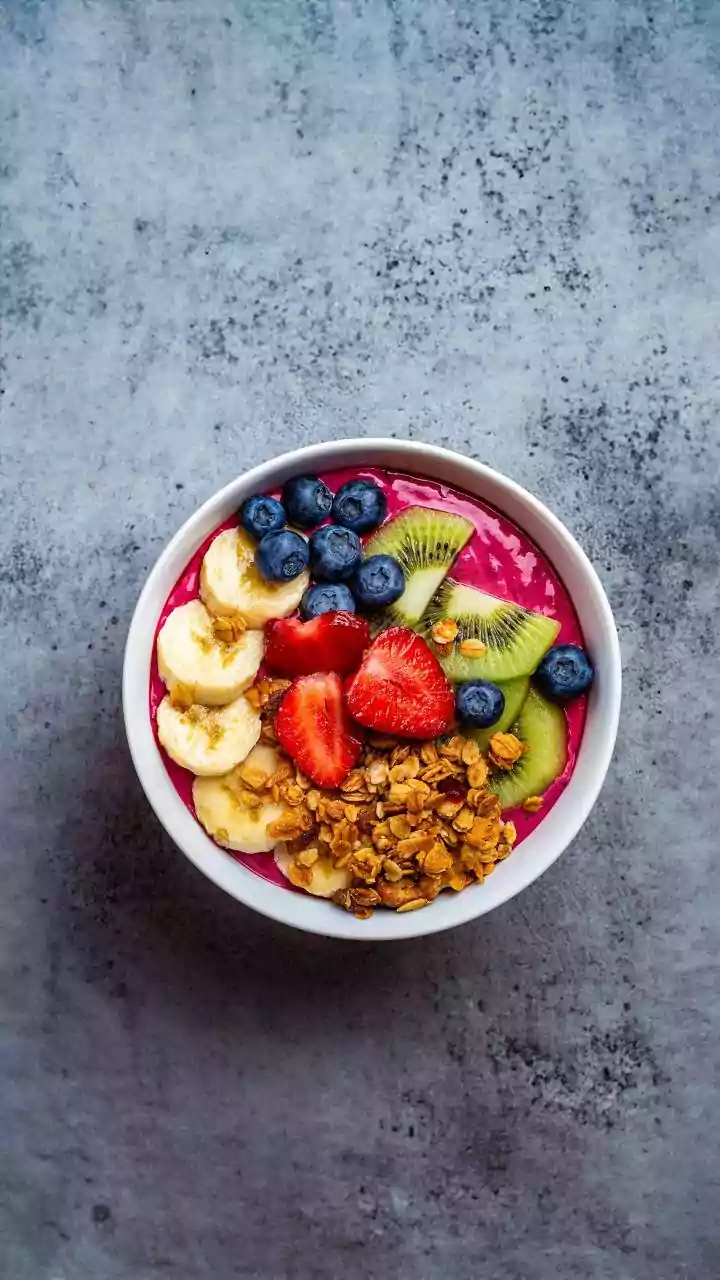
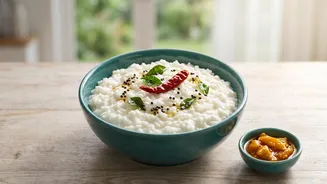
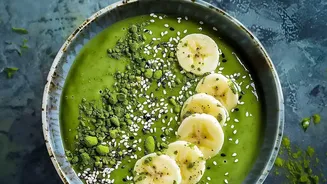
Moving beyond the traditional sattu drink, a sattu bowl offers a satisfying, meal-like way to refuel. It's incredibly versatile and easy to assemble. Start with a base of sattu porridge, then layer on toppings for added nutrients and flavour. To make the base, simply mix 4-6 tablespoons of sattu with milk (dairy or plant-based) or curd until you reach a thick, porridge-like consistency. You can sweeten it naturally with a little jaggery or honey. From there, customize your bowl: - Add Fruit: Sliced bananas, mangoes, or berries add natural sugars for quick glycogen replenishment and vitamins. - Boost with Healthy Fats: A sprinkle of chopped nuts like almonds and walnuts or seeds like flax and chia adds texture and omega-3s to help reduce inflammation. - Enhance with Spices: A pinch of cardamom or cinnamon can elevate the flavour and offer additional health benefits.
Beyond the Bowl: Other Ways to Use Sattu
The versatility of sattu doesn't end with bowls. It can be easily integrated into your diet in numerous delicious ways. A classic post-workout option is a sattu shake or smoothie—simply blend sattu with milk or water, a banana, and a touch of honey for a quick recovery drink. For a savoury twist, you can make sattu parathas or cheelas (savoury pancakes) by mixing the flour with spices, chopped onions, and herbs. You can even roll sattu mixed with ghee and jaggery into nutritious energy balls for a quick, on-the-go snack. This adaptability makes it simple to make sattu a regular part of your fitness-focused diet.