





The New 'Adda' Culture
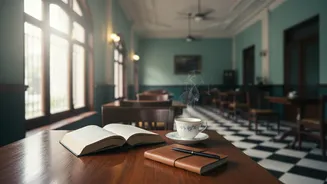
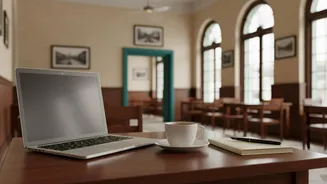
Step inside the hallowed halls of College Street's Indian Coffee House, and you'll find a scene that is both timeless and strikingly modern. For decades, this institution has been the epicentre of 'adda'—passionate, freewheeling conversations among students,
intellectuals, and artists like Satyajit Ray and Amartya Sen. The high ceilings, whirring fans, and uniformed waiters remain, but today, the hum of debate is punctuated by the quiet clatter of laptop keyboards. Young professionals, armed with MacBooks and smartphones, now occupy tables that once hosted revolutionaries and poets. This isn't just happening at the Coffee House. Across the city, from the legendary Flurys on Park Street to newer establishments in restored mansions, a cultural shift is underway. The modern workday has found an unlikely, yet perfect, home in the city’s most storied spaces.
The Great Homecoming
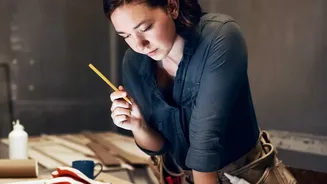
The catalyst for this revival is the widespread adoption of remote and hybrid work models. For years, Kolkata's youth often migrated to IT and finance hubs like Bengaluru, Mumbai, or Delhi for career opportunities. The post-pandemic normalisation of working from anywhere has changed that calculus. Many young professionals are now choosing to stay in or return to their home city, drawn by family ties, a lower cost of living, and a familiar cultural fabric. This digital workforce, untethered from a physical office, needs a 'third place'—somewhere between home and a corporate building—to work, connect, and find inspiration. The city's cafés, particularly those steeped in history, are filling that void, offering a productive environment that a cubicle or a spare bedroom simply cannot match.
More Than Just Free Wi-Fi
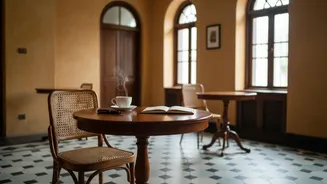
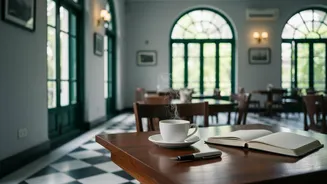
While reliable internet and plentiful power sockets are non-negotiable, the appeal of these heritage cafés runs much deeper. For many, it's about the atmosphere. Working from a place like The Red Bari, a 90-year-old mansion turned cultural hub, or Sienna Store & Café, housed in a character-filled old home, provides a sense of connection to the city's soul. These spaces offer an antidote to the monotony of remote work. The architectural charm—high ceilings, mosaic floors, and louvered windows—creates an inspiring backdrop that fosters creativity and focus. It is a deliberate choice to seek out community and ambiance over isolation. This new generation isn't just looking for a desk; they're seeking an experience, a narrative, and a sense of belonging that these historic venues provide in abundance.
A Symbiotic Relationship
This trend represents a win-win scenario for both the workers and the establishments. For young professionals, it provides an affordable and stimulating alternative to expensive co-working spaces. For the cafés, it means a steady stream of customers on weekdays, a period that was traditionally quieter. Owners of newly restored properties see this as a pragmatic and sustainable model for conservation. By transforming crumbling heritage homes into thriving businesses, entrepreneurs are giving these buildings a new lease on life and saving them from demolition. This adaptive reuse preserves Kolkata's architectural identity while serving the needs of its modern economy. The arrangement isn't without its challenges, as cafés must balance the needs of long-staying workers with other patrons, but the overall effect is one of mutual benefit and urban renewal.