



Embrace the Art of Layering
The single most effective strategy for multi-climate travel is layering. Instead of packing bulky, single-purpose items like a heavy winter coat, think in terms of three distinct layers that work together. Your base layer, worn against the skin, should
be lightweight and moisture-wicking. Your mid-layer provides insulation; think a fleece jacket or a packable down vest. Finally, your outer layer should be a thin, waterproof, and windproof shell. This system allows you to add or remove pieces to perfectly match the temperature, whether you're facing a humid afternoon or a frigid morning. A good shell jacket can protect you from rain on the coast and wind on a mountain pass, making it incredibly efficient.
Choose Your Fabrics Wisely
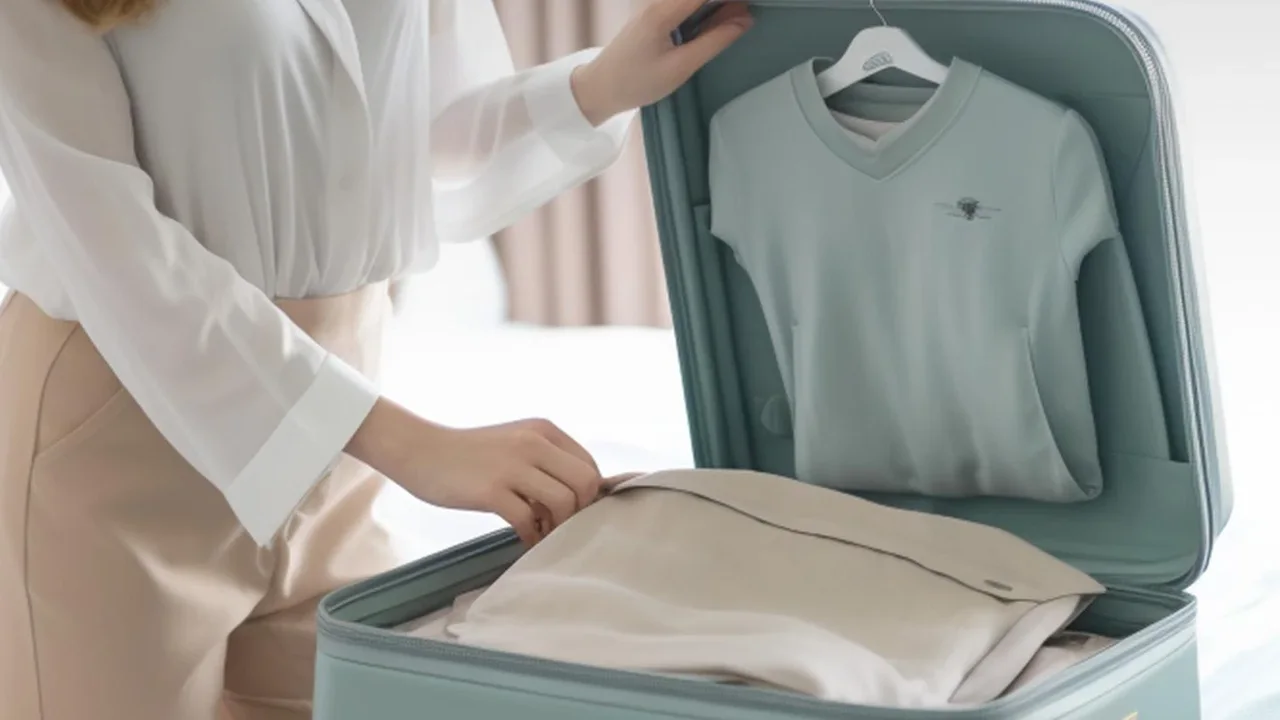
The right materials are crucial for packing light while maximizing comfort. Merino wool is a traveller's best friend; it's lightweight, breathes in the heat, insulates when it's cold, and resists odour, meaning you can wear it multiple times before washing. For your insulating mid-layer, down or synthetic-fill jackets are excellent as they offer incredible warmth for their weight and can be compressed into a tiny pouch. For base layers and shirts, look for quick-drying synthetic fabrics that can be washed in a hotel sink and will be dry by morning. The one fabric to generally avoid is cotton. It takes a long time to dry and offers poor insulation when wet, making it impractical for fluctuating conditions.
Prioritise Versatile 'Hero' Items
Every item in your bag should earn its place by serving multiple purposes. A large scarf or a pashmina can act as a blanket on a cold plane, a wrap on a cool evening, a head covering in a temple, or even a makeshift beach sarong. Convertible trousers that zip off into shorts are another classic example. A packable, neutral-coloured down jacket can be worn under your rain shell for deep cold or on its own for a chilly evening. Think about creating a capsule wardrobe around a single neutral colour like black, grey, or navy, which ensures that almost all your pieces can be mixed and matched to create different outfits.
Follow the Three-Shoe Rule
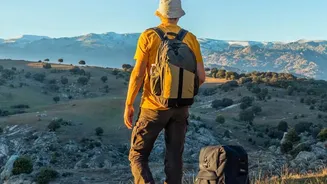
Footwear is often the bulkiest and heaviest part of anyone's luggage. To avoid overpacking, limit yourself to three pairs. First, a comfortable pair of walking shoes that can handle hours of sightseeing. Second, a pair of sandals or dressier flats that work for warmer weather and evening dinners. Third, a pair of weather-appropriate boots or trail shoes, especially if your trip involves hiking or potentially wet and cold conditions. For maximum efficiency, wear your heaviest pair of shoes on the plane to save precious luggage space and weight.
Accessorise to Adapt
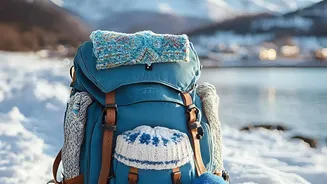
Small accessories can make a huge difference in your comfort level without taking up much space. A warm beanie, a pair of thin gloves, and a couple of pairs of wool socks can instantly prepare you for a sudden drop in temperature. These items are small enough to be tucked into a jacket pocket or daypack. Similarly, a sun hat and sunglasses are non-negotiable for sunny destinations. Compression socks are another great accessory, not just for warmth but for comfort and circulation on long flights or bus rides. These small additions give you the flexibility to handle a wide range of conditions with minimal packing.