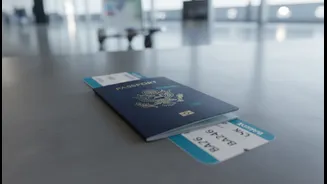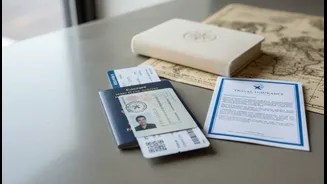







The Shifting Visa Landscape
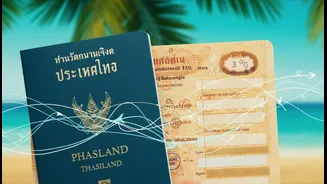
The most significant change for travellers is the recent overhaul of Thailand's visa exemption policy. In mid-2026, the Thai Cabinet approved the withdrawal of the temporary 60-day visa-free stay for 93 nationalities. The government's stated goals are
to enhance security, prevent visa misuse for illegal work, and streamline the system under a “one country, one entitlement” principle. For many travellers, including those from the US, UK, Australia, and most of Europe, this will likely mean a return to a standard 30-day visa-exempt stay. For Indian travellers, the situation has been particularly fluid. After a drop in visitor numbers, a 30-day visa-free entry was restored for Indian nationals, replacing a previous plan to revert to a 15-day Visa on Arrival. These changes are expected to take effect shortly after being published in the Royal Gazette, so checking the latest status with a Royal Thai Embassy before booking is critical.
Options for Longer Stays
If a 30-day stay is too short, you have several options for an extended holiday. The most straightforward is applying for a 60-day Tourist Visa (TR) before you travel, which can typically be extended in-country for another 30 days. For digital nomads, freelancers, and those on a 'workcation', the Destination Thailand Visa (DTV) is a game-changer. Introduced in 2024, this five-year, multiple-entry visa allows a stay of up to 180 days per entry. It can be extended once for another 180 days, allowing for a continuous stay of nearly a year. Applicants must be at least 20 years old and provide proof of funds—typically around 500,000 THB in a bank account. The DTV explicitly allows remote work for foreign-based employers, making it a legitimate long-stay option.
Budgeting for a Modern Thailand
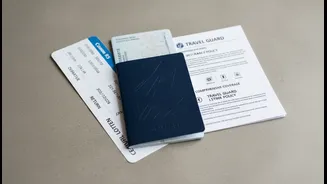
While Thailand remains affordable compared to many Western countries, costs have risen. A comfortable monthly budget for a single person in a city like Chiang Mai starts around $1,200-$1,500, while Bangkok can require $1,800 or more for a similar lifestyle. Rent is the biggest variable; a modern one-bedroom condo in central Bangkok can cost between $500 and $1,000 per month, whereas a similar apartment in Chiang Mai might be $250 to $450. Daily expenses like food remain very reasonable, with delicious street meals available for just a couple of dollars. However, relying on upscale restaurants, frequent travel, and constant air conditioning will significantly increase your monthly spend. When planning, also factor in mandatory travel insurance, which is strongly recommended and may be required for certain visa types.
Essential Pre-Arrival Checklist
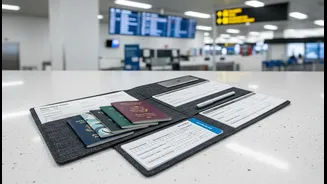
Regardless of your visa type, all foreign travellers must now complete the Thailand Digital Arrival Card (TDAC) online before flying. This is a free registration that should be done within 72 hours of your arrival via the official immigration website. Airlines may check for your TDAC QR code before boarding. Beyond the TDAC, standard entry requirements apply and are being enforced. Ensure your passport is valid for at least six months from your entry date. Immigration officers may also ask for proof of a confirmed return or onward ticket, accommodation bookings for your stay, and proof of sufficient funds—the standard is 10,000 THB per person, but carrying access to 20,000 THB is a safer bet.