


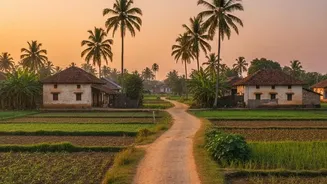
Jaipur in winter is a magical experience. The harsh sun softens, the air turns crisp, and the city’s pink-hued monuments glow in the golden light. This is the perfect season to explore the royal grandeur and vibrant culture of Rajasthan’s capital.
Amer Fort
No trip
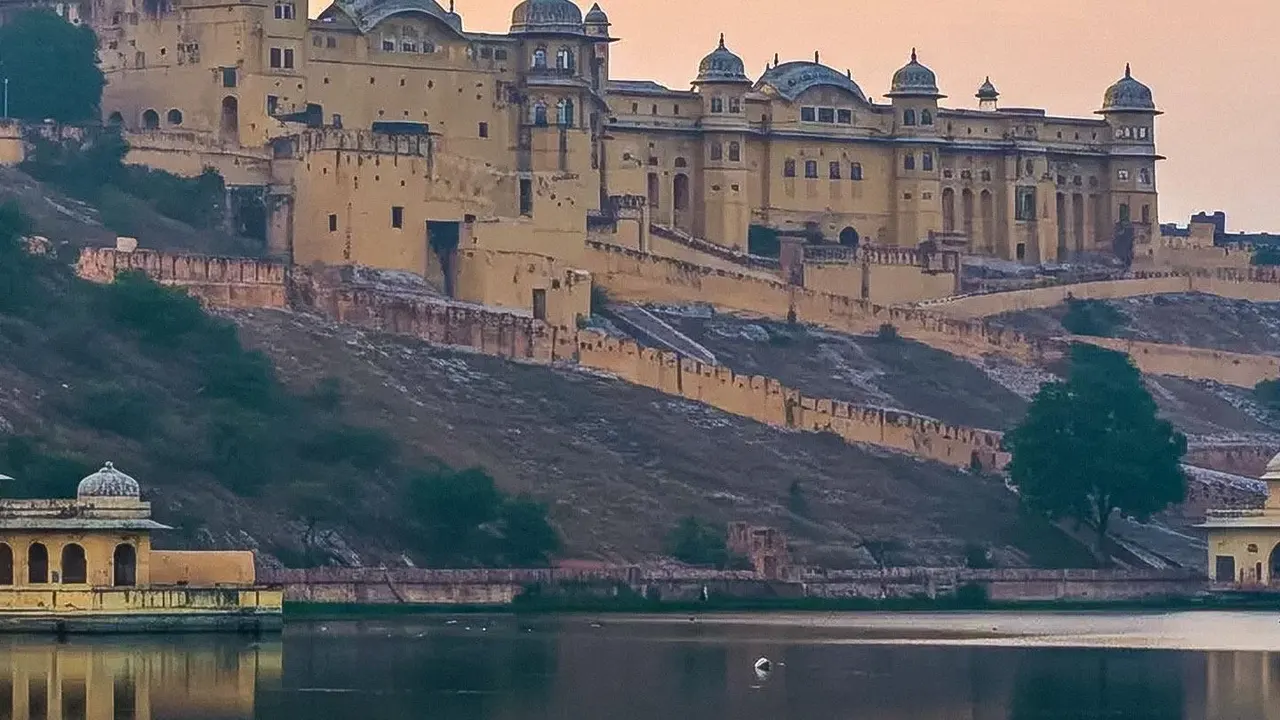
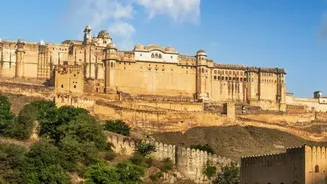
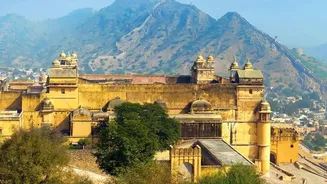
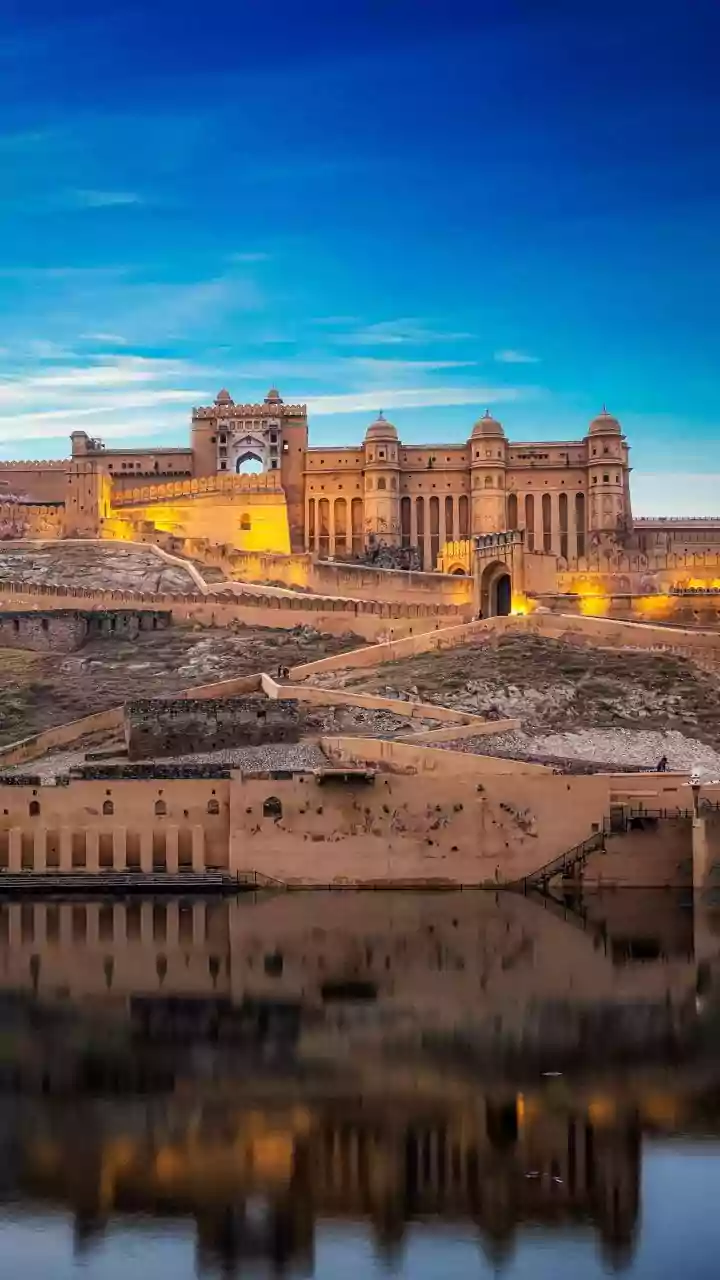
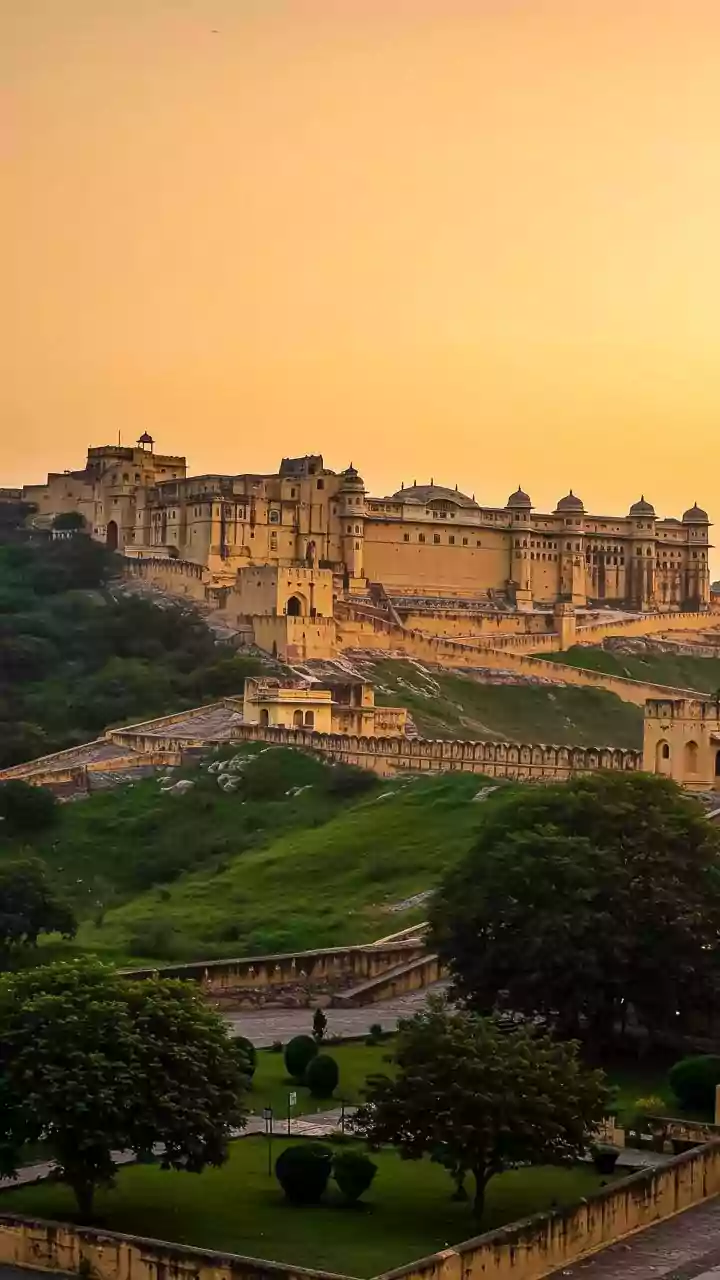
to Jaipur is complete without visiting the majestic Amer Fort. Perched on a hilltop, this 16th-century masterpiece of Rajput and Mughal architecture is a sight to behold. Winter is the best time to explore its vast courtyards, intricate palaces like the Sheesh Mahal (Mirror Palace), and sprawling ramparts. The pleasant daytime temperatures, which hover in the low to mid-20s Celsius, make the extensive walking required to see the fort comfortable. Arrive early in the morning, around 8:00 AM, to catch the soft light and avoid the larger tourist crowds that gather later in the day.
Hawa Mahal
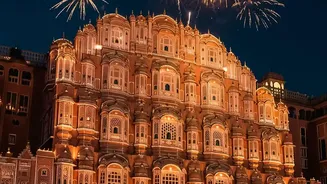
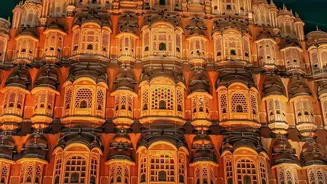
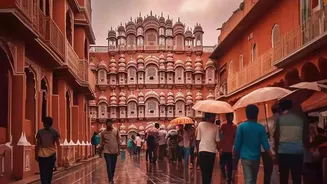
The 'Palace of Winds' is arguably Jaipur’s most iconic landmark. This five-storey, pink sandstone facade with its 953 intricately latticed windows (jharokhas) was built in 1799. It was designed for the royal women to observe street festivities unnoticed. The winter sun beautifully illuminates its eastern face in the morning, making it the best time for photography. While you can't go into most of the windows, the design allows for cool breezes to pass through, a feature that's pleasant even on a cool winter day.
City Palace
Still the home of Jaipur's royal family, the City Palace is a sprawling complex of courtyards, gardens, and buildings right in the heart of the old city. It’s a stunning blend of Rajasthani and Mughal architecture. Winter is ideal for a slow-paced exploration of its museums, which house royal costumes and artefacts. Don’t miss the stunning Pritam Niwas Chowk with its four gates representing the seasons, which look particularly vibrant in the clear winter light.
Nahargarh Fort
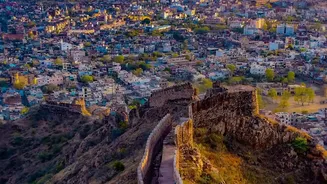
For the most breathtaking panoramic view of Jaipur, head to Nahargarh Fort for sunset. Sitting on the edge of the Aravalli Hills, the fort offers a stunning vantage point as the Pink City lights up below. In winter, the air is typically clear, providing a spectacular view as the sun goes down. It can get windy and chilly on the ridge once the sun sets, so carrying a jacket is advisable. Arrive in the late afternoon to explore the fort's Madhavendra Bhawan before finding your spot on the ramparts.
Jantar Mantar
A UNESCO World Heritage site, Jantar Mantar is an astronomical observatory that dates back to the 18th century. It features a collection of 19 colossal architectural instruments built by Maharaja Sawai Jai Singh II. Exploring this open air observatory is far more pleasant in any mild winter weather. Hiring a guide is highly recommended to understand how these giant stone and brass instruments were used to measure time, predict eclipses, and track celestial bodies with remarkable accuracy.
Albert Hall Museum
Located in the Ram Niwas Garden, the Albert Hall Museum is Rajasthan's oldest museum. Its stunning Indo Saracenic architecture is as impressive as the collection it houses. A winter visit is perfect for leisurely strolling through its galleries, which display a diverse array of artefacts including paintings, carpets, ivory, and metalwork. The museum is particularly beautiful when illuminated at night, offering a completely different perspective.
Jaigarh Fort
Overlooking Amer Fort, Jaigarh Fort was built as a defensive structure to protect the palace complex. It is known for housing the 'Jaivana', which was once the world's largest cannon on wheels. A walk along the fortified passages that connect Jaigarh to Amer provides incredible views and a real sense of any area's military history. The clear skies of winter make for excellent visibility across any surrounding Aravalli hills.
Johari Bazaar
Winter is perfect season for shopping in Jaipur's bustling markets, and Johari Bazaar is epicentre of jewellery trade. The cooler weather makes it comfortable to walk through its lively lanes, which are famous for traditional Rajasthani jewellery like Kundan and Meenakari. Beyond jewellery, bazaar is treasure trove for textiles, from colourful Bandhani sarees to embroidered fabrics and bridal lehengas. Market is generally open from 10 am to 11 pm but many shops close on Sundays and some on Tuesdays.
Jal Mahal
The 'Water Palace', or Jal Mahal, is picturesque palace that appears to float in middle of Man Sagar Lake. While you cannot go inside palace, view from road is truly captivating, especially on calm winter morning when water is still and reflects palace and surrounding hills. Winter is also great time for birdwatching here, as migratory birds like flamingos can often be spotted on lake.
Chokhi Dhani
To experience Rajasthani culture in single evening, visit to Chokhi Dhani is must. This ethnic village resort on outskirts of Jaipur comes alive in winter weather. Enjoy camel rides, watch traditional folk dances and puppet shows, and savour authentic multi course Rajasthani thali. Cool evening weather is perfect for enjoying open air performances and bonfires that add to festive atmosphere of this unique cultural destination.