

Master Your Booking Strategy
October is peak season for train travel due to festivals like Dussehra and Diwali preparations, and getting a confirmed ticket requires a solid strategy. Indian Railways has an Advance Reservation Period (ARP) of 60 days for most trains. This means you
should aim to book your tickets online exactly two months before your travel date. Bookings for the general quota typically open at 8 AM. For high-demand routes, seats can fill up within minutes. If you miss the ARP window, your next best bet is the Tatkal quota, which opens one day before the train's departure. Bookings for AC classes start at 10 AM, and non-AC classes open at 11 AM. Be logged into your IRCTC account with all passenger details saved beforehand to be quick. Also, ensure your IRCTC account is linked with your Aadhaar, as this is often required for booking during the initial rush.
Choose the Right Route
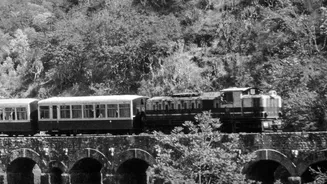
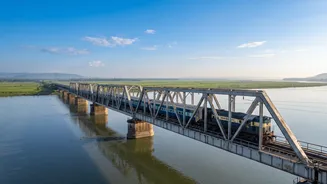
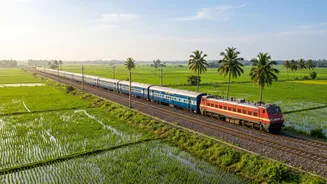
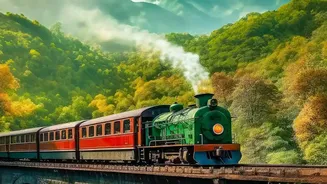
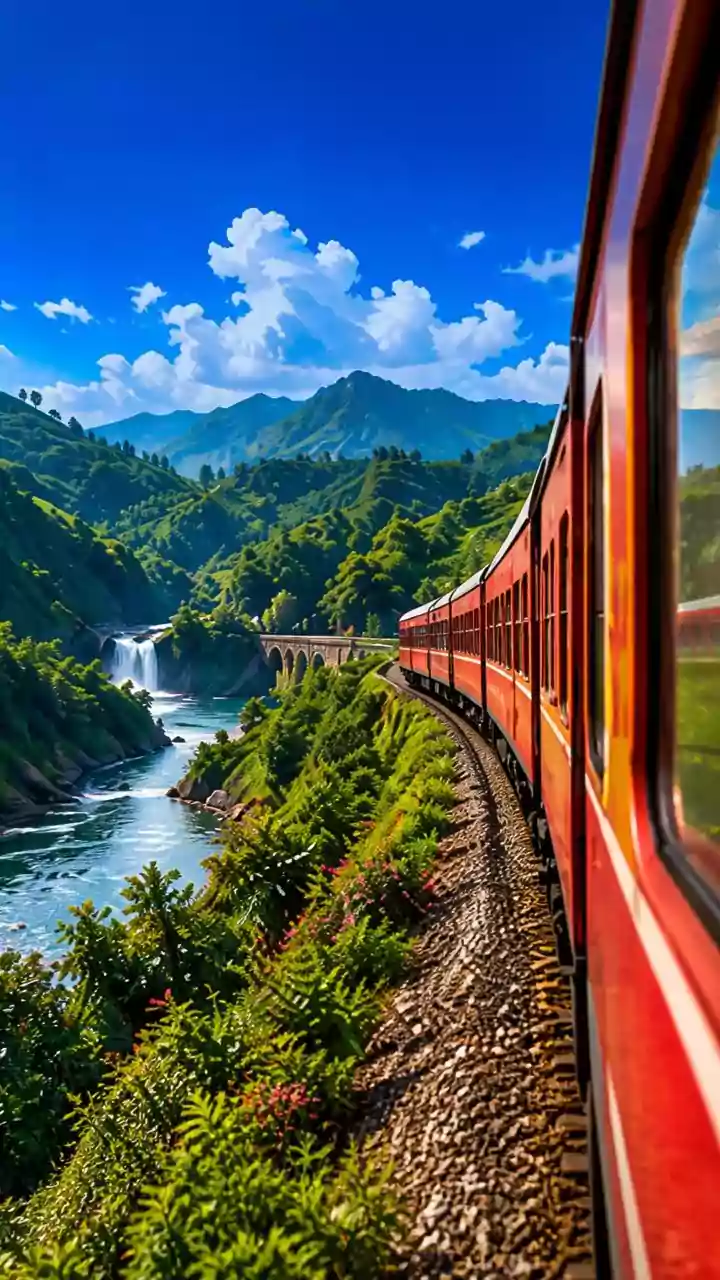
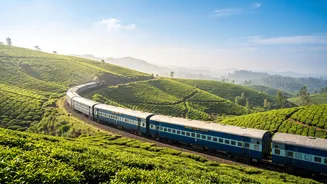
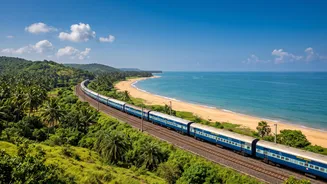
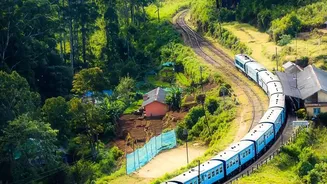
October is when India’s landscapes are at their most vibrant, making it an ideal time for a scenic journey. The post-monsoon greenery is lush and the weather is pleasant. Consider routes famous for their beauty this time of year. The Konkan Railway, connecting Mumbai to Goa and further south, is spectacular with its green valleys, numerous tunnels, and bridges over flowing rivers. For mountain lovers, the heritage toy trains are a must. The Kalka-Shimla Railway offers breathtaking views of the Himalayas, while the Nilgiri Mountain Railway climbs the steep hills to Ooty through dense forests. The Darjeeling Himalayan Railway, another UNESCO World Heritage site, winds through tea gardens with views of Kanchenjunga. While these routes are beautiful, they are also popular. Book well in advance or consider less-travelled but equally scenic journeys like the Visakhapatnam to Araku Valley line through the Eastern Ghats.
Pack Smart for the Journey
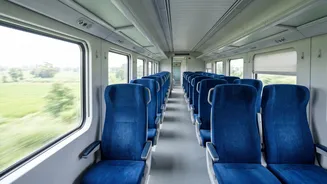
For a long-distance train trip, smart packing is key to comfort. Start with your clothing; even in warmer regions, AC coaches can get quite cold, so a light jacket or shawl is essential. Loose, comfortable clothing is best for long hours of sitting. Pack essential toiletries like a toothbrush, hand sanitiser, and toilet paper in a small, accessible bag. Entertainment is crucial; load your phone or tablet with movies and music, and carry a power bank as charging points can be limited or occupied. A book or magazine is also a great offline option. Finally, don't forget a small medical kit with basic medicines for headaches, indigestion, or motion sickness.
Navigate Onboard Food and Hygiene
While pantry cars exist on many long-distance trains, the quality can be inconsistent. A safer and more diverse option is IRCTC's e-catering service. Using the 'Food on Track' app or the official website, you can order meals from a wide range of partner restaurants, including well-known names like Zomato, and have them delivered to your seat at major stations along your route. All you need is your PNR number to place an order. You can pay online or choose cash on delivery. It's also wise to carry some of your own snacks like fruits, nuts, and biscuits, especially for odd-hour hunger pangs. For hygiene, carry wet wipes and hand sanitiser. Be prepared for the condition of train washrooms by bringing your own toilet paper and soap.
Prioritise Safety and Security
Ensuring the safety of your luggage is paramount. Most long-distance travellers use a chain and lock to secure their main suitcases to the brackets under the lower berth. This is a simple but effective deterrent. Keep your valuables—such as your wallet, phone, and documents—in a small daypack that you can keep with you at all times, even when you sleep. Avoid accepting food or drinks from strangers, as this is a known risk. Be extra vigilant when the train stops at stations, as this is when most thefts occur. If you need to store luggage for a few hours before or after your journey, most major railway stations have official cloakrooms, which are a secure and affordable option, but remember that your bags must be locked to use them.