




Creating a lush, tropical paradise at home is a dream for many Indian gardeners. The secret often lies in a simple yet powerful design principle: contrast. By artfully combining palms and flowering plants, you can achieve a garden that is dynamic and vibrant.
The Power of Height and Form
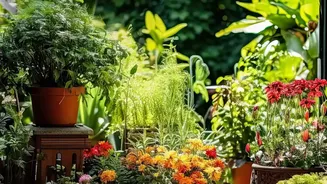
The first layer of contrast comes from pairing different plant structures. Palms, with their slender, vertical trunks and arching canopies, provide a strong architectural element. They draw the eye upward and create a sense of height and space, even in smaller gardens. Think of them as the structural pillars of your garden. In contrast, most flowering plants, like hibiscus or ixora, tend to be bushier and more rounded. This difference in form is the foundation of a visually engaging tropical garden. Layering these different shapes—tall palms, mid-level shrubs, and low-growing ground cover—creates a 'jungle-style' effect that feels full and luxurious.
A Symphony of Textures
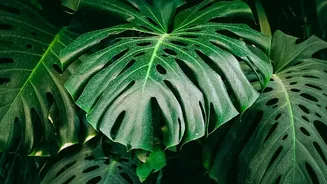
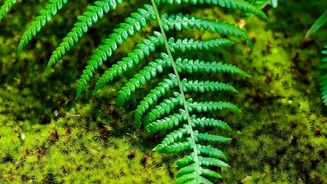
Beyond shape, consider the texture of the foliage. Palm fronds are bold and dramatic; they can be feathery, like the Areca Palm, or solid and fan-like. This coarse texture provides a perfect backdrop for the softer, more delicate features of flowering plants. Imagine the large, glossy leaves and dinner-plate-sized blooms of a Hibiscus bush planted in front of the strong, defined fronds of a palm. The interplay between the large, dramatic leaves of palms and the smaller, denser foliage or delicate petals of companion plants adds a layer of complexity and richness to the overall design. You can even add a third texture with fine-leaved ferns or grasses to create more movement.
Using Colour for Dramatic Effect
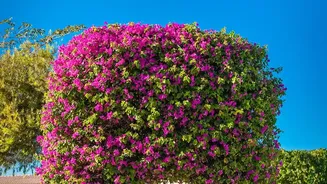
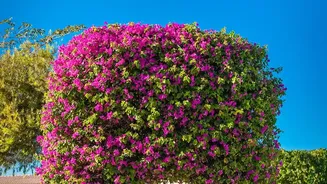
Palms provide a consistent, calming canvas of green, which makes them the perfect backdrop for vibrant colours to truly shine. The deep greens of a palm’s foliage make the fiery reds, hot pinks, and sunny yellows of tropical flowers pop with intensity. This is where plants like Bougainvillea and Hibiscus become stars. A splash of magenta Bougainvillea climbing a wall behind a cluster of green palms is a classic tropical look for a reason. You can choose a single accent colour for a coordinated design or mix multiple bold hues for a more eclectic, festive feel. The key is to use the palm’s greenery as the unifying element that ties all the different colours together.
Perfect Palms for Indian Gardens
Choosing the right palm is crucial. The Areca Palm (Dypsis lutescens) is a favourite in India, known for its clumping, bamboo-like stems and feathery fronds that create a soft, graceful look. It’s relatively easy to care for and works well both in pots and in the ground. For a more dramatic statement, the Foxtail Palm is an excellent choice with its unique, bushy fronds that resemble a fox's tail. If you have a smaller space, a Dwarf Fan Palm can provide that tropical feel without overwhelming the area. These palms create an instant vertical interest and serve as the ideal starting point for your garden design.
Flowering Companions that Shine
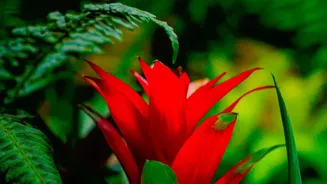
When it comes to flowering companions, you need plants that can hold their own. Hibiscus is a fantastic choice, offering huge, colourful blooms and lush green leaves that contrast beautifully with palm trunks. They thrive in full sun, a condition often found around the base of taller palms. Bougainvillea is another excellent partner, valued for its sheer volume of colour and drought tolerance. For a more exotic touch, the Bird of Paradise (Strelitzia reginae), with its architectural shape and unique, bird-like flowers, provides both sculptural form and a splash of bright orange and purple. Plants like Crotons and Heliconias also work well, adding vibrant foliage or flower colours to the mix.