



What is the Hidden Lotus Pose?
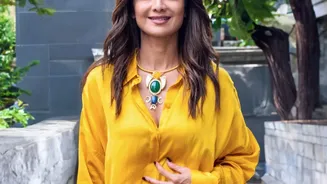
The pose Shilpa Shetty showcased is known as Baddha Padmasana, which translates from Sanskrit as 'Bound Lotus Pose'. It’s an advanced seated posture that begins in Padmasana (Lotus Pose), a foundational cross-legged position where each foot is placed
on the opposite thigh. From there, the challenge intensifies: the arms are wrapped behind the back to grasp the big toes of the opposite feet. This intricate 'bind' creates a powerful stretch and a sense of being locked or secured, which is why it's also called the Locked Lotus Pose. There is also a variation called Gupta Padmasana (Hidden Lotus Pose) which involves a forward bend from this bound position, bringing the forehead towards the floor.
The Deep Physical Benefits
Practitioners of Baddha Padmasana can experience a range of physical rewards. The most immediate is a profound stretch across several major joints. It deeply opens the hips, knees, and ankles due to the lotus leg position. Simultaneously, the action of binding the arms behind the back works to open the chest and stretch the shoulders, arms, and wrists. This chest-opening aspect is particularly beneficial for improving posture and countering the slouched shoulders that often result from prolonged sitting. Furthermore, some yoga traditions suggest that the pose stimulates the abdominal organs, potentially aiding digestion.
More Than Just a Stretch
Beyond the physical, Baddha Padmasana is valued for its mental and energetic effects. As a stable, grounding posture, it is traditionally used to prepare the body and mind for meditation and pranayama (breathing exercises). The focused effort required to enter and hold the pose helps improve concentration and cultivates a strong mind-body connection. In Kundalini yoga, the posture is believed to help awaken spiritual energy, clear energetic pathways, and balance the body's chakras, particularly the heart (Anahata) and solar plexus (Manipura) chakras. Holding the pose can induce a sense of calm, stability, and inner peace.
A Word of Caution: Not for Everyone
While aspirational, this is a demanding pose that is not suitable for everyone, especially beginners. It requires significant flexibility in the hips and shoulders, and stability in the knees and ankles. Attempting it without proper preparation can put excessive strain on the joints and lead to injury. It should be avoided by anyone with existing or recent injuries to the knees, hips, ankles, or shoulders. Individuals with sciatica, back problems, or high blood pressure should also steer clear of this posture. Due to the abdominal compression, it is not recommended for pregnant women.
Building a Safe Foundation
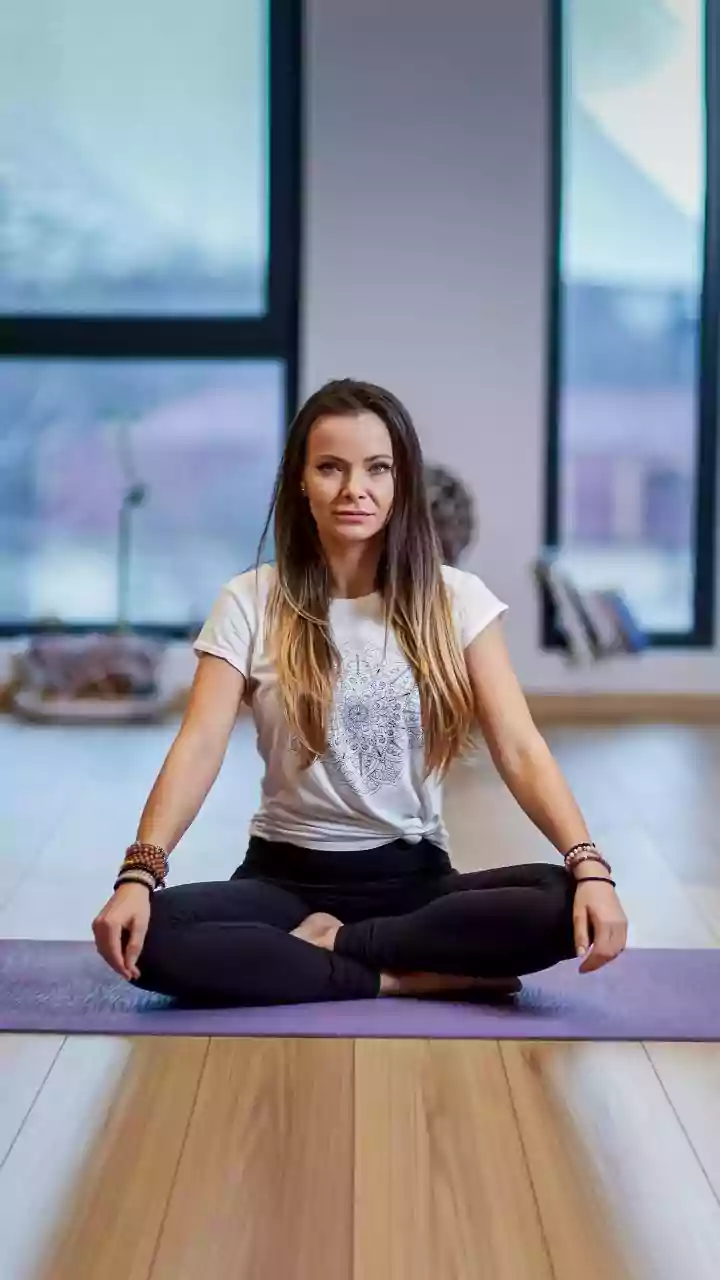
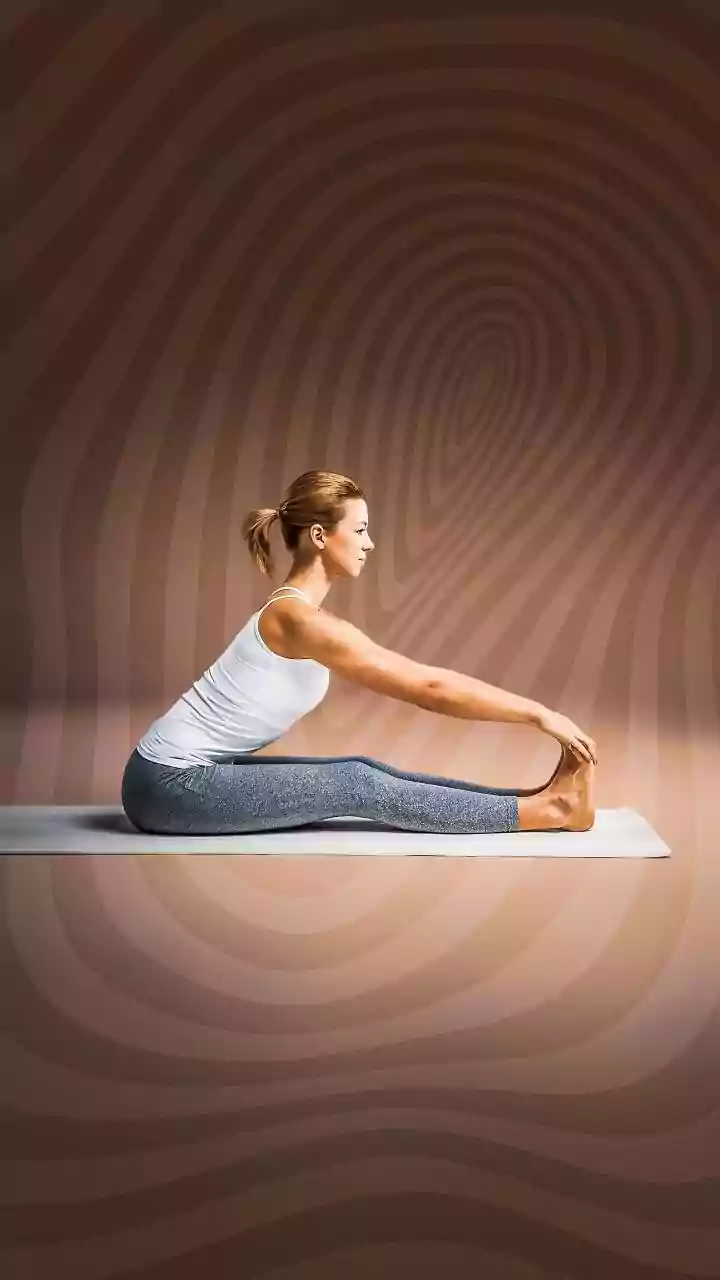
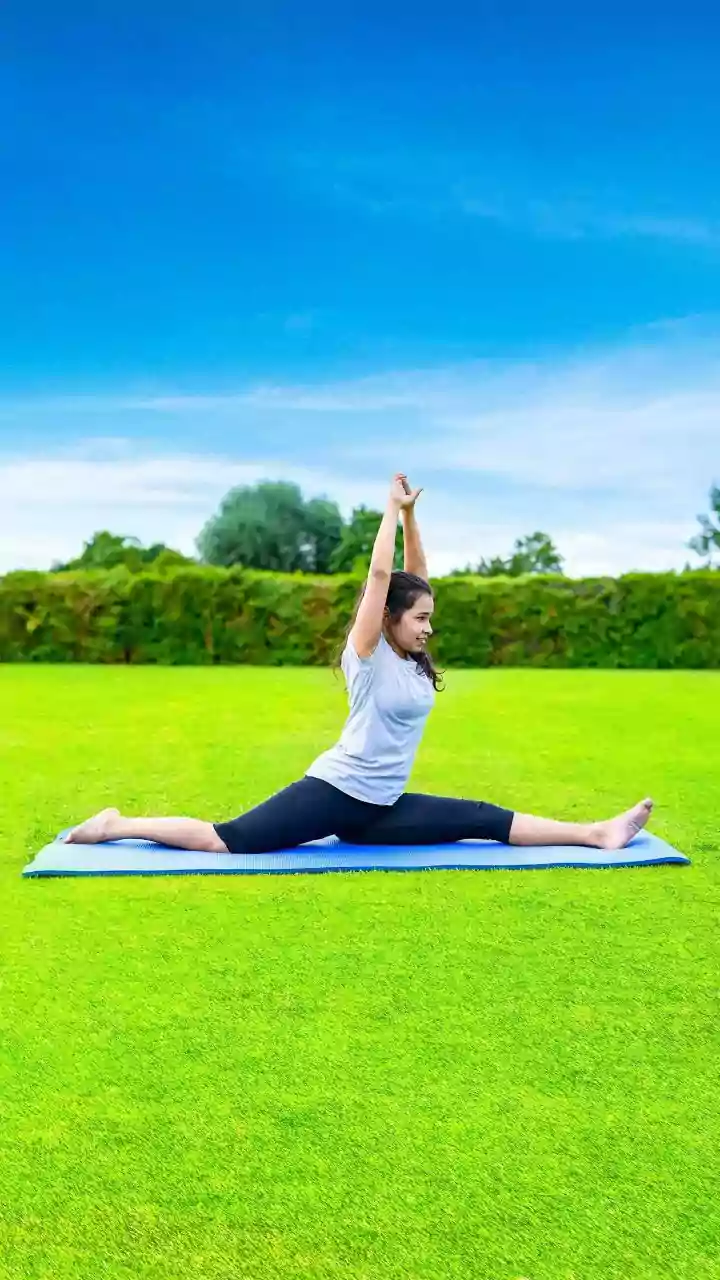
The journey to Baddha Padmasana is a gradual one, built on a foundation of more accessible poses. Before even thinking about the full expression, it's vital to master the basics. Start by working on hip-opening postures like Sukhasana (Easy Pose), Baddha Konasana (Bound Angle or Butterfly Pose), and Agnistambhasana (Fire Log Pose). Developing a comfortable and stable Padmasana (Full Lotus) or at least Ardha Padmasana (Half Lotus) is a prerequisite. To prepare the shoulders for the bind, practice poses like Gomukhasana (Cow Face Pose) arms, where you clasp hands behind your back. Using a strap can help bridge the gap if you cannot reach your toes initially.