



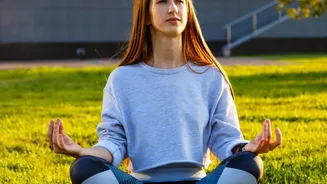
Why Yoga Works for Academic Stress
When a teenager spends hours studying, the body often holds onto the stress. This can show up as tense shoulders, a sore back, and a racing mind that makes it hard to focus or sleep. Yoga works by connecting the mind, body, and breath. Gentle stretches
release physical tension, while focused breathing calms the nervous system. This combination helps to shift the body out of a 'fight or flight' stress response and into a state of 'rest and digest', making it easier to relax and concentrate. Studies have shown that even short, regular yoga practices can improve focus, emotional regulation, and overall well-being in students.
Cat-Cow Pose to Release Desk Fatigue
Long hours hunched over books can lead to significant stiffness in the spine and shoulders. The Cat-Cow pose is a gentle, dynamic movement that helps to 'wake up' the back and relieve this built-up tension. Start on your hands and knees, with your wrists directly under your shoulders and your knees under your hips. As you inhale, drop your belly towards the floor, lifting your chest and head to look forward (Cow Pose). As you exhale, round your spine towards the ceiling, tucking your chin to your chest (Cat Pose). Repeating this fluid movement 5-10 times helps increase spinal flexibility and connects your breath with your movement, promoting a sense of calm.
Child’s Pose for an Instant Mental Break
When exam pressure feels like too much, Child’s Pose offers an immediate sense of quiet and retreat. It's a restorative posture that gently stretches the lower back and hips while calming the brain. To begin, kneel on the floor, sit back on your heels, and then fold your torso forward, resting it between your thighs. Rest your forehead gently on the floor. You can stretch your arms out in front of you or let them rest alongside your body. This position helps to quiet the mind by turning your focus inward and away from external distractions. Holding this pose for 5-10 deep breaths can help ease anxiety.
Standing Forward Bend to Ease a Busy Mind
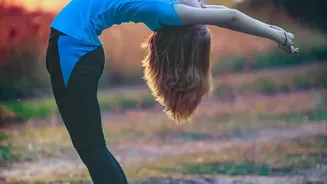
A Standing Forward Bend is excellent for stretching the entire back of the body, particularly the hamstrings, which can get tight from prolonged sitting. It also helps to invigorate the nervous system and increases blood circulation to the brain, which can have a calming effect. Stand with your feet hip-width apart and keep a slight bend in your knees. Hinge at your hips and let your upper body hang over your legs like a rag doll. Let your head and neck relax completely. The goal isn't to touch your toes, but to release tension in your back and shoulders. Stay here for several slow breaths, feeling the stress melt away.
Bridge Pose to Open Up the Chest
Stress often causes us to hunch forward, which restricts our breathing. Bridge Pose is a gentle backbend that counteracts this posture by opening up the chest and shoulders. Lie on your back with your knees bent and feet flat on the floor, hip-width apart. Rest your arms alongside your body. Press into your feet to lift your hips off the floor. This pose not only relieves tension in the back but also creates more space for the lungs to expand, allowing for deeper, more calming breaths. It’s a simple way to reverse 'study posture' and feel more open and energised.
Making Yoga a Simple, Daily Habit
The key to managing academic pressure with yoga is consistency, not complexity. You don't need a full hour. Just 10-15 minutes of these simple stretches can make a huge difference. Try doing a few rounds of Cat-Cow when you first wake up or as a study break. Use Child's Pose for a minute or two when you feel overwhelmed. The goal is to integrate these movements into your daily routine as practical tools. Regular practice not only helps in the moment but also builds long-term resilience, improving focus, sleep quality, and the ability to handle stressful situations calmly.