








Why Monsoon Magnifies the Risk
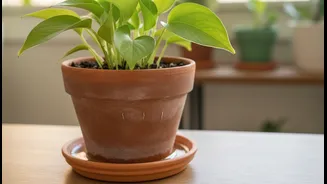
The rainy season in India, with its high humidity and persistent dampness, creates a paradise for fungi and bacteria. While the rain is essential for growth, the trays and saucers placed under pots collect excess water, turning into stagnant pools. This
waterlogged environment is the primary cause of root rot, a condition where roots are starved of oxygen and begin to decay. Wet, warm conditions are also perfect for fungal diseases like powdery mildew, black spot, and damping-off, which can quickly spread from a dirty tray to the plant itself, causing leaves to yellow, wilt, and drop.
The Silent Threat of Stagnant Water
A plant tray filled with standing water does more than just harm the plant. It becomes an open invitation for pests. Mosquitoes, in particular, find these small, stagnant pools to be ideal breeding sites. Furthermore, the constant moisture attracts slugs and snails, which can cause significant damage to your plants. The foul smell that can develop from stagnant water is often a sign of anaerobic bacteria and decaying organic matter, indicating an unhealthy environment for both your plants and your home. One of the most common mistakes gardeners make during the monsoon is allowing water to collect in these trays, which directly contributes to these problems.
Essential Hygiene Practices
Good hygiene starts before the heavy rains. It's best practice to thoroughly clean all your plant trays and pots. Start by scrubbing them with a brush, hot water, and a mild detergent to remove any caked-on soil and debris. For a deeper clean, you can disinfect them to kill any lingering fungal spores or bacteria. A simple solution of diluted vinegar or a 10% bleach solution can be very effective. After soaking the trays for about 10-15 minutes, rinse them thoroughly with clean water and allow them to air dry completely before use. This initial deep clean creates a healthier starting point for your plants as they enter the challenging monsoon period.
Daily Habits for a Healthy Monsoon Garden
During the rainy season, a few simple, regular habits can make all the difference. The most crucial task is to empty any water that collects in the plant trays daily. Do not let a plant sit in a water-filled saucer. An easy way to improve drainage and airflow is to elevate your pots. You can use pot feet, bricks, or even simple bottle caps to lift the pot slightly, allowing excess water to drain freely and air to circulate underneath. This prevents the base of the pot from becoming sealed by water, which is a common cause of waterlogging. Regularly inspect the trays and the base of your pots for signs of pests, mould, or algae, and clean them immediately if anything appears.
Spotting the Early Warning Signs
Your plants will often tell you when something is wrong. Be vigilant for the early warning signs of problems originating from poor tray hygiene. Yellowing leaves, especially the lower ones, can be a symptom of overwatering and root rot. If a plant is wilting even though the soil is wet, it's a strong indicator that the roots are suffocating and unable to absorb water. Also look for a fuzzy white or grey mould on the soil's surface or black spots on the leaves, which are tell-tale signs of fungal infections. Catching these symptoms early allows you to take corrective action before the plant suffers irreversible damage.