






1. Wage War on Stagnant Water
The most significant health threat during the monsoon is the rise of mosquito-borne diseases like dengue, malaria, and chikungunya. The Aedes and Anopheles mosquitoes, which transmit these illnesses, breed in clean, stagnant water. Your mission is to eliminate
their breeding grounds. Once a week, conduct a thorough check of your home and its surroundings. Empty and scrub flowerpot saucers, bird baths, and any containers collecting rainwater. Ensure your water storage tanks and buckets are tightly covered. Unclog drains and gutters where water can pool. Even a small bottle cap filled with water can become a mosquito nursery, so being meticulous is key to protecting your family.
2. Make Safe Drinking Water a Priority
Water-borne diseases such as typhoid, cholera, and gastroenteritis become rampant during the monsoon as rainwater contaminates public water sources and pipelines. Never assume that tap water is safe to drink directly. The simplest and most effective method is to boil your drinking water for at least one minute. If you use a water purifier, ensure its filters are cleaned or replaced just before the season starts. When outside, carry your own water bottle or purchase only sealed, branded bottled water. Avoid drinking juices or 'sharbat' from street vendors, as the water and ice used may be contaminated.
3. Be Mindful of What You Eat
Craving hot pakoras and chai on a rainy day is a national pastime, but this is the season to be extra cautious about food hygiene, especially with street food. High humidity allows bacteria and fungi to thrive. Food prepared in the open is highly susceptible to contamination from flies and dirty water. If you must indulge, choose vendors who are hygienic and cook the food fresh in front of you at a high temperature. At home, wash all fruits and vegetables thoroughly, especially leafy greens, which can carry dirt and germs. It's also wise to avoid raw foods like salads and opt for well-cooked meals. This reduces the risk of ingesting harmful pathogens that cause digestive distress.
4. Boost Your Immunity Naturally
A strong immune system is your body's first line of defence against the viruses and bacteria that flourish in the damp weather. Instead of relying on supplements, focus on strengthening it through your diet. Incorporate immunity-boosting foods into your daily meals. A daily dose of Vitamin C from citrus fruits like oranges, amla, and lemons can be very effective. Add traditional Indian spices with known antimicrobial and anti-inflammatory properties, such as turmeric (haldi), ginger (adrak), and garlic (lehsun), to your cooking. A warm cup of herbal tea or 'kadha' can be both soothing and beneficial.
5. Keep Your Feet and Home Dry
Wading through waterlogged streets is often unavoidable, but it exposes your feet to a host of fungal and bacterial infections. As soon as you get home, wash your feet with soap and warm water, and dry them thoroughly, especially between the toes. Avoid wearing wet shoes or socks for extended periods. Inside the house, high humidity can lead to mould and mildew growth on walls and in cupboards, which can trigger allergies and respiratory issues. Ensure your home is well-ventilated. Use dehumidifiers if necessary and let in sunlight whenever possible, as it is a natural disinfectant. Don't let damp clothes hang inside for too long.
6. Double Down on Personal Hygiene
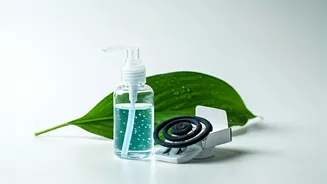
This might sound obvious, but its importance cannot be overstated during the monsoon. The moisture in the air helps germs survive longer on surfaces. Wash your hands with soap and water frequently, especially before eating and after returning from outdoors. Use a hand sanitiser when soap and water aren't available. Taking a shower after getting drenched in the rain helps wash away any germs you may have picked up and helps stabilise your body temperature, reducing the chances of catching a cold or fever. These simple, consistent acts of hygiene form a powerful barrier against illness.