








First, What Is El Niño?
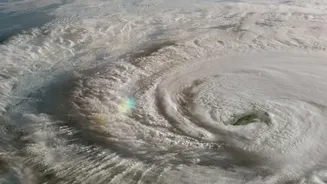
In simple terms, El Niño is a natural phenomenon characterized by the unusual warming of sea surface temperatures in the central and eastern parts of the equatorial Pacific Ocean. Think of it as a large patch of warm water that disrupts typical ocean
and atmospheric patterns. Normally, strong trade winds blow from east to west, piling up warm water in the western Pacific near Asia. During an El Niño event, which occurs every two to seven years, these winds weaken. This allows the warm water to shift eastward, away from Asia and towards the Americas. While it happens in the Pacific, this shift is so significant that it triggers a domino effect, altering weather conditions across the globe.
The Connection to India’s Monsoon
India's southwest monsoon is a massive sea-to-land weather system driven by temperature and pressure differences between the Indian subcontinent and the surrounding oceans. El Niño throws a spanner in these works. The warming of the eastern Pacific Ocean changes the air pressure and circulation patterns globally, including the crucial Walker Circulation that influences our monsoon. This disruption typically weakens the monsoon winds and suppresses rainfall over India, often leading to below-normal precipitation or even drought-like conditions. While the connection is strong, it's not a perfect one-to-one relationship. Other atmospheric factors can sometimes counteract El Niño's drying effect, but the risk of a poor monsoon increases significantly during an El Niño year.
The Forecast for 2026
For 2026, the concern is very real. Climate agencies have confirmed that moderate El Niño conditions have already formed and are expected to strengthen. According to the U.S. National Oceanic and Atmospheric Administration (NOAA), there is a high probability of a 'strong' El Niño developing by the end of the year. This aligns with forecasts from the India Meteorological Department (IMD), which had predicted a below-normal monsoon for 2026. The impact is already visible. After a very dry June, the cumulative rainfall for the season was tracking 12% below the long-period average by early August. The IMD has forecast below-normal rains for the remainder of August, a critical month for agriculture. This pattern of suppressed rainfall is being directly linked to the strengthening El Niño.
Impact on Farms and Food Prices
The most immediate and severe impact of a weak monsoon is felt in the agricultural sector, the lifeline for a vast portion of India's population. With nearly half of the country's farmland being rain-fed, deficient rainfall delays the sowing of crucial kharif (monsoon) crops like rice, pulses, oilseeds, and cotton. It reduces soil moisture, stunts crop growth, and can slash yields, directly hitting farmers' incomes. This has a direct knock-on effect on everyone's kitchen budget. Lower agricultural output translates to reduced supply, which inevitably pushes up food prices. The threat of rising food inflation is a major concern for the economy, as it can quickly erode household savings and purchasing power.
The Ripple Effect on the Economy
The consequences of a poor monsoon extend far beyond the fields. Reduced agricultural production and lower farm incomes lead to a slump in rural demand for goods like tractors, two-wheelers, and other consumer products. Water reservoirs, vital for both drinking water and irrigation, fail to get adequately replenished. This also affects hydroelectric power generation, forcing a greater reliance on more expensive coal-based power, which can stress the energy grid. Collectively, these factors can weigh on the nation's overall economic growth. While some experts note that structural reforms have made the Indian economy more resilient to monsoon shocks than in past decades, a significant rainfall deficit still poses a considerable risk to growth and economic stability.