


Essential Winter Driving Prep
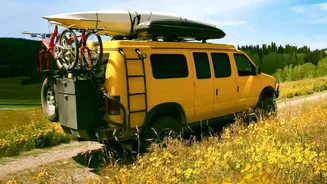
Before you chase the Himalayan sunrise, a little preparation is crucial. The winter months, from October to April, generally offer the best conditions with clear skies, though higher altitudes can be extremely cold. Ensure your vehicle, preferably an SUV
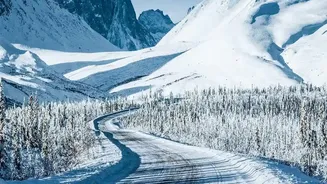
or a car with high ground clearance, is fully serviced, especially the brakes and tyres. For states like Arunachal Pradesh and Nagaland, an Inner Line Permit (ILP) is mandatory for Indian citizens, so apply for it online well in advance. Always carry cash, as ATMs are scarce outside major towns, and pack layered warm clothing. Most importantly, start your driving days early to maximize daylight and check local road conditions, as weather can be unpredictable.
The Journey to Mechuka, Arunachal Pradesh
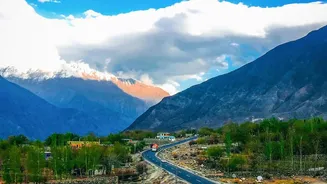
Often called the 'Forbidden Valley', Mechuka in the Shi-Yomi district is the definition of a rewarding drive. The journey is an adventure in itself, typically starting from Aalo (Along). The approximately 180 km drive can take 7-10 hours, traversing a mix of smooth tarmac and challenging, unpaved sections that wind alongside the vibrant Siyom River. Winter is a magical time to visit, with crisp air, snow-dusted peaks, and fewer tourists. From December to February, you might even witness snowfall, which turns the valley into a pristine white paradise. A high-clearance vehicle is strongly recommended for this route due to rough patches and potential icy conditions. The payoff is a serene valley with ancient monasteries, traditional wooden houses, and a peacefulness that feels worlds away from anywhere.
The Ziro Valley Circuit, Arunachal Pradesh
While famous for its music festival, Ziro Valley offers a completely different, quieter charm in winter. Nominated as a UNESCO World Heritage site for its unique Apatani cultural landscape, the valley is a photographer's dream of paddy fields, pine groves, and traditional villages. The drive from Guwahati is long (around 8-10 hours) but scenic. During winter (December to February), the rice fields turn a golden-brown, the mornings are misty, and the days are blessed with clear skies and pleasant temperatures, though nights are cold. This season is ideal for those seeking solitude and a slow, immersive cultural experience without the bustling crowds of peak season. The roads to Ziro are generally well-maintained, making it one of the more accessible 'offbeat' destinations.
The West Sikkim Heritage Loop
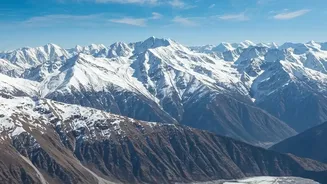
For those seeking spectacular Kanchenjunga views without the crowds of North Sikkim, a driving loop through West Sikkim is perfect. This circuit connects Pelling, the historic first capital Yuksom, and the sacred Khecheopalri Lake. Unlike the more permit-heavy northern regions, the main attractions in West Sikkim don't require special permits for Indian tourists. The drive, which can be started directly from NJP/Bagdogra, winds through lush hills and offers stunning Himalayan vistas. October to December provides the clearest mountain views. Base yourself in Pelling and take day trips to the Rabdentse Ruins, Pemayangtse Monastery, and Yuksom. This route combines rich history, serene spirituality, and some of the most accessible and magnificent mountain scenery in the state.
The Road to Dzukou Valley, Nagaland
While not a drive-in destination, the road trip to the Dzukou Valley trailhead is an adventure that leads to one of the Northeast's most iconic landscapes. Straddling the border of Nagaland and Manipur, the valley is a rolling expanse of green hills famous for its seasonal flowers. The journey involves driving from Kohima to the villages of Viswema or Jakhama, which serve as the starting points for the trek. The drive itself is scenic, but the real prize lies at the end of the trail. In early winter (December), the weather is often dry and clear, with warm days and cold nights, offering dramatic, bare landscapes. The trek from the Viswema route is the most popular and manageable for beginners. It’s a route for the true adventurer looking to combine a thrilling drive with an unforgettable high-altitude trek.