
The Tyranny of the Rocket Equation
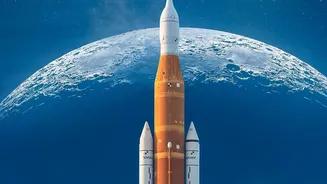
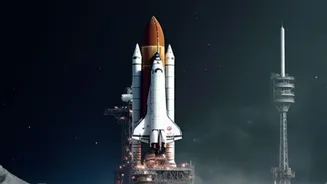
Space exploration is fundamentally constrained by weight. Every kilogram of supplies, equipment, or astronauts launched from Earth requires a tremendous amount of fuel. This reality, often called the tyranny of the rocket equation, makes long-duration
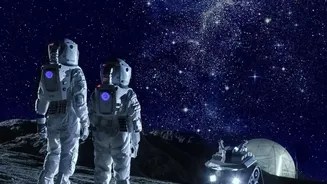
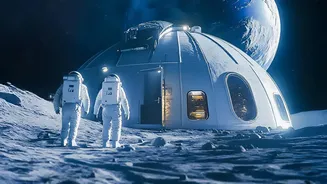
missions incredibly expensive and complex. To build a sustainable base on the Moon, like the planned Artemis Base Camp, NASA can't afford to ship everything from home, especially not heavy resources like water and rocket propellant. The solution is to find what they need on-site, a practice known as In-Situ Resource Utilization, or ISRU.
A Frozen Treasure at the South Pole
For decades, scientists theorized that water ice could exist on the Moon. While most of the lunar surface is baked by the Sun, the poles feature deep craters that are permanently shadowed. These "cold traps" have remained dark and frozen for billions of years, allowing water ice delivered by comets and asteroids to accumulate. Orbital missions have detected strong evidence of this ice, particularly at the lunar South Pole, making it the prime location for the Artemis missions. This isn't just about finding water for astronauts to drink; it's about tapping into a resource that can power the entire lunar enterprise.
From Ice to Rocket Fuel
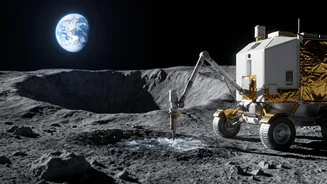
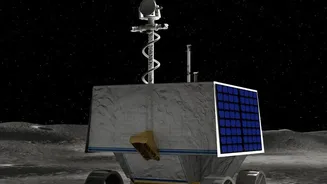
The plan for sustainable energy on the Moon hinges on a simple chemical process: electrolysis. First, robotic rovers and mining equipment will extract the water ice from the lunar soil, or regolith. This might involve drilling into the surface and heating the material to release water vapor, which is then captured and condensed back into liquid water. Once purified, the water (H2O) is subjected to electrolysis, where an electric current splits the water molecules into their constituent elements: hydrogen and oxygen. Conveniently, liquid hydrogen (LH2) and liquid oxygen (LOX) are two of the most potent and widely used components of modern rocket propellant.
Powering a Lunar Economy
By producing rocket fuel on the Moon, NASA can fundamentally change the economics of space travel. A lunar base would no longer be just a destination but a crucial logistics hub. Landers arriving from Earth wouldn't need to carry fuel for the return journey, allowing them to transport more scientific equipment or supplies instead. Rockets could refuel at the Artemis Base Camp before embarking on longer journeys, such as missions to Mars. This capability transforms the Moon from a barren rock into a strategic outpost—a cosmic gas station that makes the rest of the solar system more accessible. The energy is "sustainable" in the sense that it is generated locally for ongoing use, drastically reducing the dependency on expensive resupply missions from Earth.