
The Backbone of the Indian Plate
The foundation of the Indian diet remains consistent and deeply rooted in tradition. For the vast majority, 'routine' means a comforting plate of staples that are both affordable and culturally significant. Foods like rice, wheat (in the form of roti),
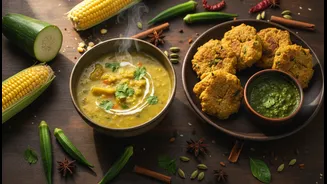
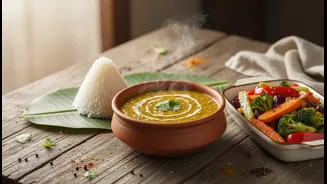
a variety of dals (lentils), and seasonal vegetables form the daily trifecta in households across the country. These aren't just foods; they are the rhythm of daily life, providing essential carbohydrates, protein, and fibre. A typical meal often includes dal, rice or roti, a simple vegetable preparation (sabzi), and perhaps a side of curd or salad. This combination, balanced for generations, ensures a mix of essential nutrients without needing complex dietary rules.
Reserved for Celebration and Special Days
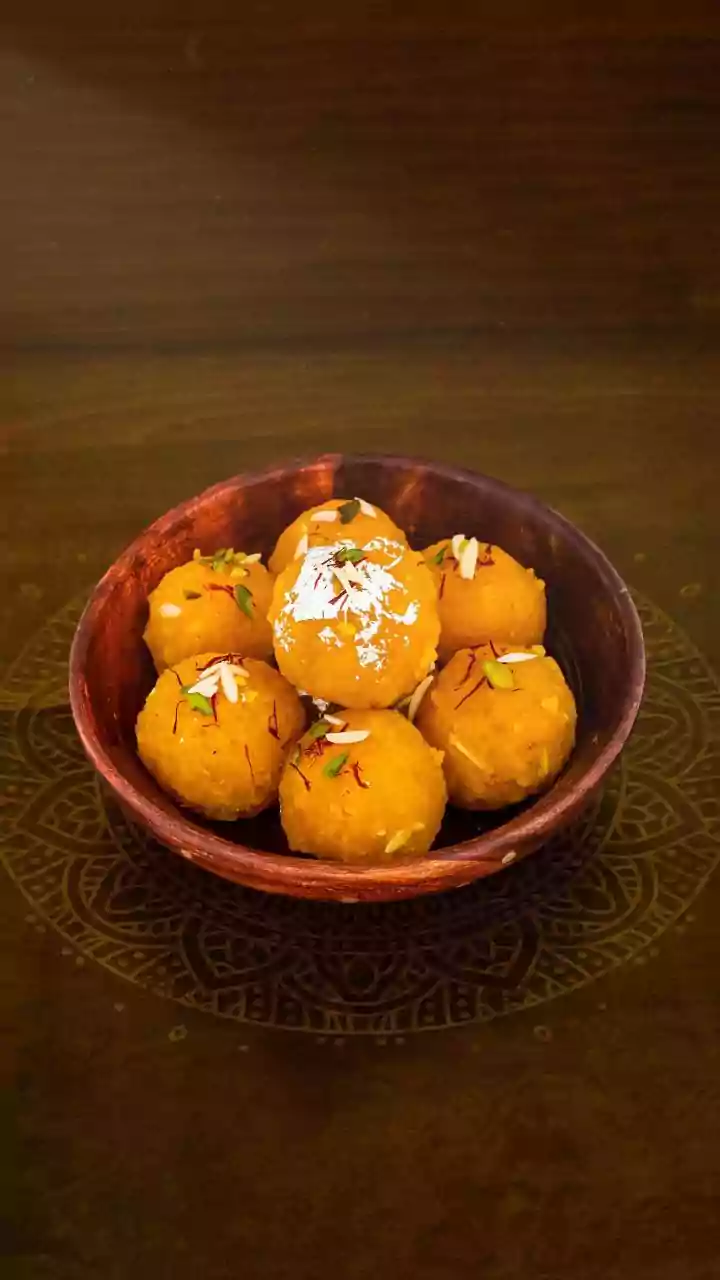
On the other end of the spectrum are the 'occasional' foods—those reserved for festivals, weddings, weekends, or when guests come over. These dishes are often richer, more complex to prepare, and serve as a symbol of celebration and hospitality. Think of elaborate biryanis, creamy dal makhani, rich paneer preparations like Shahi Paneer, and decadent desserts such as Gulab Jamun or Gajar ka Halwa. These foods are not just about flavour; they are about creating memories and marking an event as special. Their 'occasional' status is part of their charm, making them a treat to look forward to rather than a daily expectation.
The Blurring Lines
Interestingly, long-term tracking shows the lines between 'routine' and 'occasional' are blurring, driven by rising incomes, urbanisation, and changing lifestyles. Foods once considered occasional are making more frequent appearances. Dining out or ordering in, once a monthly affair, is now a weekly or even more frequent habit for many urban families. Similarly, processed and packaged foods—from instant noodles to biscuits and snacks—have moved from the occasional treat shelf into the daily grocery basket. This shift is driven by convenience and increased availability, as neighbourhood stores now stock the same branded snacks as large city supermarkets. This transition reflects a broader 'nutrition transition' where traditional diets are being supplemented or replaced by more processed, convenient options.
Why We Categorise Our Foods
The way we mentally sort food into these categories is influenced by a mix of culture, economics, and health consciousness. Traditionally, routine foods were those that were locally grown, seasonal, and affordable. Occasional foods were often those that required expensive ingredients like ghee, sugar, or specific meats. Today, economic factors still play a role, but the definition of 'expensive' has shifted. For some, it may mean organic produce or imported health foods like quinoa. Furthermore, a growing awareness of chronic lifestyle diseases is causing many to reassess their daily food habits. This has led to a conscious effort in some households to reduce the intake of ultra-processed foods and focus more on whole, home-cooked meals, reinforcing the value of the traditional 'routine' plate.
What's On Your Plate?
Understanding these patterns isn't about labelling foods as 'good' or 'bad'. Instead, it’s about awareness. Take a moment to consider your own eating habits. Are your 'occasional' treats becoming a little too routine? Is your daily plate varied enough, or are you stuck in a rut with the same three vegetables? Simple tracking, not for obsessive counting but for pattern recognition, can be revealing. It can highlight a reliance on sugary drinks, a lack of protein, or frequent late-night snacking. The goal is consistency over perfection. Enjoying a samosa or a piece of cake is part of a balanced life; the key is ensuring that the foundation of your diet remains the nourishing, routine staples that have sustained generations.