





The Age of Iron and Intensity
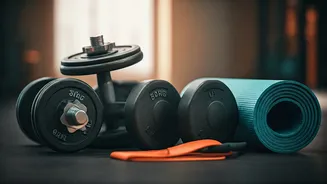
To understand where Indian fitness is going, you have to know where it’s been. For the last two decades, urban India’s fitness landscape was dominated by two extremes. On one end, you had the rise of the bodybuilding gym, filled with men aspiring to the chiseled
physiques of Bollywood action heroes. It was a world of heavy iron, protein shakes, and a culture that measured progress in biceps circumference. On the other end, high-intensity trends imported from the West, like CrossFit and grueling boot camps, found a foothold among the growing middle class. The goal was to push your body to its absolute limit. Fitness was performative, competitive, and often, a recipe for burnout and injury. It was about conquering a workout, not collaborating with your body. This aggressive approach mirrored the “hustle culture” narrative of a rapidly growing economy: go harder, do more, and rest later.
Defining the 'Lazy-Good' Shift
The term “lazy-good” is, of course, a bit of a misnomer. This new wave isn’t about sloth; it's about intelligence. It represents a fundamental shift from viewing exercise as punishment to seeing it as a form of self-care. The core idea is to prioritize consistency over intensity and to integrate physical health with mental well-being. This philosophy champions low-impact activities that are kinder to the joints, require minimal equipment, and can be sustained over a lifetime, not just for a few frantic months before a wedding or vacation. It’s a direct response to the exhaustion of modern life, acknowledging that most people don't have the time, energy, or desire to destroy themselves at the gym every day. Instead of chasing an aesthetic ideal, the goal is to feel good, move well, and build a foundation for long-term health.
The Simple Power of a Walk
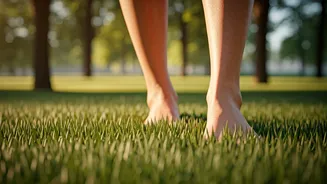
The poster child for the “lazy-good” movement is the humble walk. Once dismissed as not being a “real” workout, walking has been reclaimed and rebranded as a cornerstone of modern wellness in India. The pandemic played a huge role, forcing people out of gyms and into their own neighborhoods. What started as a necessity has become a cherished ritual. Across cities like Mumbai, Delhi, and Bangalore, walking clubs have exploded in popularity. They are social, accessible, and democratic—open to all ages and fitness levels. People aren’t just tracking steps; they’re building communities. Influencers and fitness apps now celebrate the “10k steps a day” goal, framing it not as a grueling task but as an achievable, meditative practice. It’s the perfect “lazy-good” activity: it costs nothing, reduces stress, improves cardiovascular health, and is nearly impossible to do wrong.
Functional Fitness Over Fantasy Physiques
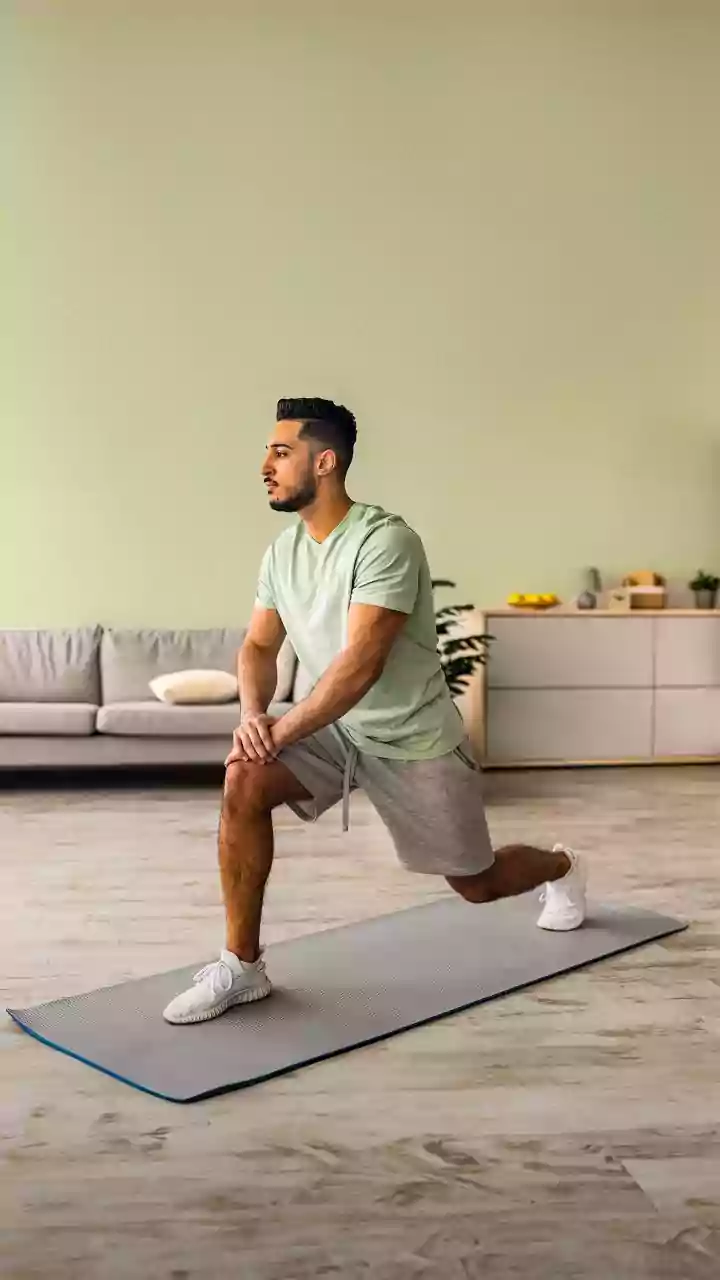
Beyond walking, this trend is reshaping what happens inside fitness studios. There’s a growing demand for functional fitness—exercises designed to strengthen the body for the movements of everyday life. Think less about bench-pressing a car and more about being able to carry your groceries, lift your toddler without tweaking your back, or sit at a desk all day without pain. Similarly, yoga and Pilates are being embraced in a more restorative, less performative way. The focus is shifting away from achieving pretzel-like, Instagram-worthy poses and toward breathwork, mobility, and mindfulness. This modern interpretation connects back to yoga’s spiritual roots while serving the very contemporary need to de-stress and quiet the mind. It’s fitness that serves your life, not a life that serves your fitness routine.
A Cultural Rejection of Burnout
This evolution in fitness isn’t happening in a vacuum. It’s part of a larger, global conversation about mental health and a rejection of burnout as a status symbol. For a generation of young Indians navigating intense professional competition and the pressures of hyper-connectivity, the “hustle harder” mantra has lost its appeal. Wellness is becoming the new aspiration. Choosing a 45-minute walk over a punishing HIIT class is no longer seen as taking the easy way out. It’s seen as the smarter, more compassionate choice. This redefinition of fitness is less about sculpting a perfect body and more about building a resilient, balanced self. It’s a quiet but powerful statement that long-term well-being is more valuable than short-term bragging rights.