


The Vision: An Indian Outpost in Space
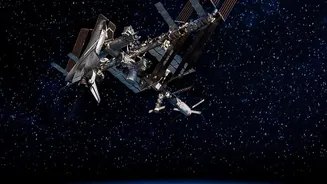
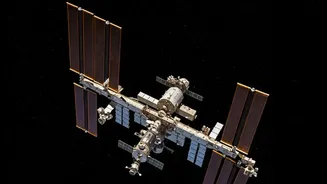
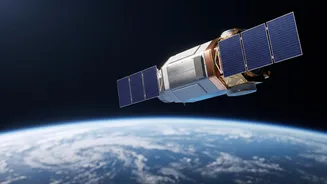
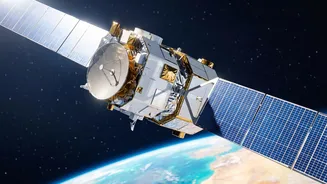
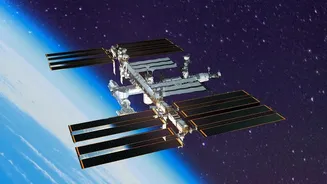
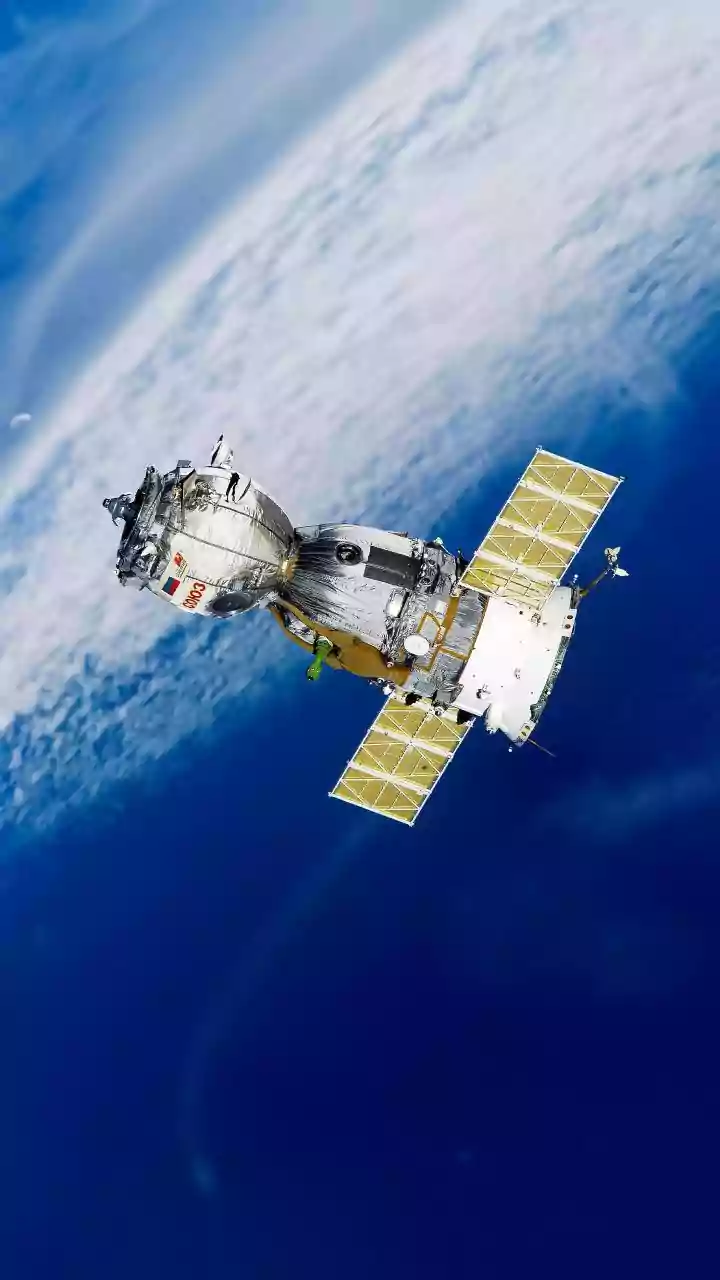
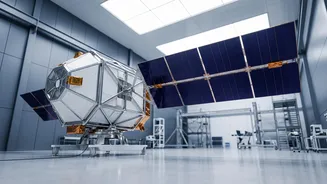
India is planning to establish the Bharatiya Antariksha Station (BAS) by 2035, a monumental step that will place it in an elite group of nations with their own space stations. This modular station is expected to weigh around 52 tonnes and will orbit the Earth
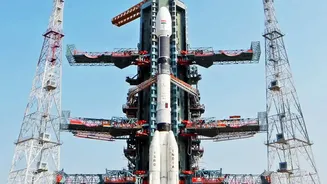
at an altitude of approximately 400-450 kilometres. The Indian Space Research Organisation (ISRO) has confirmed that the first module is planned for launch by 2028, serving as the foundational piece of this ambitious project. The station is designed to host two to four astronauts for long-duration missions lasting three to six months, providing a continuous human presence in space. This initiative is a natural progression of the Gaganyaan human spaceflight programme, which is developing the core technologies needed for sending Indian astronauts, or 'Gaganyatris', into orbit.
A Unique Laboratory in Microgravity
The single most significant advantage of a space station is the unique microgravity environment. On Earth, gravity influences every physical and biological process. By removing this variable, scientists can conduct experiments that are impossible on the ground. Research in microgravity can lead to breakthroughs in medicine, materials science, and fundamental physics. For India, having its own platform means setting its own research priorities and providing its scientists with unfettered access to this unique laboratory. It’s an opportunity to move from being a user of international facilities to an owner and operator, driving an indigenous research ecosystem.
Revolutionising Health and Medicine
Some of the most promising research opportunities aboard the BAS lie in human health. Studying the effects of long-duration spaceflight on astronauts, such as muscle atrophy and bone density loss, provides a fast-tracked model for understanding similar conditions on Earth, like osteoporosis and ageing-related muscle decline. ISRO is already participating in microgravity experiments on the International Space Station (ISS) to study human muscle regeneration. The BAS will allow for an expansion of this research, potentially leading to new pharmaceuticals and therapies. Furthermore, experiments in biotechnology and drug development can benefit from the microgravity environment, where protein crystals can grow larger and more perfectly, aiding in drug design.
Innovations in Materials and Manufacturing
The vacuum of space and the absence of gravity also create a perfect environment for developing advanced materials. Without gravity, it is possible to create purer metal alloys and flawless crystals for use in high-tech electronics. The BAS will serve as a testbed for in-space manufacturing, a field with immense commercial potential. These technologies, often called 'spin-offs', could find applications in various sectors back on Earth, from aerospace and automotive to construction. By fostering this innovation, the station will not only advance science but also boost India’s high-tech manufacturing capabilities and create new economic opportunities for private industry.
Beyond Research: Earth Observation and Technology
The Bharatiya Antariksha Station will also offer an enhanced platform for observing our own planet. From its orbital perch, it can provide high-resolution imagery for climate studies, resource monitoring, and disaster management with greater flexibility than robotic satellites. Moreover, the station is a crucial stepping stone for India's deeper space ambitions, including the goal of a crewed lunar mission by 2040. It will serve as an essential proving ground for the life support systems, docking technologies, and operational procedures necessary for sending humans further into the solar system. Building and operating the station will drive technological self-reliance and solidify India’s position as a major global space power.